
Sales agents ask you lots of questions when you’re beginning the process of selling your home to upsize, downsize or move interstate.
One of the more interesting ones is, “What do you love about your home?”
It’s a good idea to pause before you answer. Why? Because you know better than anyone else what makes your house or apartment special.
The agent will assess the property on its value and buyer appeal, but you’re best-placed to help them pitch its unique aspects.
Location is a good place to start when trying to formulate an answer. What is it about your home that makes it special? Is it near a good quality school, transport or shops and cafes?
Another angle might be the technology you’ve put into your home.
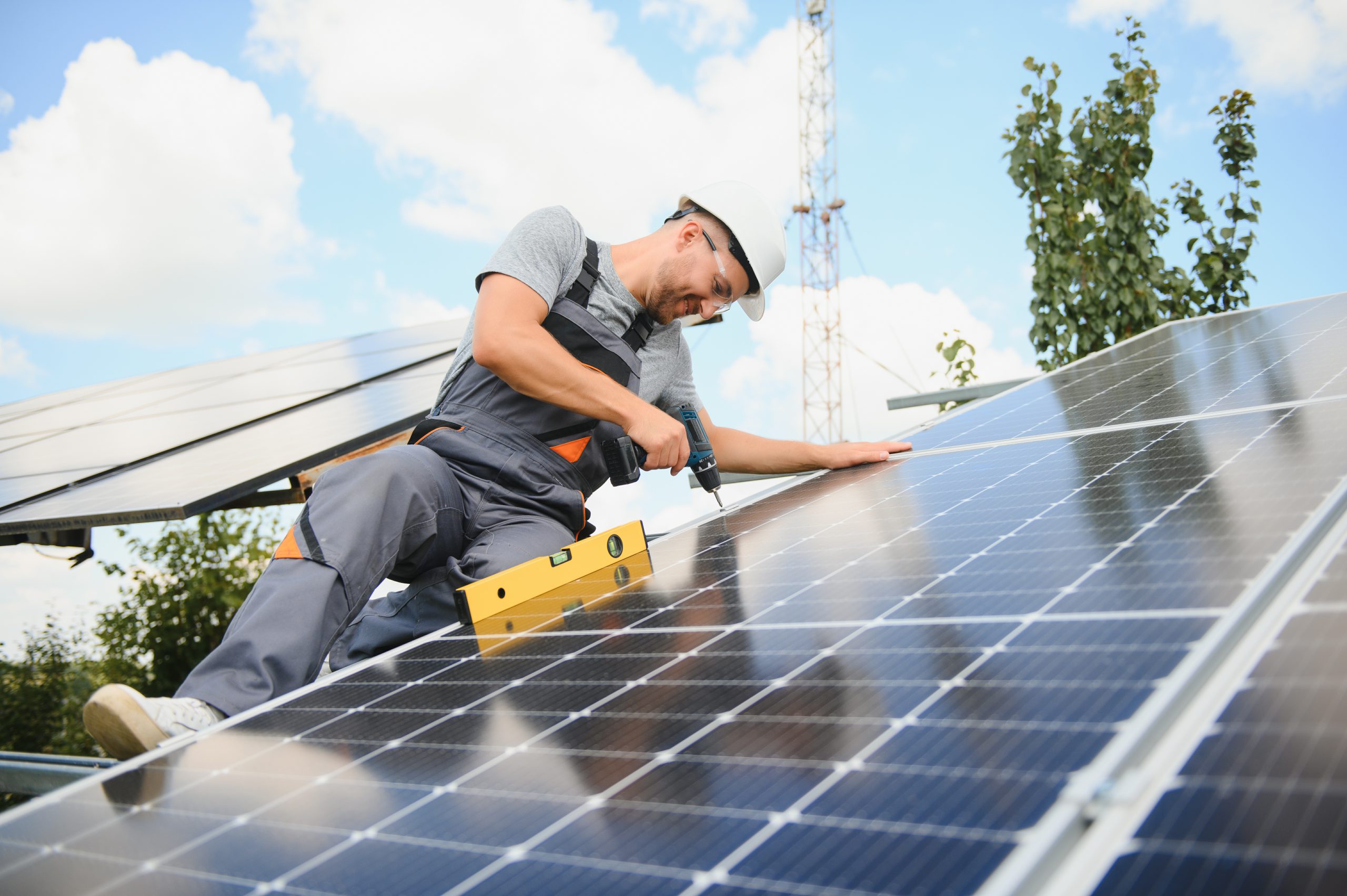
You may have sunk many thousands of dollars into solar panels to make your home energy efficient and cheaper to run.
That’s not a wasted investment – solar panels are a premium feature in the eyes of today’s buyer.
A new study called “Watt’s It Worth” has captured the true value of an investment in solar power.
The report comes from researcher Cotality, using the technology of mapping outfit Geoscape and CSIRO’s RapidRate, and it draws on data from more than six million homes.
Houses with solar systems have a 2.7% value premium, according to the Cotality report. It estimates the dollar value at more than $23,000.
If you’re able to add an official NatHERS Star rating to your home, this could increase that premium by another 1.3%, or $10,560 to the value based on average sale prices nationally.
The report said that across capital cities overall premiums could range from $3,749 to $32,946 depending on your location and the quality of the solar system installed.
Here are five more technologies that add value:
Integrated security system – A professionally installed system should include smart locks (keyless entry), video doorbells and security cameras (exterior and interior) that are monitored and controlled from a smartphone app.
Thermostats and climate control – Devices like Nest or Ecobee can learn an owner’s habits, optimise heating and cooling schedules, and they can be adjusted remotely. This is one of the most cost-effective smart home upgrades. It appeals to buyers by promising long-term savings on energy bills.
Smart lighting – An integrated system should allow remote control, dimming, scheduling and scene-setting for the main living areas, which improves ambiance and energy efficiency. This enhances the perceived luxury and modernity of any home.
Smart kitchen appliances – Key appliances should be wi-fi-enabled and energy-efficient. The most impactful include induction cooktops (safer, energy efficient) and high-end, integrated smart wall ovens and refrigerators. The kitchen is a primary area for resale value.
High-speed network: While not a “device,” a high-speed network is the crucial backbone to the internet in the property. It involves a professionally wired network (Ethernet in key rooms like home offices and entertainment areas) and a robust, modern wi-fi system (mesh network) that provides strong, seamless coverage throughout the house and yard.