
How hard can it be to walk through a property and determine whether it should be the next home of your dreams? It sounds straightforward, doesn’t it?
Perhaps not. Questions such as size and layout will dominate your thinking. Location will be another issue you’ll have on your mind. And, on top of this, perhaps you’ll be comparing the property to others that have made an impression on you.
All in all, there’s a lot to consider in the 20-minute window you’ll have to explore what might be your next home for 10 years or more.
Two elements play to your advantage in this situation: Firstly, your agent will be there to guide you. Realtors are experienced hands at this sort of work, and so their view of the property and how it matches to your needs is critical advice. Secondly, a building inspection will protect you from buying a property that is structurally unsound or unsuitable.
Even with these safety nets in place, there are red flags you must not ignore during a walkthrough unless you’re seeking a fixer-upper.
When inspecting a property, always consider not just the asking price but the possible future costs and maintenance requirements.
Here are seven red flags you should note as you walk through any property. Perhaps they’ll be enough to dissuade you from pursuing a purchase, or they’ll influence the amount you’re prepared to offer. Remember, everything is a negotiation.
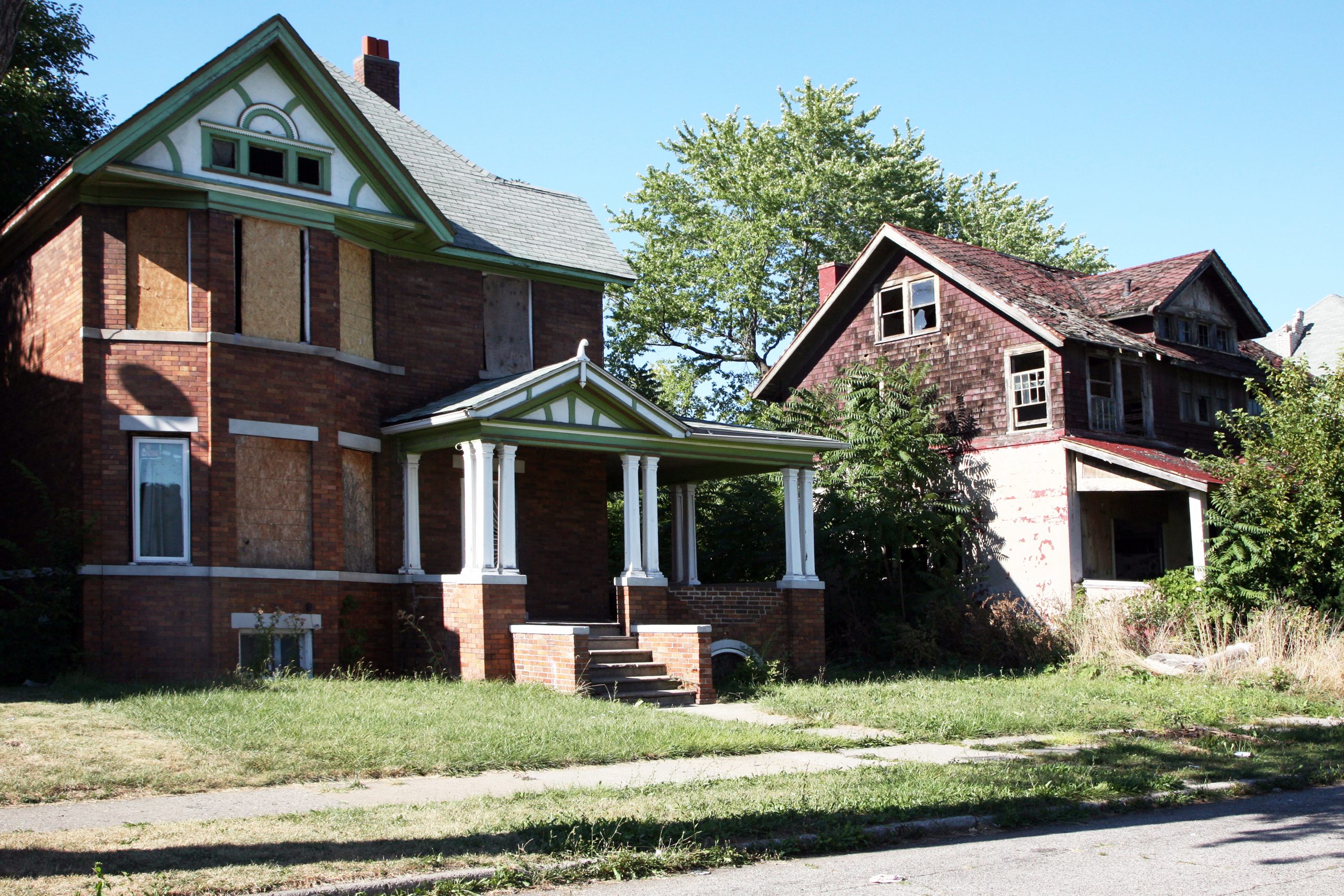
Peeling paint – Being confronted by an exterior of faded or peeling paint is unappealing to most buyers. Of all the issues you might see, this is one of the easiest to fix. However, it has a negative impact on buyers, who see it as a signal the home has not been well maintained.
Old roofing – Replacing a roof is not cheap, and as a buyer you should consider whether it might also be susceptible to leaking. If so, there could be significant structural damage caused by rainwater getting into the building. Many buyers will walk away because of this issue, while others will lower any offer significantly, but only after seeing a building inspection report.
Foundation issues – Always walk around the sides of the property and check for visible signs of foundation issues. These are expensive to fix and should dissuade any buyer not seeking a fixer-upper.
Loose stonework – This is another potential deal-breaker because it suggests a lack of maintenance. Again, the problem can be easily fixed. However, once a buyer is worried about structural integrity, it’s hard to pull them back from that concern.
Damaged sidings – If you see these, then you’re right to call out potential insulation and dampness issues. While a damaged siding may not mean there are structural issues, it should be a red flag. Wait for a building inspection before making any judgments, though.
Dents and dirt – Agents always talk to sellers about the importance of a good first impression. So, it’s no surprise that a garage with a damaged door is a buyer turn-off. Installing a replacement should be easy, but buyers tend to see it as a negative sign of what awaits them inside the property.
Neglected garden – If there’s anything that can bring down the vibe of a home but is easily fixed, it’s an unruly garden. Nevertheless, as a buyer, you’d be within your rights to question the upkeep of the property if the owner can’t be bothered to mow the lawn and pull out a few weeds.