
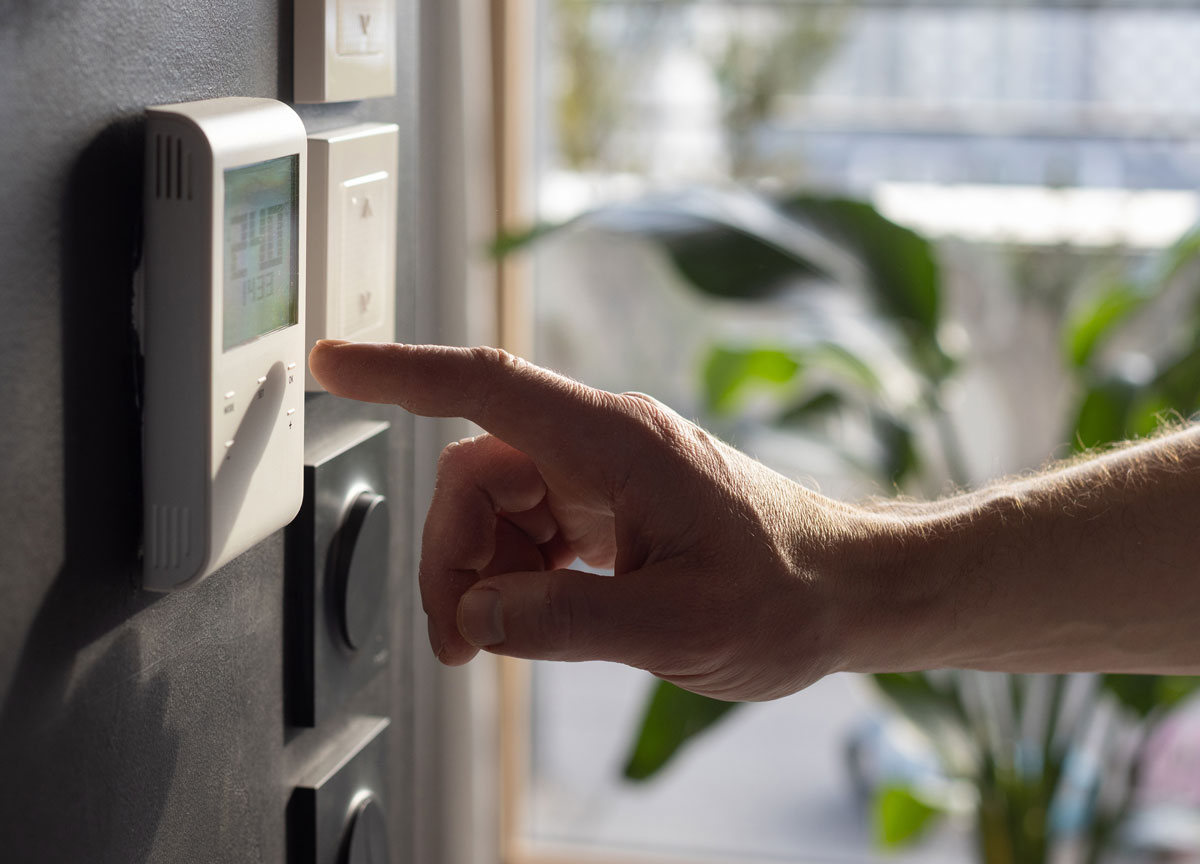
Late winter is one of the best times to see how a home really performs. When it’s cold outside, comfort issues are hard to ignore: chilly rooms, draughts around windows and doors, uneven temperatures between living areas, or a heat pump that seems to run constantly. That’s important because heating typically makes up one of the largest portions of household energy use during winter. Energy efficiency isn’t just about reducing electricity bills—it’s about creating a home that’s warmer, healthier, easier to maintain, and more enjoyable to live in.
It also matters to buyers more than many homeowners realise. Interest in warm, energy-efficient homes continues to grow, with features such as insulation, double glazing, solar panels, efficient heat pumps, and good ventilation becoming increasingly desirable. Unlike cosmetic updates, energy improvements deliver benefits people notice from the moment they walk through the front door.
What Buyers Notice First
Most buyers aren’t thinking about R-values or building science during an open home—they’re paying attention to how the home feels. A warm lounge but freezing bedrooms, cold draughts, condensation on windows, damp smells, outside noise, or rooms that never seem to reach a comfortable temperature all leave a lasting impression. Winter makes these issues particularly obvious because the home is working harder to stay warm.
There’s also a financial benefit. A home that feels comfortable without obvious effort suggests lower power bills and fewer maintenance concerns. Buyers increasingly recognise the value of homes that perform well year-round. While no single upgrade guarantees a higher sale price, evidence of improved comfort and lower running costs can help a property stand out in a competitive market.
The Upgrades That Tell the Strongest Story
The most valuable energy improvements are often the ones buyers never see. Good ceiling and underfloor insulation, sealing gaps around doors and windows, and reducing draughts remain some of the most cost-effective ways to improve comfort and lower heating costs. Many older homes still have limited insulation or were built before modern insulation standards, making these upgrades especially worthwhile.
The next layer is improving the home’s heating and building envelope. Modern heat pumps provide efficient heating in winter and cooling during summer while using significantly less electricity than older resistance heaters. Well-maintained ventilation systems, including balanced ventilation or heat recovery systems where installed, help manage moisture and improve indoor air quality. Double glazing—or quality secondary glazing where full replacement isn’t practical—helps reduce heat loss, improve comfort, and minimise outside noise.
Hot water also deserves attention. Replacing an ageing electric cylinder with a heat pump hot water system can significantly reduce electricity use over time. Solar panels continue to be one of the most recognisable energy upgrades, particularly when paired with efficient appliances and smart energy management.
Rather than focusing on individual products, think about how the whole home works together. A property with good insulation, reduced draughts, efficient heating, effective ventilation, and well-maintained systems will almost always feel more comfortable than one with a single headline upgrade but unresolved performance issues.
Proof Matters as Much as the Upgrade
Energy efficiency becomes a genuine selling point when buyers can see evidence of it.
Keep records of insulation upgrades, heat pump installations, double glazing, solar systems, hot water replacements, warranties, servicing, and maintenance. If you’ve had a home assessment, or another independent energy or performance assessment completed, include that documentation alongside the property’s information. These records help buyers understand that the improvements are more than cosmetic—they’re backed by evidence.
Think Like a Future Owner
The best energy upgrades are the ones you’d appreciate whether you’re selling next year or staying for decades.
A first-home buyer may value lower monthly power bills. Retirees often prioritise warmth, comfort, and low-maintenance living. Families appreciate homes where every bedroom stays warm on cold mornings and condensation is kept under control. Investors may focus on reduced operating costs, tenant appeal, and long-term durability.
Although buyers have different priorities, the underlying benefit is the same: an energy-efficient home is generally warmer, healthier, more predictable to own, and less expensive to run.
Rather than chasing the latest technology, start by looking at how your home performs in the climate. The most worthwhile improvements are the ones that solve real problems, reduce wasted energy, manage moisture effectively, and make everyday living more comfortable.
A Feature That Keeps Working After Winter Ends
A renovated kitchen creates a strong first impression. Fresh paint makes a home feel well cared for. But energy efficiency offers something different—it changes how the home performs every day of the year.
Late winter is one of the easiest times to experience those benefits firsthand. Warm rooms, fewer draughts, less condensation, quieter interiors, and consistent temperatures are all immediately noticeable when it’s cold outside. When those improvements are supported by clear documentation, buyers see more than a list of upgrades—they see a home that’s likely to be warm, economical to run, healthier to live in, and well prepared for every season. That’s what makes energy efficiency one of a home’s most valuable selling features without ever feeling like a sales pitch.
The information provided in this blog is for general informational purposes only and is not intended as tax, legal, or financial advice. We are not tax professionals. Readers should consult their own tax advisor or accountant for guidance specific to their circumstances.