
Winter has a way of revealing what a home does well—and where it struggles. A room that feels comfortable in autumn can become cold and damp by July, some areas may receive little direct sunlight, and outdoor spaces can go largely unused if they lack protection from wind and rain. Winter comfort often depends on factors such as insulation, glazing, draught control, ventilation, sunlight access, and efficient heating.
The good news is that preparing a home for winter does not always require major renovations. Often, it starts with paying attention to patterns: where cold air enters, where warmth escapes, which rooms are difficult to heat, where condensation forms, and which spaces your household uses most. A home assessment can help identify comfort and efficiency issues and prioritise improvements.
Start With Insulation, Sunlight and Draught Control
Begin with the areas most affected by winter conditions: insulation, windows, and unwanted air leaks. Poorly insulated ceilings, walls and floors can allow valuable heat to escape, increasing heating costs and reducing comfort. While many homes have had insulation upgrades over recent years, older properties may still benefit from improvements.
Windows deserve particular attention. Older single-glazed windows can contribute significantly to heat loss, while poorly fitted frames may allow cold draughts indoors. If replacing windows is an option, consider double glazing or other thermally efficient solutions suitable for your region. Even without new windows, well-fitted curtains, thermal linings and pelmets can help retain heat and reduce energy use.
Draught stopping is one of the most cost-effective improvements a homeowner can make. Sealing gaps around doors, windows, extractor fans and other openings can noticeably improve comfort and lower heating bills.
Sunlight also plays an important role during winter. Open curtains and blinds on north-facing windows during the day to capture natural solar warmth, then close them in the evening to help keep that heat indoors.
Make Outdoor Areas Comfortable Year-Round
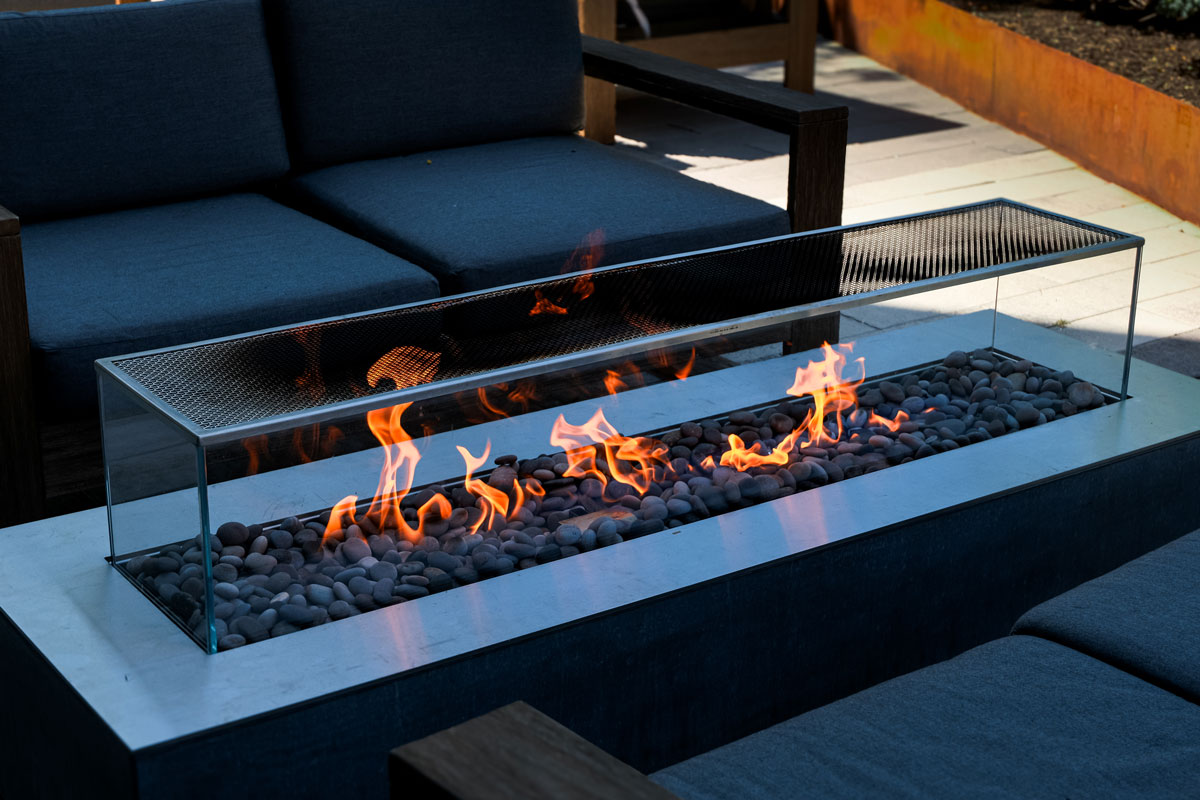
A home often feels more winter-ready when outdoor areas remain usable despite cooler weather. Covered decks, sheltered patios and practical entryways can make outdoor living more enjoyable throughout the season.
Shelter is key. Pergolas with weather protection, covered outdoor areas and strategically placed screening can help reduce exposure to cold winds and rain. Deciduous trees can be particularly useful, allowing winter sun to reach the home while providing shade during summer.
For households that enjoy outdoor cooking and entertaining, safety remains important. Use barbecues and outdoor heaters according to manufacturer instructions, ensure adequate ventilation, and regularly inspect equipment for signs of wear.
Create a More Efficient and Manageable Garden
A winter-friendly home is not only comfortable—it is manageable. Many households can improve water efficiency and reduce maintenance by choosing plants suited to local conditions and designing outdoor spaces around how they are actually used.
Native plants and other low-maintenance species can provide year-round appeal while requiring less water and upkeep. Grouping plants with similar watering needs together can improve irrigation efficiency and support healthier growth.
Winter is also a good time to assess irrigation systems. Smart controllers and weather-responsive systems can adjust watering schedules based on local conditions, helping reduce water waste. Checking for leaks, blocked emitters and inefficient spray patterns can further improve performance.
Mulch is another simple but effective addition. It helps regulate soil temperature, suppress weeds and retain moisture, benefiting plants throughout the year.
Protect Comfort With Routine Maintenance
Some of the most effective winter improvements are also the simplest. Routine maintenance can improve comfort, reduce energy costs and support the long-term durability of your home.
Heating systems should be serviced regularly to ensure they operate safely and efficiently. Dirty filters and poorly maintained equipment can reduce performance and increase running costs. Heat pumps, wood burners, gas heaters and ducted systems all benefit from routine inspections and cleaning.
Roofs, gutters and downpipes should also be checked before periods of heavy rain. Clearing leaves and debris and addressing minor issues early can help prevent water damage and costly repairs.
Condensation is another common winter concern in homes. Improving ventilation in bathrooms, laundries and kitchens can help manage moisture and reduce the risk of mould growth. Using extractor fans and opening windows when conditions allow can make a noticeable difference.
Build in Safety and Flexibility
Winter comfort is closely tied to safety and accessibility. Good lighting, secure flooring, non-slip surfaces in wet areas and sturdy handrails can help reduce everyday hazards, particularly during periods of rain and shorter daylight hours.
Indoor air quality also deserves attention. While keeping a home warm often means closing windows and doors, it is still important to ventilate regularly when outdoor conditions allow. Managing moisture, reducing indoor pollution sources and maintaining heating systems can help create a healthier indoor environment.
Portable air purifiers and upgraded filtration systems may provide additional support, although no single solution removes all indoor pollutants.
A Home That Feels Ready for Winter
A home prepared for winter is not necessarily bigger, newer or more expensive. It is a home that retains warmth efficiently, captures natural sunlight, manages moisture effectively and remains comfortable when temperatures drop.
Small improvements—such as sealing draughts, upgrading insulation, improving window coverings, maintaining heating systems and creating more practical outdoor spaces—can make a home feel more comfortable today while supporting energy efficiency, durability and year-round liveability for years to come.