
It seems hard to believe, but footage of aspiring tenants lining the streets to inspect rental properties is back on the TV news.
Rental vacancies nationally are back under 2%, and rents are rising as a consequence. And while this is agony for young people seeking a home, investors will recognise the opportunity.
Where to place your next investment, however, is subject to research, analysis and no small amount of intuition.
As an investor, you should be seeking a diverse portfolio, so all regional centres and state capital cities are worthy of scrutiny.
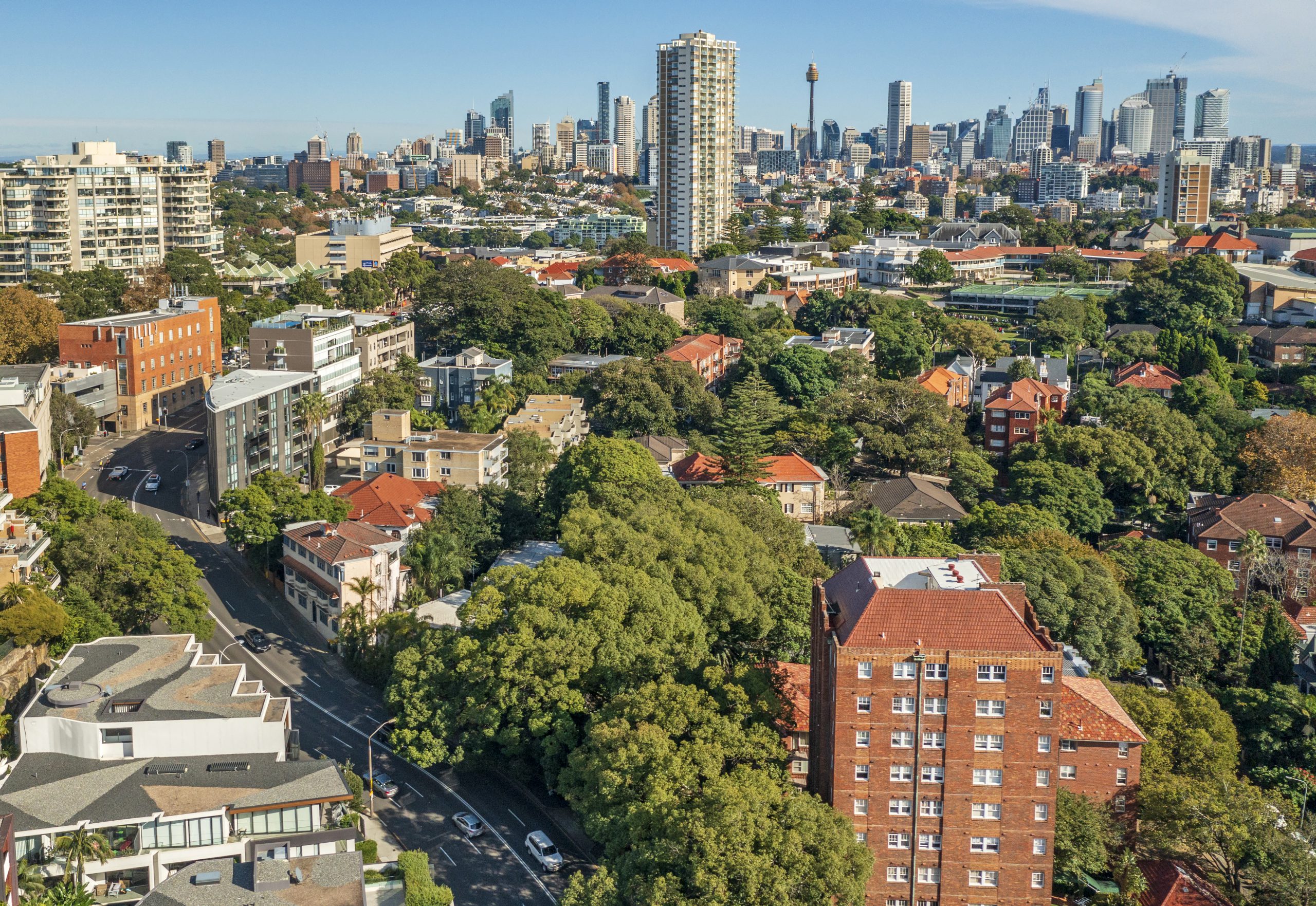
The latest Domain Rent Report says there’s a growing disparity between state capitals. Melbourne appears to have the cheapest apartment with an average $580 asking price. That’s surprising but no one will be shocked by the most expensive capital – Sydney with an $800 a week average. That’s an annual increase of 3.9%.
The next priciest city, Brisbane, saw the largest rent jump in the past three months and a 6.3% year-on-year rise. Housing rents are also growing fastest quarterly at 3.1% in Brisbane, where the average payment is $670 – a 6.7% year-on-year rise.
There have been annual increases of 4.5% in Perth and 2.9% in Canberra and Darwin. However, Melbourne is below its September 2024 high, edging 1.7% lower over the past 12 months. Hobart has just set its new record median of $600 a week.
For units, Sydney’s average price is $750 a week, up 7.1% year-on-year. Brisbane’s unit rents have risen 8.3% to $650. That’s the same average as Perth’s, which has registered an annual growth of 4.8%.
Melbourne’s apartment rents have risen 5.5% over the past 12 months. Rent costs average $575 in Adelaide, up 7.1% year-on-year.
Domain’s chief of research and economics, Dr Nicola Powell, said: “We are now seeing much more fragmentation in rents both between cities and between houses and units.”
In October of last year, researcher Cotality reported the average rent was $702 a week in Australia’s capital cities, which was 25% above the five-year average. Regional rents, while less expensive, were still not cheap. The average home was renting for just under $600-a-week ($591).
Cotality’s “Quarterly Rental Report” stated the national vacancy rate at record low of 1.47% with Adelaide (0.9%) and Perth (1.6%) being the tightest rental markets. If you go back to pre-Covid times, the average vacancy rate was 3.3%.
In Domain’s report, it highlighted an emerging trend that is dominant in London, where rooms rather than properties or share-houses are rented.
It says potential opportunities exist for investors in buying properties, demolishing them and then rebuilding so each room as a bathroom, and therefore can be rented individually.
Domain quotes the director of business growth at Melbourne Real Estate, Steve Fitzsimon, as saying: “A worrying trend we’re now seeing (is) investors being funnelled into knocking down houses and rebuilding them into rooming houses with seven bedrooms and seven bathrooms so rooms can be let individually.”