
Why This Matters
Late summer shows a home as it really performs. When warm weather lingers, comfort issues become difficult to hide: stuffy rooms, hot upper floors, drafty windows, or an air conditioning system working harder than it should. Those everyday experiences matter because space heating, cooling, and water heating account for a large share of household energy use. Efficiency isn’t just about lowering utility bills — it’s about comfort, maintenance, and how enjoyable a home is to live in year-round.
It also matters to buyers more than many homeowners realize. Energy efficiency has become an increasingly important consideration for homebuyers, particularly as utility costs have risen and extreme weather has become more common. Features like energy-efficient windows and doors, upgraded insulation, and high-performance heating systems appeal because they offer practical, long-term value rather than cosmetic appeal.
What Buyers Notice First
Most buyers aren’t thinking about insulation values or air sealing when they walk through a home — they’re paying attention to how it feels. A cool main floor but overheated bedrooms upstairs, traffic noise, uneven temperatures between rooms, or an air conditioner that seems to run constantly all leave an impression. Common issues such as hot or cold spots, drafts, excess dust, window condensation, or unusual HVAC noises are often easiest to notice during the warmer months, when cooling systems are under their greatest demand.
There’s a financial side as well. A home that stays comfortable without obvious strain suggests lower operating costs and fewer maintenance concerns in the years ahead. Homes with recognized energy-performance certifications often attract additional buyer interest because they provide independent evidence of a home’s efficiency. While no certification guarantees a higher selling price, documented performance can make a home more competitive in the marketplace.
The Upgrades That Tell the Strongest Story
The most valuable efficiency improvements are often the least visible. Air sealing and insulation remain among the most cost-effective ways to improve comfort and reduce energy consumption. In many homes—particularly older ones—adding insulation to attics, basement walls, crawl spaces, or exposed floors can make a noticeable difference in both summer and winter comfort. Understanding insulation’s R-value is useful here: higher R-values provide greater resistance to heat flow, helping keep homes cooler in summer and warmer during the long heating season.
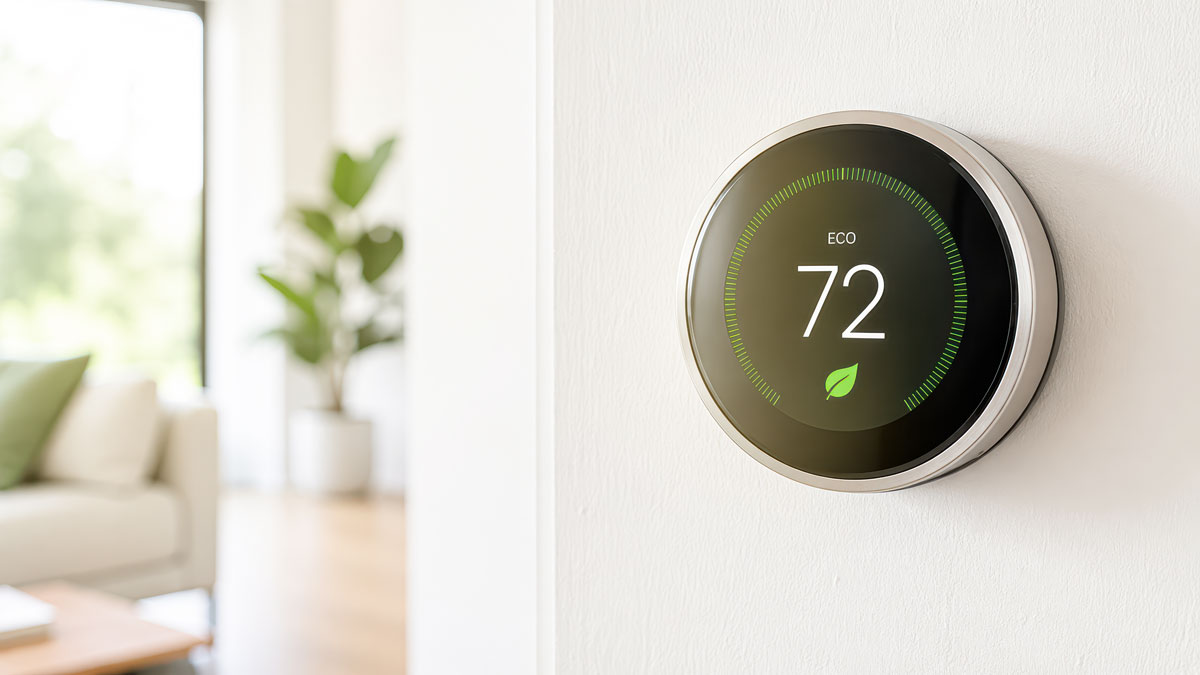
The next layer is mechanical equipment and the building envelope. Sealing and insulating ductwork can improve heating and cooling performance, particularly where ducts pass through unconditioned spaces such as garages, attics, or unfinished basements. Energy-efficient windows reduce drafts, improve comfort, and help limit heat gain during summer while reducing heat loss in winter. Smart thermostats can also help optimize heating and cooling schedules, reducing unnecessary energy use without sacrificing comfort.
Water heating deserves attention as well. It represents a significant portion of household energy consumption, and high-efficiency water heaters—including heat pump water heaters where suitable—can reduce operating costs while providing reliable performance.
A useful way to think about efficiency is in layers rather than individual products. A home with a well-insulated attic, properly sealed air leaks, efficient windows, and a well-maintained heating and cooling system will generally outperform one with a single high-profile upgrade but unresolved comfort issues.
Proof Matters as Much as the Upgrade
Efficiency becomes much more valuable when it’s documented. A home energy evaluation conducted by a licensed energy advisor, identifies where a home uses energy, highlights opportunities for improvement, and provides an objective measure of performance.
Supporting documentation helps buyers understand the home’s story. An energy report, utility bills showing consistent energy use, receipts for insulation or HVAC improvements, equipment warranties, and product certifications all help demonstrate that efficiency improvements are more than marketing claims.
Think Like a Future Owner
The best energy upgrades are the ones that improve daily life whether or not you ever decide to sell. A first-time buyer may appreciate predictable monthly utility costs. Retirees may value year-round comfort and lower maintenance. Investors often focus on operating expenses and durability. Families may simply want every room to remain comfortable throughout the day.
Those priorities may differ, but the underlying benefit is the same: an efficient home is easier and more affordable to own.
Rather than chasing the latest trend, focus on improvements that suit your home’s age, construction, and local climate. The best upgrades reduce wasted energy, improve comfort in every season, and solve the issues your home already has.
A Feature That Keeps Working After the Season Ends
A renovated kitchen may catch a buyer’s eye, and fresh paint can make a home feel well cared for. Energy efficiency offers something different: it changes how a home performs every day. During late summer, cooling demand makes comfort, noise, air leaks, and HVAC performance especially noticeable. When those improvements are supported by clear documentation, buyers see more than a list of upgrades—they see a home that’s likely to be more comfortable, less expensive to operate, and better prepared for the changing seasons. That’s what makes energy efficiency one of the strongest selling features a home can have, without ever feeling like a sales pitch.
The information provided in this blog is for general informational purposes only and is not intended as tax, legal, or financial advice. We are not tax professionals. Readers should consult their own tax advisor or accountant for guidance specific to their circumstances.