
As we embrace the cold, dark heart of winter, it’s important we don’t forget to take preventative measures to protect our homes from the elements.
If you’ve been ignoring the plummeting temperatures and the stress they put on your home, you may find your moderate maintenance costs transform into repair bills of thousands of dollars.
I’d strongly recommend that if freezing weather is an issue for you, don’t avoid taking preventative measures. Usually, it’s only an hour or two of your time.
If you’re selling at this time of year – and it’s not a bad time to be on the market – it’s vital you avoid issues that would prevent you from confidently showing your home to prospective buyers.
A burst water pipe with towels and blankets on the floor to soak up the water is definitely not a good look. Folks would understand, but they’d probably not pursue a purchase.
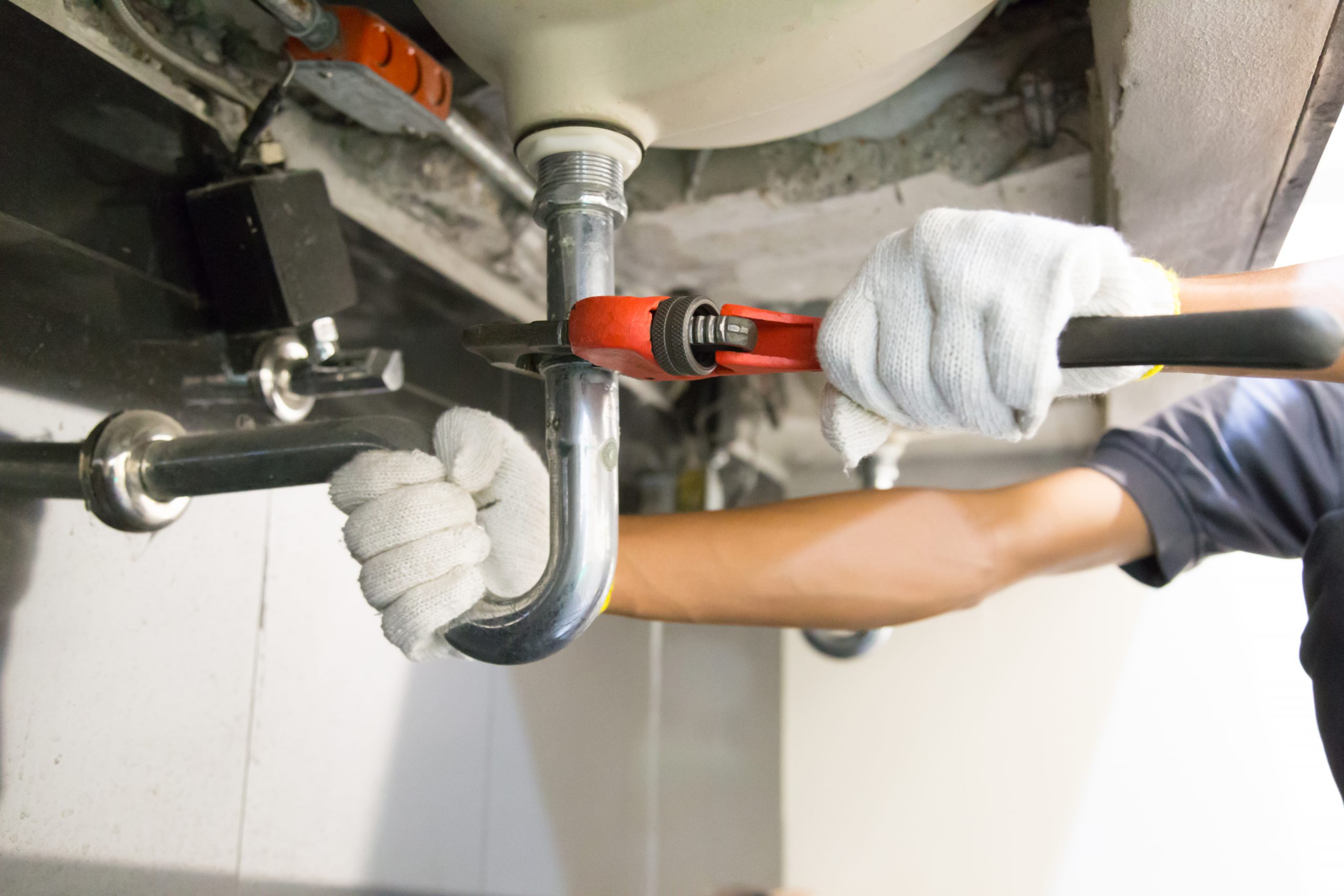
Burst pipes are caused by water freezing, expanding and then splitting a pipe open. That’s possibly the No.1 problem folks face once winter sets in.
The cost of repair is often not restricted to the broken pipe but the water damage that occurs when the frozen water thaws. You never find out a pipe has split until water damage becomes evident.
Below, I’ve outlined some of the common challenges when the weather turns and how to prevent them.
If you haven’t made an attempt to winterize your home already, I hope these hints and tips are helpful.
Catch-Up – It’s never too late to take preventative measures. Focusing on your plumbing should be your priority. Burst pipes and split drainage hoses are preventable if you drain them.
Locate main valve: Know the location and operation of the main water shut-off valve. If a pipe bursts, the first and most important step is to shut off the water to the property to prevent catastrophic water damage.
Interior pipes – Pipes often burst in unheated areas, such as the basement, crawl space or inside exterior walls. So, keep your thermostat set to a minimum 55f. Open kitchen and bathroom cabinet doors during deep freezes to allow warm air to circulate around pipes under sinks. You can also keep taps running on super-cold nights to ensure the water in your pipes will not freeze.
Drainage lines – Shut off and drain exterior water lines. Winterize outdoor faucets, hose bibs and irrigation systems. By removing water from exterior water sources, such as a hot tub, you’ll keep them in good order.
Hose task – If you allow a hose to remain full of water, it can “back-freeze”, creating ice in pipes inside your home. So, disconnect the hose and drain it. You should then coil it and store it in your garage or shed.
Faucet focus – With the hose disconnected, the next task is to shut off the valve that supplies water to outdoor faucets. Then, turn on the faucet to clear the pipe. Many plumbers recommend leaving the faucets open to ensure residual water can expand safely when it freezes.
Insulation tip – For little more than $10, you can buy foam covers for exterior faucets, and these are designed to protect them from freezing in the coldest weather. So, if your draining strategy didn’t work as well as you thought, foam covers are a great back-up.
Shut-off valves – Some but not all homes have interior shut-off valves. They’re not expensive to install and will let you close off pipes in the kitchen and bathroom easily. These valves have a small bleeder cap or drain. Open these to clear the pipe.