
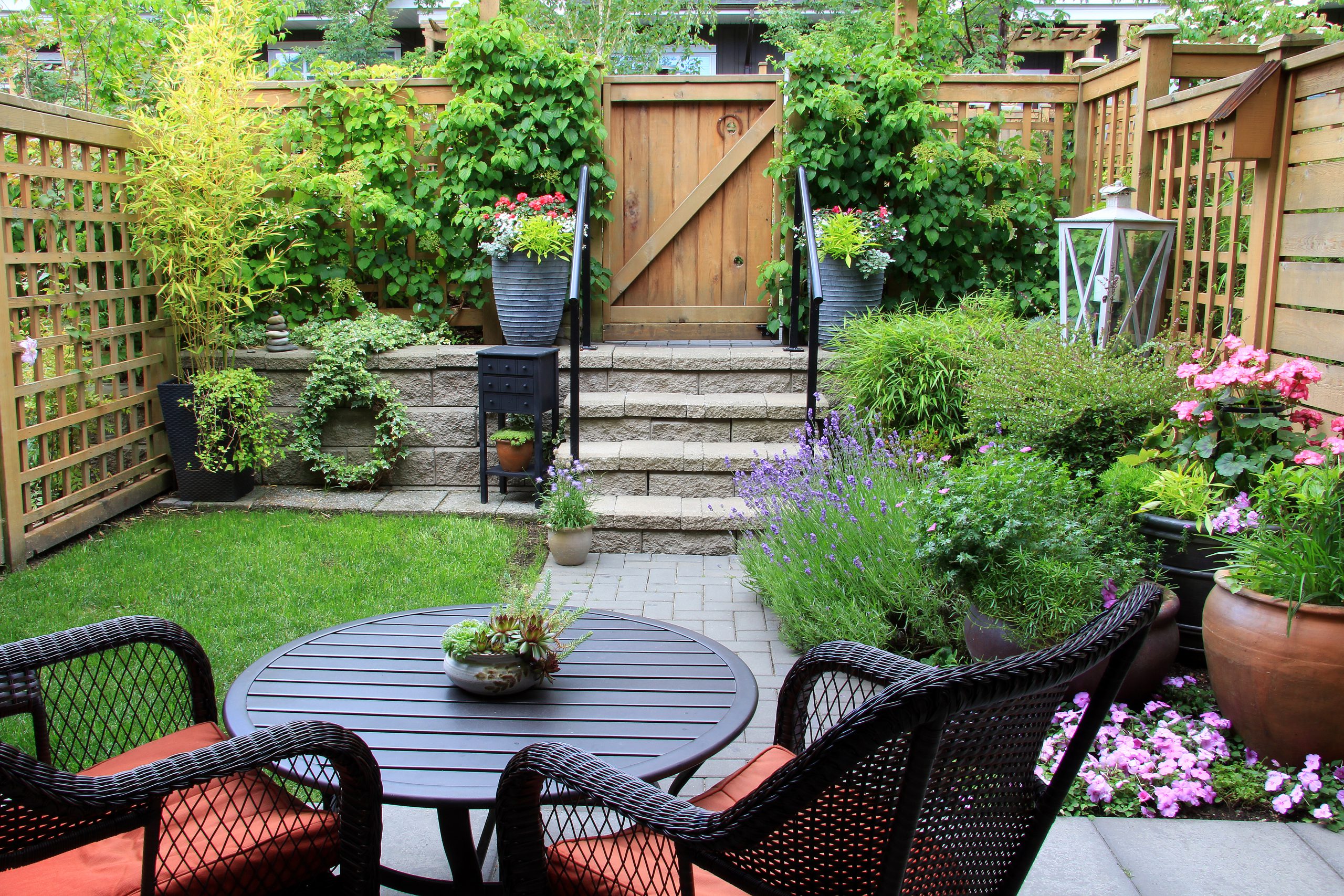
In this spring market, Australian property has become so competitive that it feels like the majority of owners in the mid-tier and luxury segments are investing in styling their homes to impress buyers.
Even an average four-bedroom family home can comfortably cost $8,000 or more to style. Of course, the majority of the cost is from renting the furniture over the four- to six-week period of your sales campaign.
While stylists will walk through your home to see how they can use furniture to maximise the space and present the full potential of the home, very few of them will dare look inside your shed.
If you’re spending cash to style your home, you don’t want to put it on the market with a shed that’s a byword for chaos.
Organising your shed – rather than styling it – is not so simple. There’ll be a bunch of tools, garden chemicals, old paint tins and goodness knows what else that need to be thrown out or organised properly.
If you’re in the camp that says “it’s not a mess because I know where everything is”, then you’re not cutting any ice with buyers. We recommend you embrace the process of styling and organise your shed.
Here are seven handy tips:
Safety first – Never leave chemicals within the reach of a small child. So if that’s even a remote possibility, please prioritise the “safety-first” approach. Poisons and paints should not be within reach of children.
Ventilation – Depending on what you’re storing in your shed, it may be important to ensure it has good ventilation. The odours of petrol from a lawn mower, old paint and some garden poisons can be noxious and unhealthy.
Zone approach – Even in a small shed, it helps to think in zones when trying to organise everything. For example, garden chemicals should sit together, and the tool boxes might all go under the workbench.
Maximise floor space – This is a great rule. You want to avoid the feeling of your shed being cluttered. Having plenty of room to move is essential. When selling, it will also provide prospective buyers with a sense of space and storage sufficiency.
Storage solutions – Buy peg boards and other storage devices to keep your tools neat and tidy, and within easy reach. Plastic containers are enormously helpful when storing tools, such as drills and electric sanders.
Let it go – This is the perfect opportunity to throw out everything you don’t need. This will create more space, leaving a good impression with prospective buyers.
Disposing of poisons – Never pour paints and poisons down the drain. Contact your local council and ask how you can dispose of them safely.