
Street appeal is often treated as a spring project: freshen up the garden, clean the windows, repaint the front door and tidy outdoor areas. October is an ideal time to tackle these jobs, but a home’s exterior should look good and perform well throughout the year.
Spring is also a useful time to assess exterior improvements because winter may have exposed problems that were less noticeable earlier. Heavy rain may have highlighted drainage issues, paths and decks may have become slippery, and gardens may need pruning, replanting or more structure. Longer daylight hours also make it easier to spot areas that need attention.
Whether you plan to stay in your home for years or eventually sell, thoughtful exterior updates can improve its appearance, safety, comfort and durability.
Start With What Protects the House
Before making cosmetic changes, inspect the features that protect your home from changing weather.
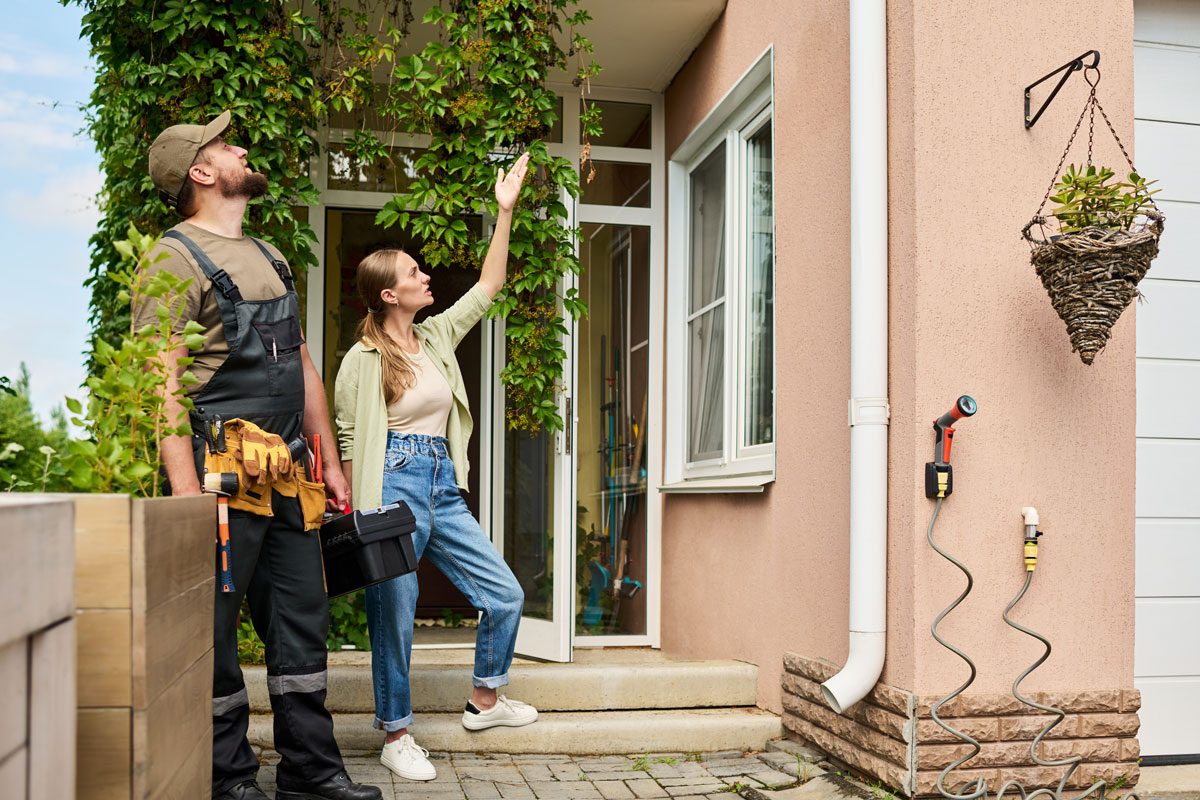
Check the roof, spouting, downpipes, cladding, fascia, windows, doors and exterior sealants or flashings. Cracked roof tiles, peeling paint, damaged seals, loose spouting or deteriorating cladding can allow moisture to enter and potentially cause more significant problems over time.
Pay particular attention to drainage after winter rain. Spouting and downpipes should direct water efficiently away from the house. Persistent ponding can contribute to erosion, dampness and moisture problems around foundations or piles.
These repairs may not provide the immediate visual impact of new landscaping or a freshly painted front door, but they create a strong foundation for other improvements.
Give the Entrance Year-Round Appeal
The front entrance naturally attracts attention, making it a smart place to focus renovation efforts.
If the front door is in good condition, a fresh coat of exterior paint may be enough to revive it. If it is warped, damaged, draughty or difficult to open and close, replacement may be worthwhile.
Small details also matter. House numbers, door hardware, letterboxes, exterior lights and doorbells all influence the overall impression. Coordinating finishes can make the entrance feel more polished without requiring a major renovation.
Aim for an entrance that feels welcoming throughout the year, even without seasonal decorations.
Improve Exterior Lighting
Outdoor lighting can improve both street appeal and safety. Walk around the property after dark and identify steps, paths, driveways, gates or entrances that are difficult to see. Well-positioned lighting around changes in level, side access, decks and outdoor entertaining areas can make the property easier and safer to use.
Instead of relying on one very bright fitting, consider several carefully placed lights. Entry lighting, pathway lights and subtle garden or architectural lighting can improve visibility while creating a warmer atmosphere.
Choose fittings that are proportionate to the doorway, garage, verandah, porch or exterior wall where they are installed, and make sure they are suitable for outdoor conditions.
Build a Garden That Works Beyond Spring
A garden does not need to flower all year to make a strong impression. Shape, texture and structure can keep landscaping attractive through every season.
Evergreen shrubs, native grasses, feature trees, stone edging, fencing and defined garden beds can help a property feel organised even when seasonal plants are not flowering. Native plants can also provide colour, texture and habitat for native birds and insects while often being well suited to local growing conditions.
Spring is a good time to review plant growth. Shrubs blocking windows, branches overhanging the roof or roots lifting paving may need pruning or professional attention.
Choose plants according to sunlight, soil conditions, rainfall, wind exposure, coastal conditions, frost risk and mature size. Plants suited to their location are generally easier to maintain and more resilient.
Inspect Paths, Steps, Decks and Driveways
Winter weather can take a toll on outdoor surfaces, so inspect concrete, brick, stone, pavers, asphalt and timber decking for cracks, movement, rot or uneven sections.
Consider how people move through the property. Is the route to the front door clear? Are steps easy to see? Does water collect after rain? Have shaded paths, decks or patios become slippery with moss, mould or algae?
Cleaning, repairing or resurfacing problem areas can improve both appearance and safety.
Choose Materials for Your Local Climate
Timber, brick, fibre-cement cladding, stone, composites and metal all have different maintenance requirements. The right choice depends on where you live and how much ongoing upkeep you are prepared to manage.
Homes in coastal areas may need materials and fixings that can better withstand salt-laden air. Properties exposed to strong UV, high rainfall, humidity, frost or strong winds may also benefit from products and finishes designed for those conditions.
Before replacing a major exterior feature, consider its expected lifespan, maintenance requirements, repair options and compatibility with the home’s architecture.
Focus on Consistency
Good street appeal does not require replacing everything at once. A home often looks best when its exterior feels well maintained and visually connected.
Coordinated colours, complementary materials, balanced landscaping and clean architectural details can have more impact than one expensive feature. For long-term flexibility, favour improvements that suit the home’s original character and architectural style rather than short-lived trends.
Think Beyond Spring
Spring may encourage homeowners to focus on gardens and outdoor areas, but street appeal should work all year.
Start with repairs that help protect the home from moisture and weather, then address safety and function. From there, improve lighting, landscaping, entrance details and exterior finishes to suit your local climate, budget and maintenance preferences.
The goal is not a picture-perfect exterior for October alone, but a home that remains attractive, practical and well cared for throughout every season.