
A winter garden does more than frame your home. It contributes to street appeal, supports outdoor living areas, and absorbs wear from family life, pets, and the weather. Winter is also when maintenance habits become most apparent. Overwatering can leave lawns waterlogged and susceptible to disease, poor drainage can create muddy patches, and piling mulch against tree trunks may contribute to plant decline.
Effective winter garden care is less about maintaining a perfect appearance and more about keeping your landscape healthy, resilient, and ready for spring growth.
Focus on Plant Health First
Think of winter garden maintenance as an essential part of caring for your property rather than purely cosmetic work. Watering should reflect plant needs and seasonal conditions, not simply follow a set schedule.
While many regions experience regular winter rainfall, conditions can vary significantly between regions. Some areas may still experience dry spells and require occasional supplementary watering. Overwatering can encourage fungal diseases, waste water, and reduce oxygen levels in the soil.
Water Only When Needed
Winter generally reduces water demand in both lawns and garden beds. Cooler temperatures and lower evaporation rates mean soil retains moisture for longer.
Before turning on irrigation systems, check recent rainfall and soil moisture levels. If the soil is still damp below the surface, additional watering may not be necessary.
When watering is required, morning remains the best time. This allows foliage to dry during the day and helps reduce the risk of disease. Deep, infrequent watering is usually more beneficial than frequent shallow watering, as it encourages stronger root development.
Winter is also an ideal time to inspect irrigation systems for leaks, blocked nozzles, overspray, or uneven coverage. Addressing small issues now can improve efficiency and reduce water waste when warmer weather returns.
Grouping plants with similar water requirements can further improve water efficiency. Lawns, native plantings, shrubs, and drought-tolerant species often perform better when managed according to their individual needs rather than receiving the same watering schedule.
Keep Lawns Healthy Through Winter
Most lawns grow more slowly during winter. Growth rates decline as temperatures drop, meaning mowing is generally required less frequently than during spring and summer.
Avoid cutting grass too short. Maintaining a slightly higher mowing height helps protect the crown of the grass, improves cold-weather resilience, and can reduce weed invasion. Sharp mower blades are also important, as clean cuts place less stress on the turf.
Grass clippings can often be left on the lawn if they are short and evenly spread. As they break down, they return organic matter and nutrients to the soil.
Fertiliser should be applied based on lawn type and soil condition rather than routine. A soil test every few years can provide valuable information about nutrient levels, pH, and overall soil health. Applying excessive fertiliser during winter may be unnecessary and can increase the risk of nutrient runoff into waterways.
Use Mulch and Pruning Wisely
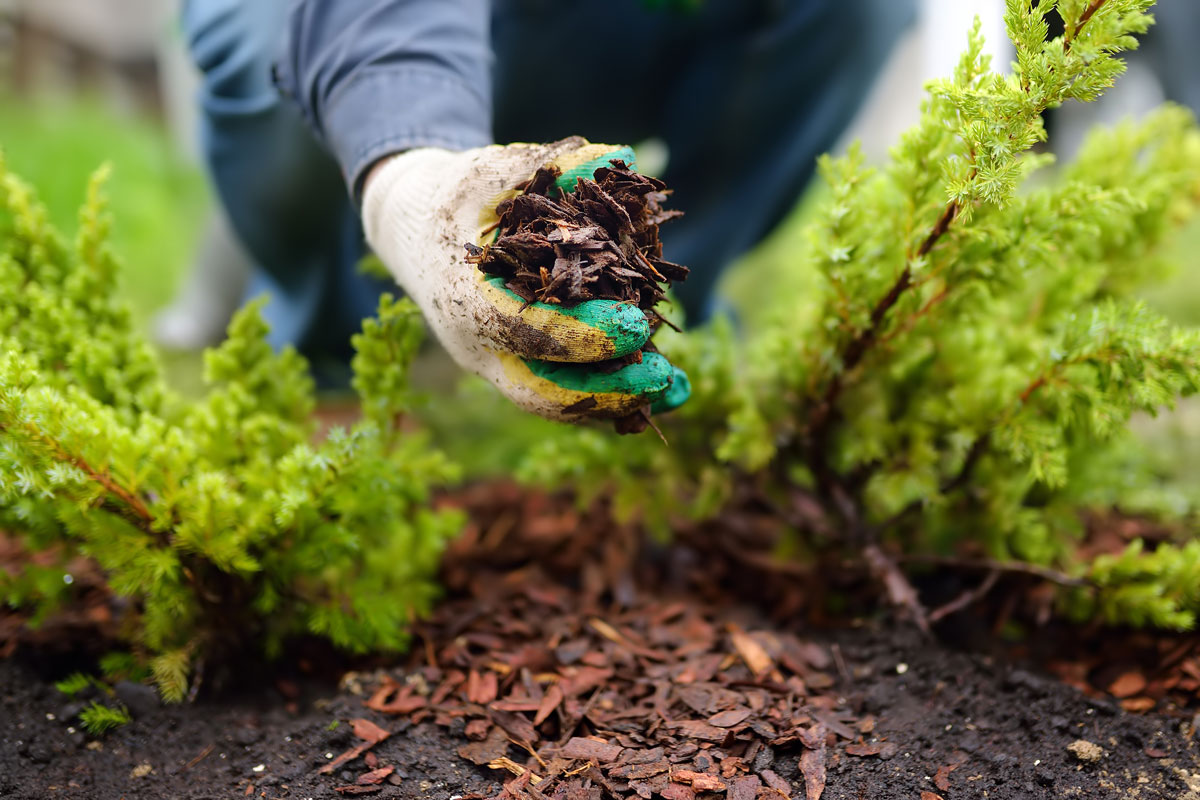
Mulch remains one of the most valuable tools for winter garden care. A layer of around 5–10 centimetres helps regulate soil temperature, suppress weeds, reduce compaction, and retain moisture.
When applying mulch, avoid piling it against tree trunks or plant stems. Excessive mulch around the base of trees can trap moisture, restrict airflow, and contribute to disease. The natural flare where the trunk meets the soil should remain visible.
Winter is often a suitable time to selectively prune many deciduous trees and shrubs while they are dormant. Removing dead, damaged, diseased, or crossing branches can improve plant health and structure. However, pruning requirements vary between species, and some plants flower on growth produced during the previous season.
For large trees, difficult access areas, or branches near power lines, always engage a qualified arborist.
Monitor Pests, Weeds and Diseases
Not every pest or weed problem requires immediate treatment. Effective garden management begins with observation and correct identification before deciding whether intervention is necessary. The goal is management, not complete eradication.
Winter weeds often become more noticeable as lawn growth slows. Broadleaf weeds, annual grasses, and invasive species can establish quickly if left unmanaged. Early action is usually easier and more effective than dealing with widespread infestations later.
Many pest and disease issues are symptoms of underlying conditions such as poor drainage, compacted soil, excessive shade, overcrowding, or inappropriate watering practices. Addressing the cause often provides a longer-term solution than treating symptoms alone.
Choosing plants that are well suited to local conditions can also reduce the need for irrigation, fertilisers, pesticides, and ongoing maintenance. Native plants and other climate-appropriate species often perform exceptionally well while supporting birds, pollinators, and beneficial insects.
Make the Garden Work for Your Lifestyle
Not every area of the garden requires the same level of attention. Prioritise maintenance in high-use spaces such as entrances, pathways, patios, decks, and outdoor entertaining areas.
Less frequently used sections may benefit from reducing lawn area and introducing garden beds, native plantings, groundcovers, or additional mulching. Thoughtful planting design can lower maintenance requirements while maintaining visual appeal and functionality.
Many homeowners are increasingly incorporating water-wise gardens, rain gardens, and low-maintenance planting schemes that perform well across changing seasonal conditions.
Consistency Matters Most
The healthiest winter gardens are rarely the most expensive or elaborate. They are the ones that receive steady, practical attention: irrigation systems checked regularly, lawns mown appropriately, mulch kept clear of trunks, and minor issues addressed before they become larger problems.
A consistent maintenance routine helps conserve water, reduces unnecessary work, and supports a garden that remains attractive, functional, and ready to thrive when spring arrives.