
Winter has a way of revealing how well a home really performs. On a mild summer day, small weaknesses can go unnoticed. But when colder temperatures, persistent rain, strong winds, and increased heating demand arrive, those same issues become much more apparent. Roofs face repeated wetting and drying cycles, while insulation, ventilation, moisture management, draughts, and overall durability are put to the test.
That makes winter one of the best times to assess your property, whether or not you’re planning to buy or sell. A home that remains warm, dry, and comfortable through the colder months usually has the fundamentals working well together. The roof keeps water out, drainage moves stormwater away effectively, heating systems operate efficiently, and the building envelope helps retain warmth while managing moisture.
Winter Weather Puts the Exterior to the Test
The winter climate can be demanding, particularly in areas exposed to heavy rainfall, coastal conditions, or strong winds. Roofs, gutters, cladding, and exterior finishes are all tested during the colder months. Minor defects that may have gone unnoticed over summer often become obvious after prolonged wet weather.
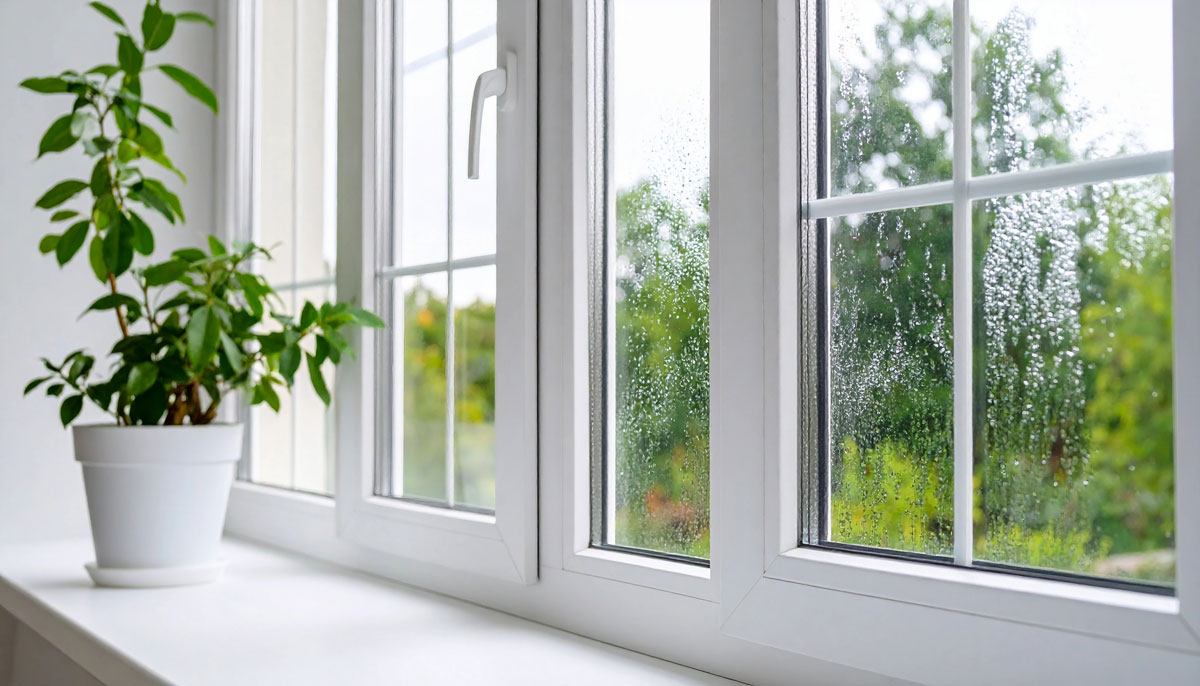
Look for cracked sealants around windows and doors, peeling paint, damaged flashing, blocked gutters, loose roofing materials, and worn weather seals. Draughts around doors and windows can reduce comfort, increase heating costs, and contribute to condensation inside the home.
The lesson is straightforward: small exterior issues rarely stay small. Deferred maintenance can lead to water ingress, heat loss, and more expensive repairs down the track.
Water Management Remains Critical
If winter highlights one thing, it’s the importance of managing water properly. Moisture is one of the biggest threats to a home’s long-term durability. Sound roofing, effective drainage, clear gutters, and good site design all play an important role in protecting a property.
Even an average winter storm can expose weaknesses. In many cases, moisture problems don’t result from major structural failures but from blocked gutters, overflowing downpipes, poor drainage, or water pooling around the home’s foundations.
Watch for overflowing gutters, standing water, musty odours, stains on ceilings or walls, condensation on windows, mould growth, or peeling finishes. Keep gutters and downpipes clear, make sure stormwater is directed away from the house, and address drainage issues before they become larger problems.
Inside the home, ventilation is equally important. Kitchens, bathrooms, laundries, and other moisture-producing areas should be well ventilated to help control humidity and reduce condensation.
Comfort Can Be a Useful Indicator
A home that struggles to stay warm during winter is often telling you something. Heating performance depends on more than just the heat pump, wood burner, or other heating source. Insulation, glazing, draught sealing, window coverings, and ventilation all affect how efficiently a home retains warmth.
Pay attention to patterns rather than simply turning the heating up. Rooms that are consistently colder than others, persistent draughts, or excessive condensation may indicate opportunities for improvement.
Regular maintenance of heating systems also makes a difference. Cleaning filters, servicing equipment, and ensuring vents remain unobstructed can improve efficiency, reduce energy use, and extend the life of the system.
Don’t Forget the Section
The long-term performance of a property is influenced by more than the house itself. Trees, gardens, and landscaping affect drainage, sunlight, wind exposure, and moisture levels around the home.
Good landscaping should support the property, not create additional risks. Overhanging branches, leaf build-up, blocked drains, and vegetation growing against cladding can trap moisture and accelerate wear.
Winter is a good time to inspect drainage paths, trim back overhanging branches, clear debris from gutters and roof valleys, and ensure water can move freely away from the house.
A Simple Framework for Long-Term Performance
When assessing a property’s long-term durability, focus on four key areas:
- It sheds water effectively. Roofs, gutters, flashing, site grading, and drainage should direct water safely away from the home.
- It retains warmth efficiently. Insulation, glazing, weather sealing, and thoughtful design should support consistent indoor comfort and energy efficiency.
- It manages moisture and airflow well. Ventilation, humidity control, and regular maintenance help protect both indoor air quality and building materials.
- It suits its environment. Local climate, site conditions, wind exposure, flooding risk, coastal influences, and regional weather patterns all affect how a home performs over time.
Homes tend to age well when owners deal with small issues early and treat maintenance as ongoing care rather than waiting for problems to become urgent.
The Lasting Lesson
The biggest lesson winter teaches about property longevity is that resilience isn’t usually about one standout feature. It’s about consistent performance over time. A durable home keeps water out, stays warm and dry, manages moisture effectively, and works with its environment rather than against it.
That kind of reliability may not be the most exciting aspect of home ownership, but it makes a property more comfortable to live in, easier to maintain, and better positioned to stand the test of time.