
A summer yard does more than frame a home. It cools outdoor living spaces, shapes curb appeal, and absorbs wear from people, pets, and weather. Summer is also when poor maintenance habits become obvious. Watering at the wrong time wastes moisture, mowing too short stresses grass, and piling mulch against tree trunks can contribute to decline. Effective summer yard care is less about perfection and more about keeping the landscape healthy, efficient, and manageable.
Focus on Health First
Think of summer yard care as basic home maintenance rather than purely cosmetic work. Watering should match plant needs, not just the calendar. Overwatering can increase water bills, encourage disease, and wash nutrients beyond plant roots. Conditions vary widely across the country, so local cooperative extension offices and water utilities are often the best source for region-specific guidance.
Water Deeply and Efficiently
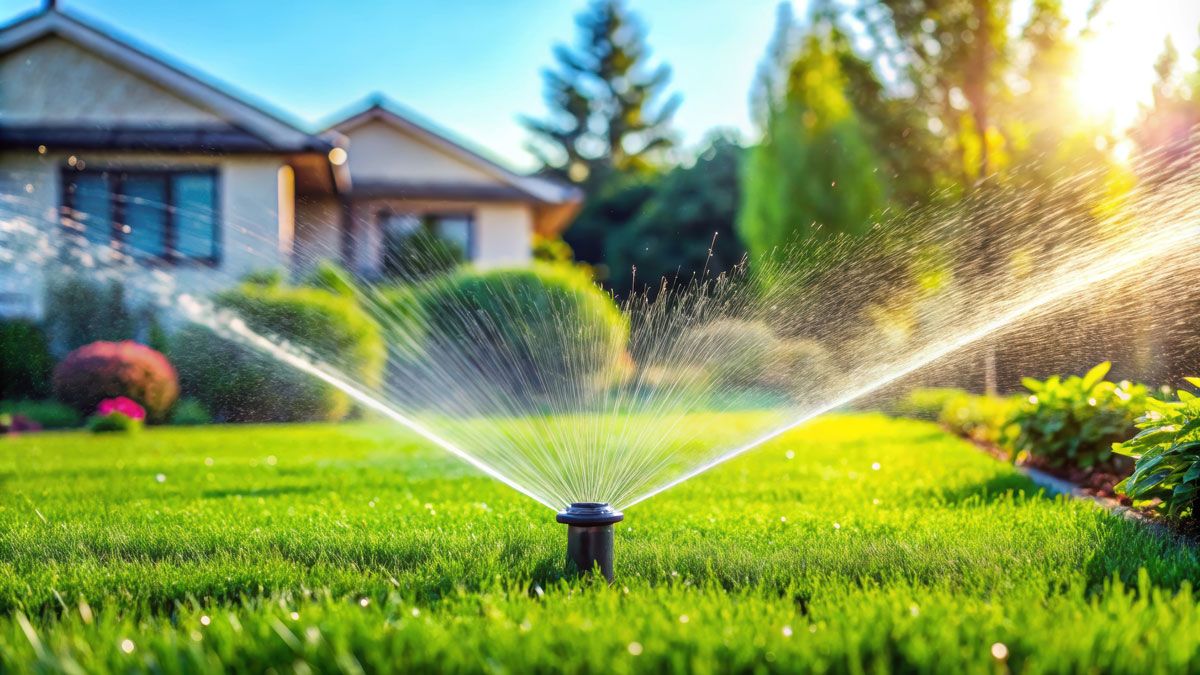
For most landscapes, early morning is the best time to water. It allows moisture to soak into the soil before the hottest part of the day, reduces evaporation, and gives grass time to dry. Many lawns perform well with about one inch of water per week, including rainfall, though actual needs depend on climate, soil type, weather, and plant selection.
The goal is to moisten the root zone rather than just the soil surface. Measure sprinkler output with straight-sided containers and adjust run times accordingly. On slopes or in clay soils, use a cycle-and-soak approach by watering in shorter intervals with breaks between cycles. This helps reduce runoff and improves absorption.
Regularly inspect irrigation systems for leaks, broken sprinkler heads, overspray, and pooling water. Whenever possible, group plants with similar water requirements together so lawns, shrubs, and drought-tolerant plants are not all watered the same way.
Keep Lawns Resilient
Summer lawn care often improves when homeowners do less, but do it correctly. Raise mower height during hot weather, keep blades sharp, and follow the one-third rule: never remove more than one-third of the grass blade at a time. Scalping weakens turf, reduces drought tolerance, and increases susceptibility to weeds and disease.
Grass clippings can usually be left on the lawn if they are short and evenly distributed. As they break down, they return nutrients to the soil and may reduce fertilizer needs.
Fertilizer applications should be based on soil conditions rather than routine habit. A soil test every few years can reveal nutrient levels, pH, and organic matter content. Overfertilizing often produces excessive growth and increases water demand.
Use Mulch and Pruning Wisely
Mulch is one of the most effective tools for summer landscape care when applied correctly. A layer two to four inches deep helps conserve moisture, suppress weeds, reduce soil compaction, and protect plants from mower and trimmer damage.
Avoid piling mulch against tree trunks. Excessive mulch can trap moisture, restrict oxygen flow, and contribute to decline. Tree trunks should show their root flare—the natural widening where the trunk meets the soil.
Pruning should be limited during hot, dry periods. Removing dead, damaged, diseased, or rubbing branches is beneficial, but heavy pruning can add stress when plants are already coping with summer conditions. For large trees or branches near power lines, hire a qualified arborist or tree-care professional.
Manage Pests and Weeds Through Observation
Not every pest or weed problem requires immediate treatment. Pest management begins with monitoring and accurate identification before deciding whether action is necessary. The goal is management, not eradication.
Many landscape problems are symptoms of underlying issues. Weeds may indicate soil compaction, poor mowing practices, or nutrient imbalances. Plants growing in unsuitable conditions—too wet, too dry, too shaded, or overcrowded—are naturally more vulnerable to pests and disease.
Choosing the right plant for the right location reduces the need for irrigation, fertilizers, pesticides, and excessive pruning. Native and locally adapted plants often perform well while supporting pollinators and other beneficial wildlife.
Make the Yard Work for Your Lifestyle
Not every part of a yard requires the same level of maintenance. Focus higher-attention care around entrances, patios, walkways, and other frequently used spaces. In lower-use areas, consider reducing hard-to-water turf, replacing chronic problem spots with adapted plantings, or grouping plants by water needs.
Research consistently shows that thoughtful plant selection, water-efficient zoning, and selective turf reduction can lower maintenance demands while preserving beauty and function.
Consistency Matters Most
The healthiest summer yards are rarely the most expensive or elaborate. They are the ones that receive steady attention: irrigation systems checked regularly, lawns mowed properly, mulch kept away from trunks, and problems addressed before they become major issues.
A consistent maintenance routine helps conserve resources, reduces unnecessary work, and supports a landscape that remains attractive and functional throughout the summer season.