
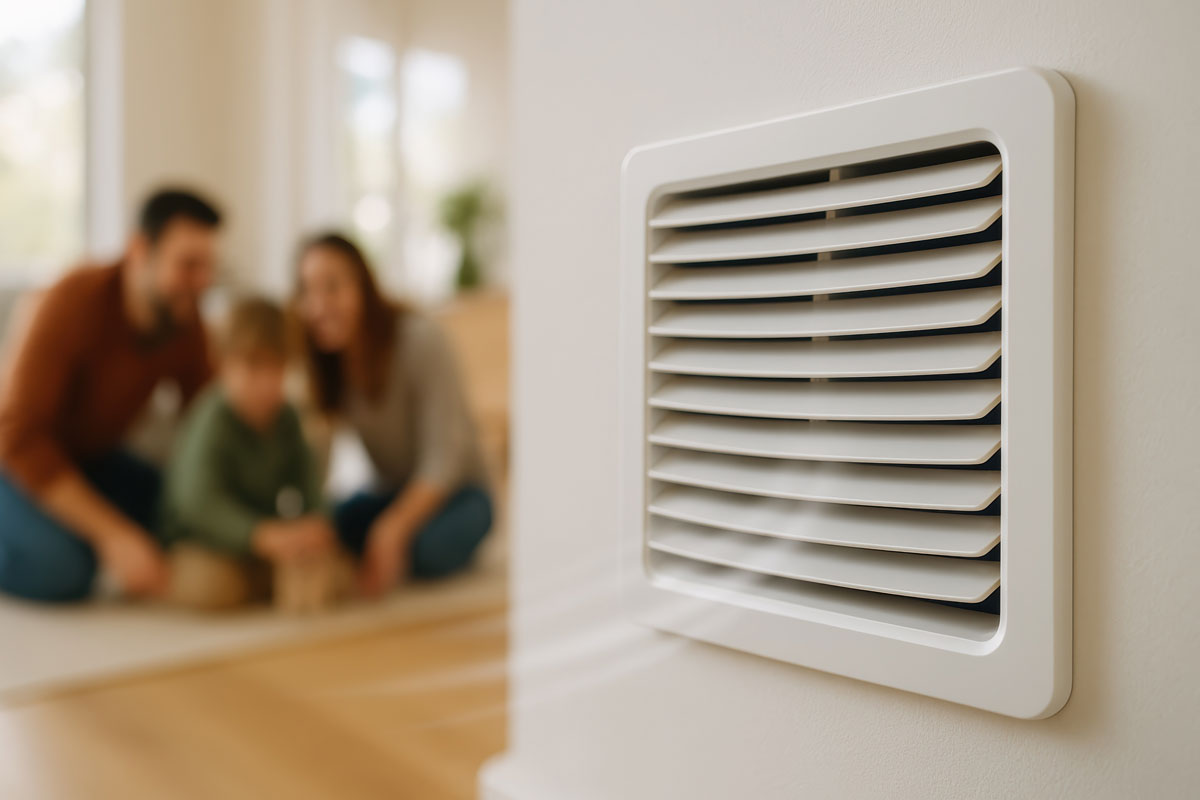
A home can look beautiful and still feel uncomfortable. Maybe the living room is drafty during the winter, the upstairs overheats in the summer, or the bathroom stays damp long after a shower. Those issues affect daily life far more than cabinet colours or tile selections.
Comfort Is More Than Temperature
When people describe a home as comfortable, they usually mean more than warmth or coolness. They mean consistent temperatures, cleaner air, healthy humidity levels, and spaces that are easy to use every day.
Homeowners spend the vast majority of their time indoors, especially during the colder months. The quality of the indoor environment has a direct impact on comfort, health, and energy costs. Insulation, air sealing, ventilation, and moisture control all play an important role in how a home performs.
In other words, comfort is not a luxury feature. It is a core part of how a home functions.
The Most Valuable Improvements Are Often Invisible
Many of the upgrades that have the biggest impact on comfort are the ones visitors never notice. Air sealing, weatherstripping, insulation improvements, and energy-efficient windows can reduce heating and cooling costs while making indoor temperatures more consistent. Proper kitchen and bathroom ventilation is equally important because it helps remove excess moisture, odours, and indoor pollutants.
That is why projects such as attic insulation, draft-proofing, and ventilation upgrades often improve daily living more than cosmetic renovations. A fresh coat of paint can change how a room looks, but it will not fix a cold bedroom in January or a damp bathroom year-round.
Health and Comfort Go Hand in Hand
A comfortable home is often a healthier home. Reducing indoor pollutants, improving ventilation, and using appropriate air filtration can all contribute to better indoor air quality.
Moisture control is especially important in many regions. Excess moisture can contribute to mould growth, structural damage, and poor indoor air quality. Addressing leaks quickly, venting bathroom fans outdoors, and maintaining proper humidity levels can help prevent problems before they start.
Many of the most effective comfort improvements sound unremarkable: repairing a leak, upgrading an HVAC filter, improving ventilation, or testing for radon. Yet these improvements can make a home feel cleaner, safer, and more comfortable every day.
Function Lasts Longer Than Fashion
Style matters, but style changes. Paint colours, fixtures, and finishes often reflect personal taste and current trends. By contrast, improvements that make a home quieter, drier, safer, and easier to heat and cool tend to remain valuable over time.
Homeowners consistently place functionality and livability among the most important outcomes of renovation projects. Buyers are also paying closer attention to a home’s condition, maintenance requirements, and energy performance than they once did.
This does not mean design is unimportant. It means design works best when the fundamentals are already in place. Attractive finishes cannot compensate for stale air, uneven temperatures, or ongoing comfort issues.
Comfort Includes Ease of Use
Comfort is also about how a home supports everyday activities. Features such as improved lighting, handrails, grab bars, and the removal of tripping hazards can make a home safer and easier to navigate.
These features benefit more than older adults or people with mobility challenges. Better lighting makes everyday tasks easier. A sturdy handrail can be invaluable during recovery from an injury. A step-free entrance simplifies daily life for parents with strollers, people carrying groceries, and visitors of all ages.
In that sense, accessibility is not just a specialized concern—it is a long-term comfort strategy.
Choosing the Right Upgrade
A simple rule can help prioritize home improvements: solve recurring problems before pursuing cosmetic updates.
Ask yourself what issue comes up repeatedly. Is a room always too cold in winter or too warm in summer? Does the basement feel damp? Is the entryway poorly lit? Then consider whether an improvement will reduce the effort, cost, or frustration required to live comfortably in the home.
Projects that improve comfort, performance, and usability tend to provide value regardless of changing design trends. They make daily life easier, which gives them lasting relevance.
Final Thoughts
Aesthetic upgrades can make a home look fresh, but comfort-focused upgrades make a home work better. They support cleaner air, steadier temperatures, healthier humidity levels, easier movement, and better overall livability. They also continue delivering benefits long after trends change.
Comfort is not separate from good design—it is the foundation that allows good design to succeed. That is why improvements focused on comfort, efficiency, and functionality often provide more lasting value than purely cosmetic renovations.