
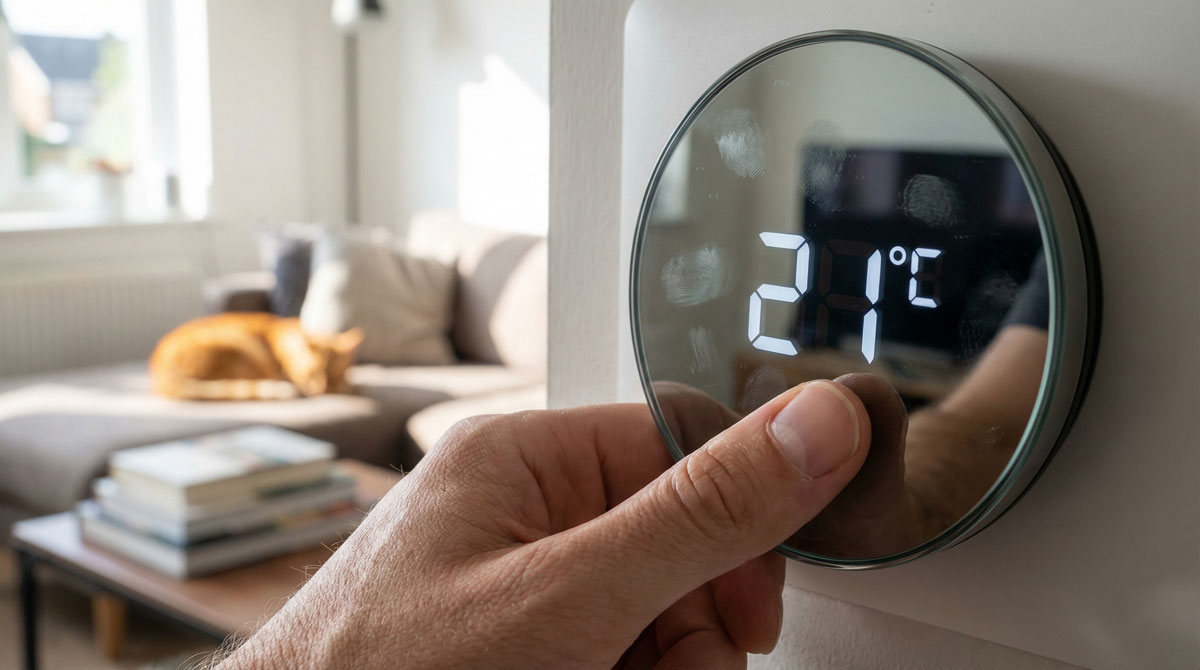
Winter has a way of revealing the difference between a house that simply looks good and one that genuinely performs well. As temperatures drop, people quickly notice which rooms are hard to keep warm, whether the upstairs feels draughty, how much the heat pump has to work, and whether outdoor areas are still usable through the colder months. That matters because heating, hot water, and electricity are already some of the biggest household costs for families, with winter often pushing power bills even higher. The colder season also puts greater focus on moisture control, indoor air quality, and how well a home copes during storms, cold snaps, or power cuts.
In real estate terms, this goes beyond curb appeal. Energy efficiency and home performance are becoming increasingly important in property valuations, particularly as buyers pay closer attention to insulation, heating, and running costs. In practical terms, performance is no longer a “nice to have” — it is part of how a home functions day to day and how it is judged in the market.
Winter reveals how a home really performs
Cold weather puts the home itself to the test. Ceiling and underfloor insulation, double glazing, well-sealed doors and windows, orientation, and passive solar design all help keep a property comfortable without relying heavily on heating. Heat loss through gaps, older glazing, and poorly insulated roofs is one of the biggest reasons winter energy bills climb.
A well-performing home does not depend on one system to fix every problem. Instead, it maintains more even temperatures throughout the house, reduces cold spots, and supports everyday living without constant adjustment. Whether someone is buying their first home, upsizing for a growing family, downsizing later in life, or investing, winter makes these differences obvious very quickly.
Comfort is about more than warmth
Heating systems matter, but they are only one part of the equation. Heat pumps, wood burners, panel heaters, and ventilation systems all need regular maintenance to run efficiently and safely. Dirty filters, ageing units, or poorly maintained systems can struggle to heat properly and may become expensive over time.
Moisture is another major issue during winter. Condensation often builds up in homes with limited ventilation or inadequate insulation, especially in older properties. Excess moisture can lead to mould, musty smells, and health concerns — something many households are familiar with during colder months.
That is why a house can feel uncomfortable even when it is technically warm. Dampness and stale air usually point to ventilation problems, leaks, or poor airflow rather than a lack of heating. Improving insulation, sealing draughts, and increasing ventilation can make a home feel warmer, healthier, and more affordable to run. The better question is not simply whether a home has heating, but whether it stays warm and dry without overworking the system.
Outdoor spaces should still be usable
Winter changes how outdoor spaces are used, but it does not make them unimportant. Well-designed outdoor areas can still add real value, particularly when they provide shelter from wind and make the most of winter sun. North-facing outdoor areas are especially desirable because they capture warmth and natural light throughout the day.
Water use also changes during winter, but good drainage and efficient landscaping still matter. Poor drainage, waterlogged lawns, or badly positioned paths can quickly become maintenance headaches in wetter months.
The best outdoor spaces are not necessarily the biggest — they are the ones that work for the people living there year-round. Families may prioritise protected play areas, downsizers often value low-maintenance gardens, and investors may focus on durability and reduced upkeep. A functional outdoor space should support everyday living without creating extra work.
Resilience matters in everyday life
Winter preparedness also means thinking about what happens when things go wrong. Storms and power outages can quickly turn an uncomfortable house into an unliveable one, especially in colder regions. Knowing how a home retains warmth during a power cut, how essential appliances are managed, or whether there is an alternative heat source can become very important.
Air quality is another consideration, particularly in areas where winter smoke from wood burners affects neighbourhoods. A well-performing home should be able to minimise outdoor pollutants while maintaining healthy airflow indoors through good ventilation and sealing.
A resilient home is not just comfortable under ideal conditions — it continues to function when conditions are less than perfect.
A practical way to assess performance
One simple framework for assessing a home in winter includes five key areas: comfort, moisture control, sunlight and shelter, upkeep, and resilience. A home energy assessment can provide useful insight into how a property performs.
When evaluating a property, consider a few straightforward questions:
- Does the temperature stay reasonably even between rooms, especially overnight and early in the morning?
- Are there signs of condensation, dampness, or mould?
- Does the property capture winter sun and provide sheltered outdoor areas?
- How much time and money does maintenance require during colder months?
- What happens if the power goes out during winter?
Homeowners and sellers can use the same approach. Clear documentation — such as insulation records, heat pump servicing, draught sealing, or window improvements — is often more valuable than broad claims about renovations. Specific details help buyers understand how the property performs, not just how it looks.
What makes a home work in winter
Winter does not demand perfection — it highlights capability. Homes that perform well tend to retain heat efficiently, manage moisture properly, make good use of natural sunlight, remain practical outdoors, and stay functional during challenging conditions. Over time, those qualities support comfort, health, and affordability.
That is what it means for a home to work harder in winter. It is not about flashy features or marketing language. It is about a property quietly supporting daily life so the people living in it do not have to compensate for its shortcomings. Whether buying, selling, investing, or staying put, that perspective offers a more reliable way to make long-term housing decisions.
The information provided in this blog is for general informational purposes only and is not intended as tax, legal, or financial advice. We are not tax professionals. Readers should consult their own tax advisor or accountant for guidance specific to their circumstances.