
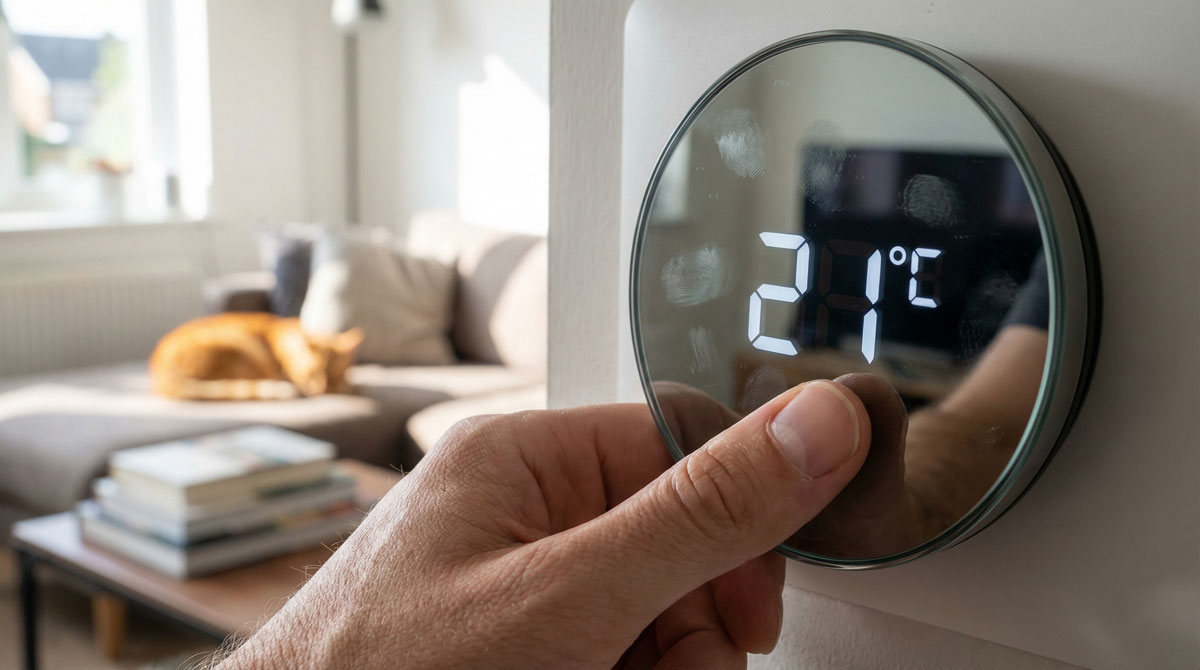
Winter has a way of exposing the difference between a house that looks good and one that truly functions well. As temperatures drop, people notice which rooms struggle to stay warm, whether upper floors feel draughty, how hard the heating system works, and whether outdoor areas are still usable in colder conditions. That matters because heating, cooling, and hot water are already among the largest household energy expenses, while winter can also increase electricity and gas demand significantly. The colder months also raise the stakes for moisture control, indoor air quality, and resilience during storms, cold snaps, or power outages.
In real estate terms, this goes beyond street appeal. Valuation practices increasingly recognise energy-efficient features, as their impact on value varies by climate, utility costs, and buyer expectations. In practical terms, performance is not a bonus—it is part of how a home functions and how it is assessed.
Winter reveals real performance
Cooler weather puts the structure itself to the test. Insulation, well-sealed windows and doors, orientation, and passive solar design all play a role in keeping a home comfortable with less reliance on heating. Heat loss through gaps, glazing, and poorly insulated roofs is a major driver of higher energy bills.
A well-performing home does not rely on one system to solve every issue. It maintains more even temperatures between rooms, reduces cold spots, and supports daily routines without constant adjustment. Whether someone is buying their first home, upsizing, downsizing, or planning for retirement, winter makes these differences immediately noticeable.
Comfort is more than temperature
Heating systems matter, but they are only part of the equation. Regular maintenance—clean filters, serviced units, and properly functioning components—is essential for efficiency and safety. Poorly maintained systems can struggle to heat effectively and may pose risks over time.
Moisture is also a key factor in winter. Indoor humidity can rise due to condensation, especially in tightly sealed homes or those with limited ventilation. Excess moisture can lead to mould, musty smells, and health concerns.
That is why a home can feel uncomfortable even when it is technically warm. Dampness or stale air often points to ventilation issues, leaks, or poor airflow rather than inadequate heating. Sealing draughts and improving insulation can enhance comfort, reduce moisture problems, and lower energy costs. The more useful question is not simply whether a home has heating, but whether it stays warm and dry without overworking the system.
Outdoor space should still function
Winter changes how outdoor areas are used, but it does not make them irrelevant. Well-designed spaces can still add value—think sheltered patios, wind protection, and access to winter sun. Orientation becomes especially important, with north-facing areas capturing valuable warmth during the day.
Water use also shifts in winter, but efficient landscaping still matters. Overwatering, poor drainage, and inefficient systems can create maintenance issues and unnecessary costs, even in cooler months.
The most effective outdoor spaces are not necessarily the largest—they are the ones that suit how people live year-round. A family might prioritise a protected play area, while a downsizer may value low-maintenance gardens. An investor may focus on durability and reduced upkeep. A well-considered yard should remain functional without adding extra burden.
Resilience matters in everyday life
Preparedness in winter includes planning for power outages, especially during storms or extreme weather. Knowing how to stay warm safely, manage refrigerated medications, or maintain essential devices becomes important.
Air quality can also be a concern, particularly in areas affected by wood heaters or winter smoke. Homes should be able to limit the entry of outdoor pollutants and maintain healthy indoor air through proper sealing and ventilation.
A home that performs well in winter offers a fallback plan for comfort—not just ideal conditions.
A simple way to evaluate performance
A practical framework includes five factors: comfort, moisture control, sunlight and shelter, upkeep, and resilience. Starting with an energy assessment or reviewing a home’s energy rating can provide useful insights into how it performs.
When evaluating a home, consider a few straightforward questions:
- Does the temperature stay relatively even between rooms, especially overnight and early morning?
- Is there any sign of moisture issues, such as condensation or mould?
- Does the home capture winter sun and provide sheltered outdoor areas?
- How much effort and cost does it take to maintain the property in colder months?
- What is the plan if power is lost during a cold period?
Sellers and homeowners can use the same framework. Clear records—maintenance logs, insulation upgrades, draught sealing, or window improvements—are often more valuable than general claims about updates. Specific information builds confidence because it explains how a home performs, not just how it appears.
What makes a home work in winter
Winter does not demand perfection—it highlights capability. Homes that perform well tend to retain heat efficiently, manage moisture, make good use of sunlight, remain practical outdoors, and stay functional under less-than-ideal conditions. These qualities support comfort, health, and affordability over time.
That is what it means for a home to work harder in winter. It is not about standout features or marketing language. It is about a property quietly supporting daily life so the people inside it do not have to compensate. Whether buying, selling, investing, or staying put, that perspective offers a reliable way to make better long-term housing decisions.
The information provided in this blog is for general informational purposes only and is not intended as tax, legal, or financial advice. We are not tax professionals. Readers should consult their own tax advisor or accountant for guidance specific to their circumstances.