
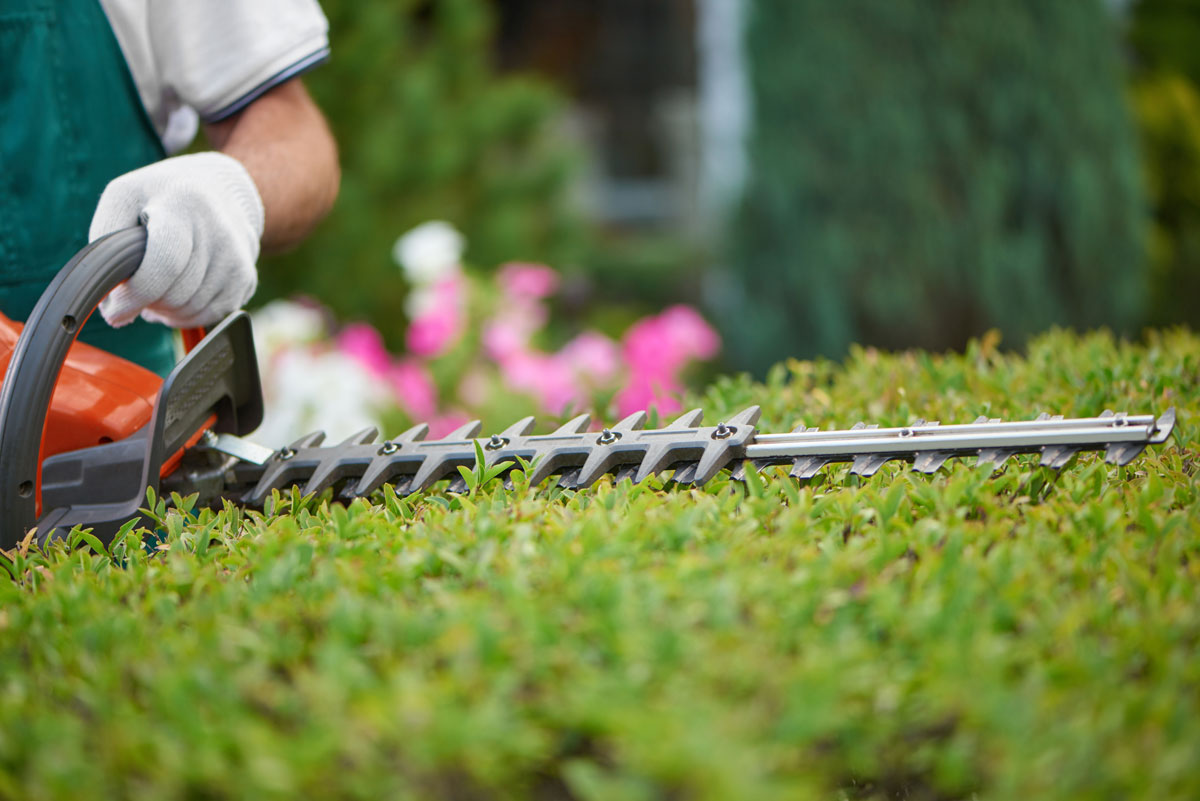
Many first-time buyers prepare for the obvious parts of homeownership: the mortgage, utilities, and the move itself. What often comes later is the ongoing work of maintaining the property. It is encouraged that buyers budget for maintenance and repair costs alongside monthly housing expenses, and many financial experts note that regular upkeep is one of the best ways to protect a home as a long-term investment.
Summer is often when that reality becomes more noticeable. Cooling systems work harder, outdoor water use increases, and heat, humidity, and storms reveal how a home performs day to day. Regular maintenance helps cooling systems operate more efficiently, while municipalities regularly remind homeowners that outdoor watering can significantly increase household water use during hot, dry months.
Why Summer Makes Maintenance More Visible
During milder seasons, a home can feel relatively low-maintenance. In summer, it tends to give clearer feedback. A room that won’t cool properly, higher water bills, a musty smell, or water pooling near the foundation can all point to airflow, moisture, or drainage issues.
That doesn’t necessarily mean something is wrong. More often, it means the home needs routine attention. Seasonal maintenance guidance emphasizes that regular upkeep can help prevent more expensive repairs later, and many tasks are straightforward while others may require a qualified professional.
For first-time buyers, this adjustment can feel unfamiliar. Renting often teaches people to report problems. Owning teaches them to notice patterns early. Summer helps because systems are more active and visible: air conditioners run more often, lawns and gardens grow quickly, and rain or irrigation makes it easier to see how water moves around the property.
Comfort Is Often the First Clue
One of the first summer lessons is that comfort isn’t only about lowering the thermostat. Dirty air filters can restrict airflow and reduce efficiency. If you’re unsure, checking or replacing filters every one to two months during cooling season is a practical guideline.
Outdoor air-conditioning units also need some attention. Leaves, grass clippings, and debris should be cleared away, and nearby plants trimmed back so air can circulate properly. If the home cools unevenly, airflow feels weak, or the system seems to run constantly, start with simple checks: the filter, the outdoor unit, and visible air leaks around windows and doors.
Sealing gaps with caulking or weatherstripping can help prevent cool air from escaping. If problems continue, it may be time to contact a licensed HVAC technician. Annual inspections and servicing can also help prevent breakdowns and unexpected costs.
Water Becomes the Main Focus
If comfort is the first signal, water is often the biggest lesson. Home maintenance experts commonly recommend making sure water drains away from the home, cleaning gutters and downspouts regularly, and checking for leaks around windows and doors. Puddles, damp areas, or changes in wall colour—especially in basements—can indicate problems that shouldn’t be ignored.
Inside the home, summer humidity can make smaller moisture issues more noticeable. It is advised to keep indoor humidity at a moderate level to help prevent mould growth. Addressing moisture quickly is important, especially after heavy rain or plumbing leaks. Water-damaged areas should ideally be dried as soon as possible to reduce the risk of mould.
Summer maintenance is less about perfection and more about awareness. After periods of rain or humid weather, pay attention to what changes. A sticking door, a new odour, or water collecting near the foundation can all signal areas worth monitoring. These small observations often help prevent larger issues later.
The Yard Is Functional, Not Just Visual
Many new homeowners quickly discover that the yard affects more than curb appeal. Outdoor watering can account for a large share of summer water use, especially during dry periods. Summer is a good time to notice inefficiencies like sprinkler overspray, soggy patches, or areas where grass remains dry despite regular watering.
Landscaping also affects the home itself. Plants placed too close to siding can trap moisture, while overgrowth around outdoor cooling equipment can restrict airflow. Keeping some clearance around outdoor units helps them operate more efficiently.
Pest prevention is another seasonal consideration. Reducing standing water, sealing entry points, and keeping outdoor areas clean can help discourage insects and rodents from settling near the home.
For condo or townhouse owners, some exterior maintenance may be handled by a condominium corporation or strata. Reviewing bylaws and maintenance agreements can help clarify what is covered and what remains the owner’s responsibility.
Upkeep vs. Repair
A helpful way to think about maintenance is to separate upkeep from repair. Upkeep includes routine tasks like changing filters, cleaning gutters, checking drainage, trimming vegetation, and watching for leaks. Repair happens when something stops working or begins causing damage.
The term “deferred maintenance” usually means smaller upkeep tasks were postponed until they became larger repairs. Most home care falls into the upkeep category, and staying consistent with routine tasks can prevent many common problems.
As a general rule, act quickly when water, cooling, or safety is involved. Persistent moisture problems, electrical concerns, or cooling systems that can no longer keep the home comfortable are all situations where professional help may be appropriate.
A Simple Summer Routine
The most effective approach usually isn’t a major project—it’s a simple, repeatable routine. Once a month, check the HVAC filter, clear debris from outdoor cooling equipment, walk around the property after rainfall, and look for new stains or damp areas indoors.
Pay attention to how the home smells and feels. If you use a dehumidifier, make sure it’s working properly. These small steps make it easier to spot changes early.
Budgeting also matters. Maintenance and repair costs can vary widely, so setting aside funds throughout the year can make unexpected expenses easier to manage. Keeping a simple home file with filter sizes, appliance details, warranties, and service records can also make maintenance feel more manageable.
What Lasts Beyond the First Summer
The first summer in a home often changes how ownership feels. Maintenance becomes less abstract and more routine: noticing airflow, watching water movement, and understanding how the home responds to weather.
Over time, that builds confidence. A well-maintained home is usually more comfortable, more predictable, and easier to manage financially. Maintenance stops feeling like a surprise and becomes part of everyday living.
In that sense, summer offers more than chores—it offers clarity.
The information provided in this blog is for general informational purposes only and is not intended as tax, legal, or financial advice. We are not tax professionals. Readers should consult their own tax advisor or accountant for guidance specific to their circumstances.