
Summer makes it easier for buyers to evaluate a home. They can clearly see the exterior, notice how light moves through rooms, and quickly pick up on comfort issues like heat, airflow, glare, or moisture. These details matter because buyers are imagining daily life—not just a showing. Research from the National Association of REALTORS® (NAR) shows most buyers begin their search online, rely heavily on photos, and expect to stay in their homes for years. Heating and cooling costs also rank among the most important features buyers consider.
For sellers, summer is an opportunity to present a home as comfortable, well cared for, and easy to understand. The most effective approach isn’t flashy—it’s about creating a strong first impression, presenting the home honestly, and reducing surprises.
Make the Outside Feel Cared For
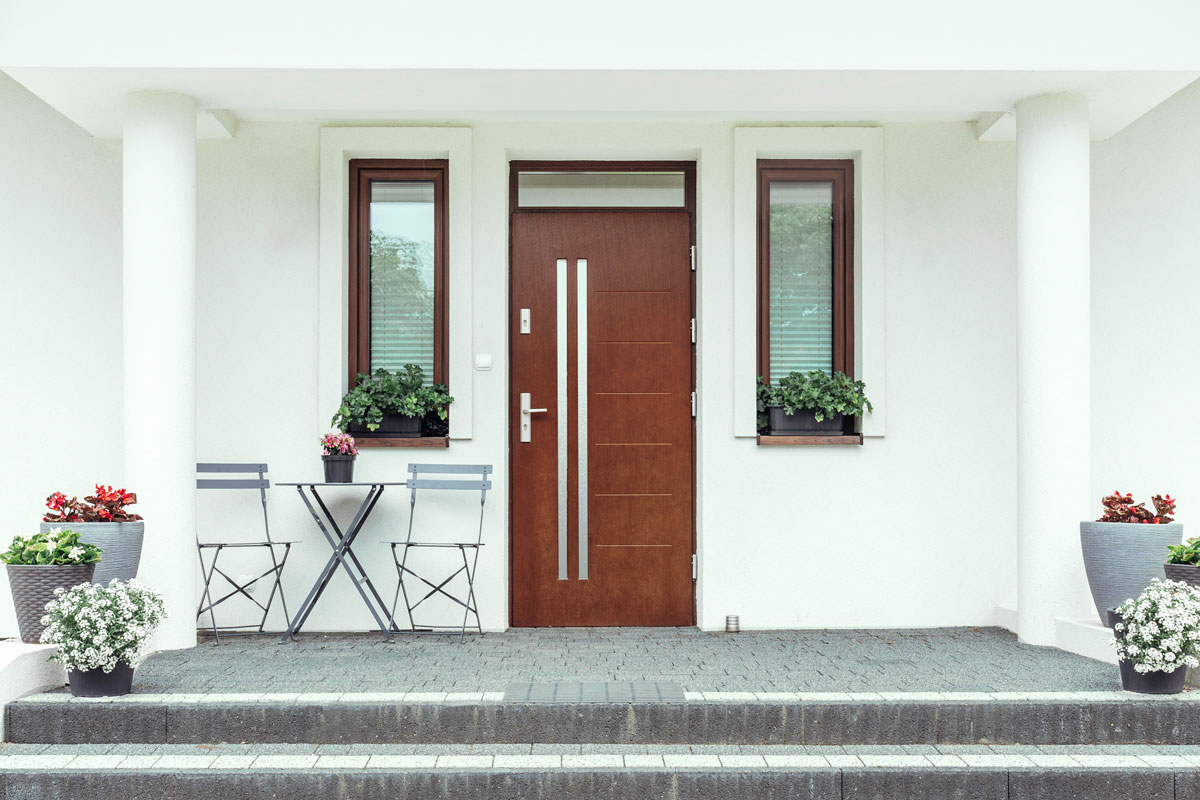
In summer, buyers often form opinions before they step inside. The exterior—landscaping, siding, entryways, and outdoor spaces—sets the tone. While interior rooms like the living room and kitchen matter most, NAR research shows outdoor areas still influence buyer perception.
Keep it simple and intentional. Mow the lawn, trim overgrowth, sweep walkways, and clean the front door. Make sure house numbers, lighting, and railings look maintained. If you have a porch, patio, or balcony, stage it as usable space with simple seating. Buyers don’t need elaborate setups—they just want to understand how the space fits into everyday life.
Let the Home Feel Cool and Easy to Maintain
Comfort builds confidence quickly. Buyers notice temperature, air quality, and overall freshness. Since heating and cooling costs are a top concern, a home should feel both comfortable and efficient.
Basic steps go a long way: replace air filters, service the HVAC system if needed, seal drafts, and use blinds or shades to reduce glare without darkening rooms. A home should feel cool enough to linger in, not just tolerate.
Moisture control is equally important. Fix leaks, clean mildew, and address musty odors. A fresh, dry environment signals proper maintenance and reassures buyers about the home’s condition.
Stage for Everyday Living
Staging works best when it helps buyers understand how a home functions. It’s not about decoration—it’s about clarity. According to NAR, staging helps buyers visualize living in a home, especially in key spaces like the living room, primary bedroom, and kitchen.
Focus on flow and simplicity. Remove excess furniture so rooms feel open and easy to navigate. Keep the primary bedroom calm and uncluttered. Clear kitchen counters to highlight workspace. Neutral, clean styling tends to appeal to the widest range of buyers, while overly specific décor can be distracting.
Build a Strong Online First Impression
Most buyers encounter your home online before seeing it in person. Photos are the most important feature, followed by detailed information and floor plans. A strong listing should answer basic questions upfront.
Use clear, well-lit, accurate photos. Include a floor plan if possible. Provide key details like room counts, storage, updates, and ages of major systems when known. Avoid overly edited images or misleading angles. Buyers are more likely to visit a home that feels authentic and consistent with what they see online.
Lower Buyer Uncertainty
Homes feel more appealing when they seem straightforward and transparent. Reducing uncertainty early helps build trust and can prevent issues later.
Gather documentation before listing—service records, warranties, and receipts for major repairs. Consider a pre-listing inspection to identify and address concerns in advance. Seller disclosures, often required by law, should be complete and clear. For older homes, this may include lead-based paint disclosures.
Inspections are a key part of the buying process, and findings can lead to negotiations or even canceled deals. Being prepared helps minimize surprises and keeps transactions smoother.
Price for Credibility
No matter the season, pricing must align with market reality. Appraisals consider factors like size, condition, location, and comparable sales. If a home is overpriced, it may struggle to attract serious buyers or face challenges during appraisal.
Research consistently shows that overpricing leads to longer time on market and lower final sale prices. A realistic price attracts more qualified buyers and supports the overall presentation of the home.
A Good Summer Listing Feels Effortless
The homes that stand out in summer aren’t the most elaborate—they’re the easiest to understand. The exterior looks maintained, the interior feels comfortable, the layout makes sense, and the listing presents the home clearly and honestly. Documentation is ready, and the price matches the condition.
Attracting buyers is ultimately about reducing friction. When a home feels cared for, comfortable, and transparent, buyers can focus on whether it fits their life instead of second-guessing details. That’s what turns interest into action—whether in summer or any time of year.
The information provided in this blog is for general informational purposes only and is not intended as tax, legal, or financial advice. We are not tax professionals. Readers should consult their own tax advisor or accountant for guidance specific to their circumstances.