
As winter recedes and summer approaches, late spring marks an important transition for homeowners. Rising temperatures, longer daylight hours, and increased outdoor activity signal a shift in how your home is used and maintained. Taking care of seasonal tasks now can help keep your home cooler, safer, and more efficient—while avoiding costly repairs down the road.
Late spring is an ideal time for maintenance because milder weather makes inspections easier and reveals any damage caused by snow, ice, and freezing temperatures. Start by examining your home’s exterior. Check the roof, siding, and foundation for loose or missing shingles, cracks, peeling paint, or signs of water damage from snowmelt. Clean out gutters and downspouts to prevent overflow, which can lead to basement flooding. Make sure water drains away from your home; if it pools near the foundation, consider regrading the soil or extending downspouts.
Inside, focus on systems that will soon see heavier use. Replace HVAC filters and, if you have air conditioning, test it before the first heatwave. In homes without central air, ensure fans and portable cooling units are working properly. Clean dryer vents and bathroom exhaust fans to reduce fire risk, and test smoke and carbon monoxide detectors—especially important in tightly sealed homes. Open and close windows and doors to ensure they operate smoothly after months of cold weather, and check for drafts. Applying caulking or weatherstripping now helps keep cool air in during the summer.
Some of the most important late-spring maintenance tasks include:
- Replacing HVAC filters and testing cooling systems
- Cleaning vents, ducts, and dryer exhausts
- Testing smoke and carbon monoxide alarms
- Inspecting roofing, siding, and gutters
- Scheduling professional air conditioning service (if applicable)
Routine maintenance not only improves comfort but can also reduce energy costs. A well-maintained cooling system runs more efficiently and is less likely to fail during peak summer heat.
Cooling and Energy Efficiency
Late spring is also the time to transition from heating to cooling. Small adjustments can make a noticeable difference in comfort and utility bills.
Take advantage of natural ventilation when possible. Open windows at night to bring in cooler air and close them during the day to keep heat out. Ceiling fans help circulate air but should be turned off in empty rooms. If using air conditioning, avoid setting the thermostat too low—keeping indoor temperatures closer to outdoor conditions helps reduce energy use.
Additional ways to improve efficiency include:
- Sealing air leaks: Check for gaps around windows, doors, and ductwork
- Using window coverings: Close blinds or curtains during the hottest part of the day
- Running appliances strategically: Use dishwashers and laundry machines during cooler hours
- Maintaining outdoor units: Clear debris around air conditioning units for proper airflow
Addressing these areas early can help you avoid higher energy bills during the summer months.
Outdoor and Landscaping Projects
Late spring is prime time for outdoor work. With the ground thawed and plants actively growing, it’s the perfect opportunity to improve your yard and exterior spaces.
Start with lawn care. Rake leftover debris, remove weeds, and consider aerating and fertilizing your lawn. Adding mulch to garden beds helps retain moisture and suppress weeds. This is also a good time to plant flowers and vegetables, depending on your region’s last frost date—which can vary significantly from coast to coast.
Inspect irrigation systems (if installed) for leaks or winter damage. Adjust watering schedules for longer days and warmer temperatures, and fix any issues promptly to conserve water.
Other important outdoor tasks include:
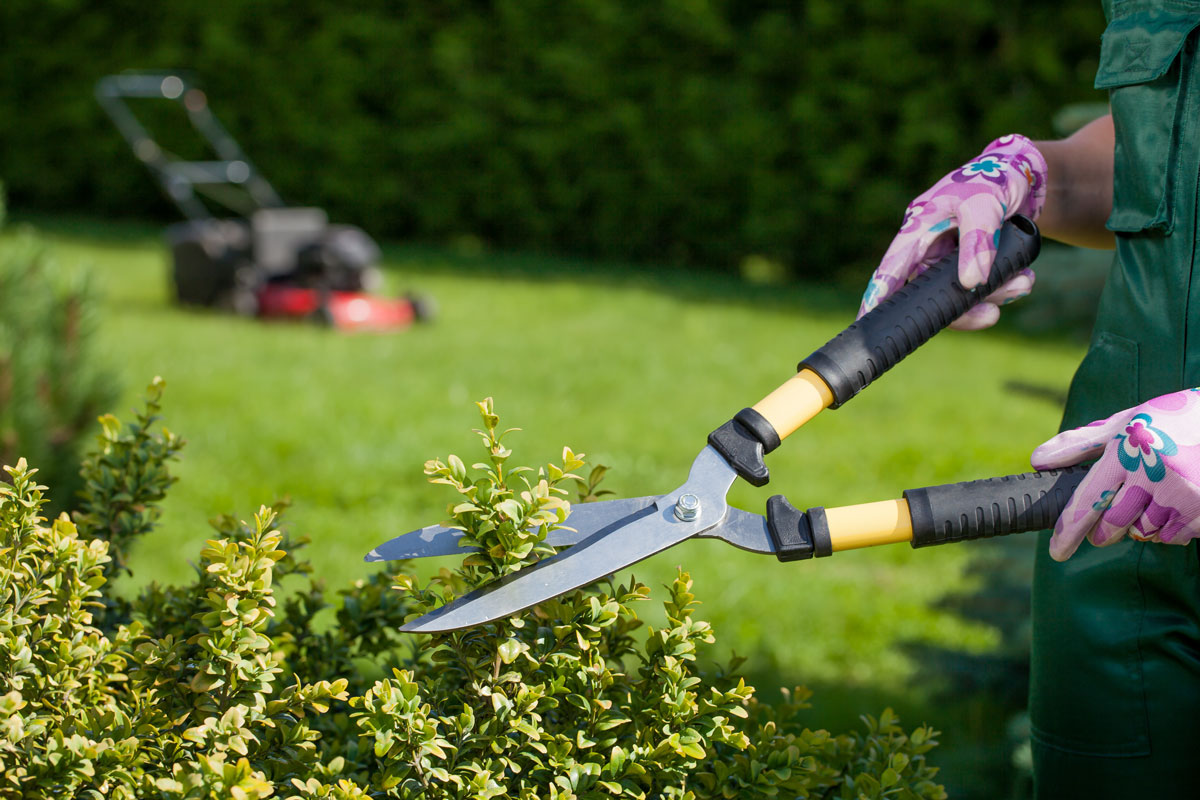
- Trimming trees and shrubs, especially those close to the house
- Cleaning patios, decks, and walkways
- Inspecting fences, gates, and railings for winter damage
- Servicing BBQs, pools, and outdoor equipment
Pest prevention is also key in late spring. Seal cracks or openings around your home’s exterior, keep vegetation trimmed back, and remove woodpiles or debris near the foundation. These steps can help reduce the risk of insects and rodents entering your home.
Improving curb appeal can go a long way as well. Simple updates like fresh mulch, clean windows, or small paint touch-ups can enhance both the appearance and value of your property.
Safety, Comfort, and Planning Ahead
Late spring is a good checkpoint for home safety and future planning. As you spend more time outdoors and take on seasonal projects, it’s important to ensure everything is in good working order.
Re-test smoke and carbon monoxide detectors and check fire extinguishers. Review your household emergency plan, including exit routes and meeting points. If you have a sump pump, test it to ensure it’s functioning properly ahead of spring rains.
Inspect plumbing for leaks under sinks and around appliances. Catching small issues early can help prevent more serious water damage later.
Spring and summer weather can be unpredictable, with risks ranging from heavy rain and flooding to wildfires in some regions. It’s wise to prepare by assembling or updating an emergency kit with essentials like water, batteries, and flashlights. Trim branches near power lines, and review your home insurance coverage if you live in an area prone to flooding or fire.
This is also a good time to plan financially. Budget for upcoming utility costs, maintenance, or larger home improvement projects. Booking services early—such as HVAC tune-ups or pest control—can help you avoid peak-season delays and higher prices.
Finally, don’t forget about comfort and enjoyment. Clean your windows to let in more natural light, store winter gear, and refresh your living spaces. Decluttering, organizing, and planning outdoor activities can help you make the most of the warmer months ahead.