
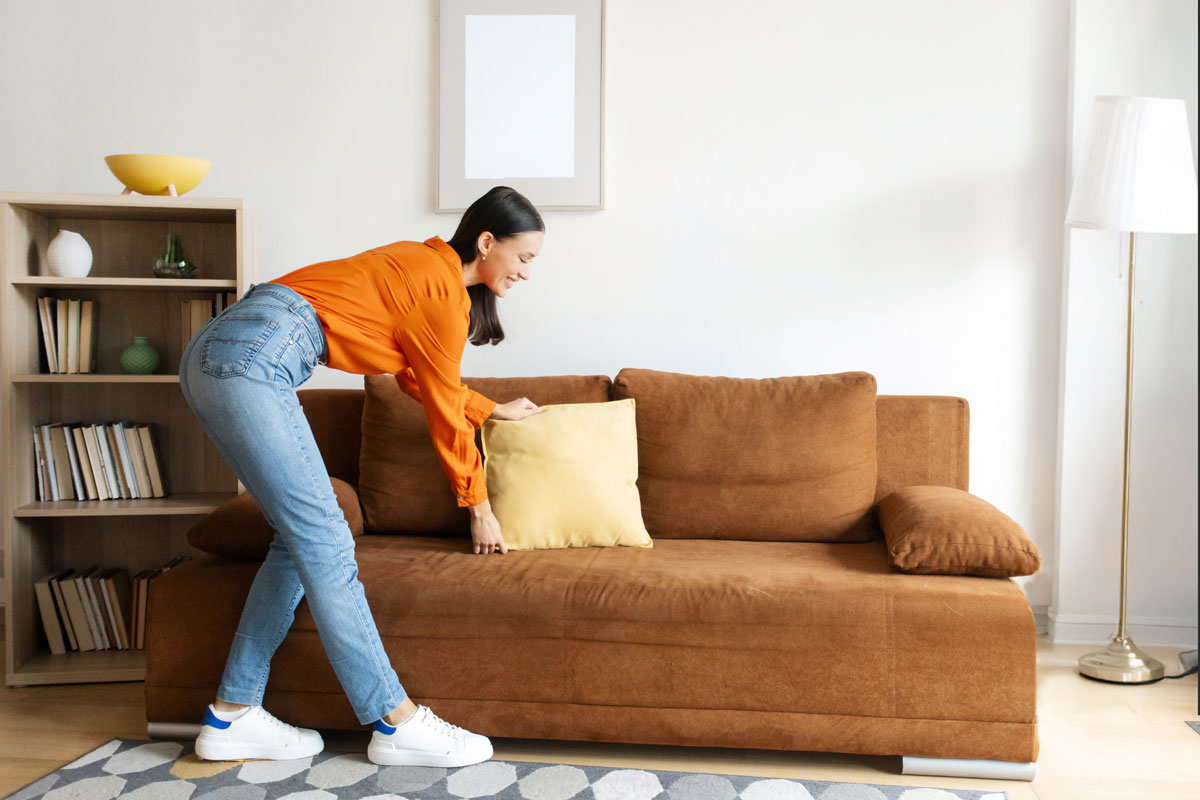
A well-presented home helps people focus on what matters: space, light, layout, and condition. But there’s a line between “cared for” and “curated.” When a home feels staged for a photo instead of lived in, visitors can feel uneasy—or wonder what’s being hidden.
That balance matters because many buyers begin their search online. A large share of millennial buyers start with photos and video, and many expect homes to resemble what they see on TV design shows. When the in-person experience doesn’t match those expectations, disappointment can follow.
Why balance matters in home presentation
Home staging isn’t about making a home trendy. It’s about highlighting strengths and helping buyers picture themselves living there—not renovating or chasing a specific style.
Most real estate professionals agree staging helps buyers visualize a home as their own. But expectations can backfire. When there’s a gap between what people expect and what they experience, satisfaction drops. In real estate, that gap often shows up when photos feel “better than real life,” or when staging feels overly controlled.
The difference between polished and over-polished
A polished home is easy to understand. Walkways are clear, surfaces are clean, and the layout makes sense at a glance.
An over-polished home feels edited. Instead of helping visitors understand the space, it tries to control what they notice.
Common signs of over-polishing include:
- Too empty: Everything removed, leaving the home feeling sterile or cold
- Too decorated: Excessive matching décor, props, or themed styling
- Over-edited photos: Heavy filters or digital changes that alter reality
Over-polished homes often create a disconnect between photos and the in-person experience—and that disconnect can erode trust.
A simple standard: clean, calm, and true
When deciding what to do—and what to skip—use a three-part test:
Clean
Remove anything that distracts from the home itself. That means deep cleaning, eliminating stains, and clearing clutter. A spotless, clutter-free space signals care and makes rooms feel more functional.
Calm
Make each room easy to understand. Avoid overcrowding with furniture or bold, competing décor. Fewer pieces, clearer surfaces, and a single focal point help buyers quickly grasp how the space works.
True
Keep the presentation faithful to the home’s actual condition. Basic photo adjustments are fine, but avoid changes that hide defects or alter permanent features. Present the home in its best light—not as something it isn’t.
Room-by-room choices that feel natural
You don’t need to perfect every corner. Focus on the areas buyers care about most: the living room, kitchen, and primary bedroom.
Living areas
Prioritize function over decoration. Arrange furniture to show how the space is used, keep pathways open, and remove unnecessary pieces. The goal is clarity—not styling for its own sake.
Kitchen
Aim for “ready to use.” Clear most counters, wipe down appliances, and keep the sink empty. Avoid filling the space with decorative containers that make storage feel limited.
Bedrooms
Keep them simple and restful. Fresh bedding goes a long way. Avoid excessive pillows or layered décor that feels unrealistic for everyday living.
Bathrooms
Let cleanliness do the work. Deep clean, ventilate, and eliminate odours rather than masking them with strong scents. What people notice first is what they remember.
Personal items
Depersonalize without stripping away all warmth. Remove highly personal or sensitive items, but leave a few neutral touches—like a plant or folded throw—to keep the space feeling lived in.
Photos, virtual staging, and trust
Because the search often starts online, photos and video set expectations early. The goal isn’t perfection—it’s accuracy.
Basic edits like straightening lines, adjusting exposure, and correcting colour are fine—as long as they don’t change how the property is represented.
If you use virtual staging or other digital enhancements, transparency matters. Clearly disclose when images have been altered, and when possible, show original versions alongside edited ones.
Why does this matter? Buyers may not reward authenticity with extra praise, but they quickly notice when something feels off. In real estate, trust is easy to lose—and hard to regain.