
Plan for Purpose
Thoughtful planning is essential in a large home. Without intention, expansive rooms can feel empty or disconnected. Start by defining functional zones—such as a conversation area, dining nook, or reading corner—so each part of the space has a clear purpose.
Use visual cues to divide zones without closing them off. Area rugs, furniture groupings, or elements like bookcases and consoles can subtly separate spaces. For example, a sofa placed with its back to a dining table can create a natural boundary. Anchoring each zone with a main piece—like a sectional, large sofa, or dining table—helps establish focus and structure. A centered rug beneath a sofa and coffee table can ground a seating area, while a console behind it defines the transition to another zone.
Scale and Furniture Selection
Large rooms require furniture that matches their scale. Small pieces can feel lost, so opt for oversized or statement furnishings. A large sectional, substantial armchairs, or a bold coffee table will help fill the space and create visual balance.
If a single piece feels too small, consider pairing items—such as two ottomans or twin coffee tables. Proportion is key: high ceilings call for taller furniture like bookcases or high-backed chairs, while expansive walls benefit from oversized artwork or mirrors. Choosing pieces that match the room’s scale prevents the space from feeling underfurnished or disproportionate.
Arrange for Flow and Gathering
Furniture arrangement should encourage both conversation and easy movement. Instead of lining everything along the walls, float furniture toward the center to create inviting groupings. Position seating so it faces inward, with a central coffee table acting as a focal point.
Maintain clear pathways—ideally 2–3 feet wide—so people can move comfortably through the room. Begin with a main anchor piece, such as a sofa, and build around it with chairs, tables, and accents. You might create multiple seating clusters, like a sofa with chairs on one rug and a separate arrangement near a fireplace. These “rooms within a room” make large spaces feel more intimate while maintaining overall flow.
Layer Lighting and Ambiance
Lighting is critical in large homes, where a single overhead fixture often leaves shadows and cold corners. Instead, layer multiple light sources to create warmth and dimension.
Start with a statement fixture, such as a chandelier or pendant, to establish scale and visual interest. Then add floor lamps, table lamps, and sconces throughout the room. Each seating area should have its own lighting—like a floor lamp next to a chair or a table lamp on an end table.
Use dimmers to adjust brightness and create ambiance. Natural light is equally important, so keep windows unobstructed whenever possible. Layered lighting not only brightens the space but also makes it feel more inviting and cohesive.
Rugs, Textures, and Layers
Rugs and textiles play a major role in making large rooms feel warm and cohesive. A well-sized rug anchors each zone and prevents furniture from appearing to float. Ideally, rugs should extend under the front legs of all major seating pieces.
Layering rugs can add depth and visual interest, especially if a single rug feels too small. Beyond rugs, incorporate soft elements like curtains, throw pillows, and blankets. These materials help absorb sound and soften the overall feel of the space.
Mix textures to avoid a flat or sterile look. Combine wood, metal, fabric, and natural elements like plants or woven baskets. This layering creates a balanced and inviting environment.
Accessorize at Scale and Add Personality
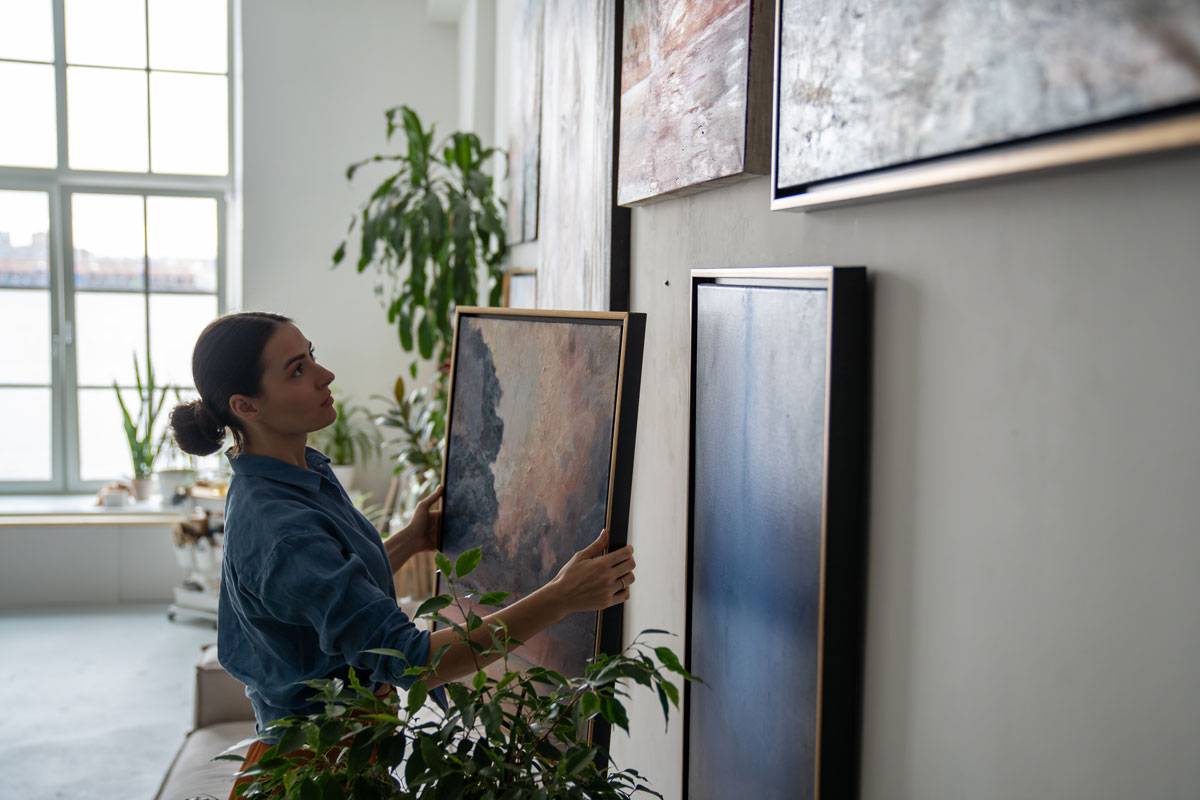
In large spaces, accessories should match the room’s scale. Choose oversized artwork, statement lighting, or large plants to fill walls and corners effectively. Smaller items work best when grouped—such as pairs of vases or sets of decorative objects—to create visual impact.
Repetition can help tie different zones together. For example, carrying the same accent color or pattern throughout multiple areas creates unity.
At the same time, add personal touches that reflect your style. Family photos, travel souvenirs, or meaningful decor make the space feel lived-in and authentic. These details bring warmth and personality to a large home.
Smart Storage and Functionality
Storage is essential to keep large spaces organized and functional. Built-in shelving or cabinetry can fill empty walls while providing space for books, decor, and everyday items.
Look for furniture that doubles as storage, such as ottomans with hidden compartments, console tables with drawers, or cabinets that combine display and function. Vertical storage—like tall shelves or stacked baskets—makes the most of high ceilings.
Well-integrated storage prevents clutter and ensures that large rooms remain both beautiful and practical.
Bring It All Together
Cohesion is key in a large home. Without a unifying thread, spaces can feel disconnected. Choose a consistent element—such as a color palette, material, or design style—and repeat it throughout different zones to create flow.
This doesn’t mean every room should look identical, but shared elements help the home feel harmonious. At the same time, avoid over-decorating. Leave breathing room within each zone so the space feels open and intentional.
Design with how you live in mind. Rather than filling space for its own sake, focus on functionality and comfort. A well-planned layout will feel both flexible and inviting.