
Energy efficiency at home isn’t just about lowering your power bill—it’s about creating a house that stays warm through chilly winters, cool during summer heat, and comfortable in between. The right upgrades can cut wasted energy, improve everyday living, and reduce running costs over the long term.
Early autumn is a smart time to take stock of how your home is performing. With summer behind us and colder months approaching, March offers a practical window to prepare before heating demand ramps up.
The good news? Improving energy efficiency doesn’t have to be overwhelming. Whether you’re planning to stay put for years or simply want your home to work better right now, thoughtful upgrades can deliver lasting comfort and savings all year round.
Seal Air Leaks and Improve Insulation
One of the simplest and most effective ways to improve efficiency is stopping unwanted air movement. Gaps around doors, windows, skirting boards, and ceiling penetrations let warm air escape in winter and hot air in during summer—forcing heaters and heat pumps to work harder.
Check for draughts around external doors, window frames, and where walls meet floors or ceilings. Sealing cracks with caulk and installing weather strips are low-cost fixes that can make a noticeable difference. Don’t forget the ceiling space—leaky ducting or unsealed penetrations in the roof can waste a surprising amount of energy.
Insulation works hand-in-hand with air sealing. Many homes—especially older ones—still have underperforming ceiling or wall insulation. Improving insulation helps keep indoor temperatures more stable year-round and reduces reliance on heating and cooling. Even partial upgrades can deliver better comfort and ongoing power savings.
Upgrade or Tune Up Heating and Cooling Systems
Heating makes up a significant share of household energy use. If your system is ageing, upgrading to a modern, high-efficiency heat pump can significantly reduce energy use while improving performance. Today’s heat pumps are designed to operate efficiently across a wide range of climates, from frosty mornings to humid summer days.
If a full replacement isn’t planned this year, regular maintenance still matters. Cleaning filters, clearing vents, and booking a professional service can improve efficiency, extend system life, and reduce the risk of breakdowns during winter. A well-maintained unit uses less power and delivers more reliable comfort.
Install a Smart or Programmable Thermostat
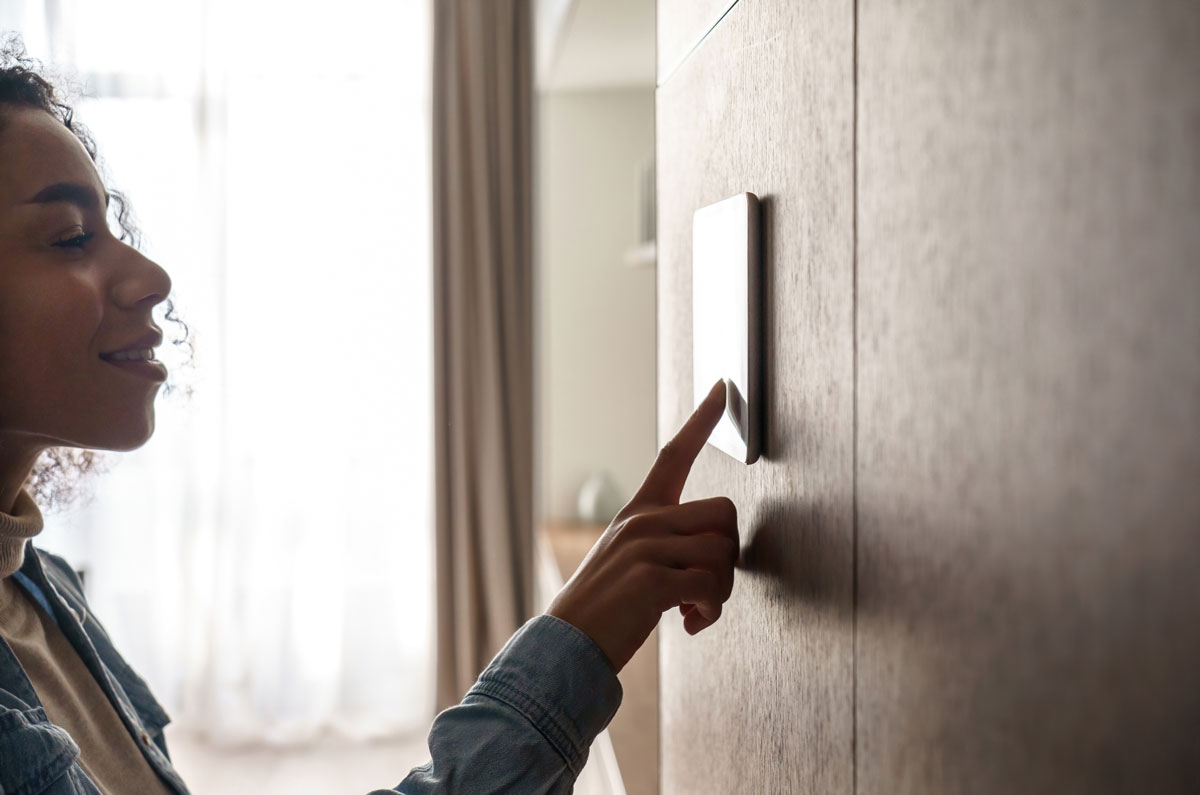
Upgrading your thermostat is one of the easiest ways to improve efficiency without sacrificing comfort. Smart and programmable thermostats allow you to automatically adjust temperatures based on daily routines, occupancy, or time of day.
Lowering heating overnight or when no one’s home reduces unnecessary energy use. Over time, these small adjustments add up to meaningful savings while keeping the house comfortable when it matters most. Many smart systems also provide insights into power use, making it easier to manage costs without constant monitoring.
Improve Window and Door Performance
Windows and doors are common sources of heat loss in winter and unwanted heat gain in summer. Replacing older single-glazed windows with double glazing or thermally efficient alternatives can significantly improve comfort and insulation.
If replacement isn’t practical, smaller upgrades still help. Sealing gaps, installing door snakes or draught excluders, and using heavier curtains or thermal blinds can reduce cold air intrusion and limit temperature swings. These measures work best when combined with good insulation and draught sealing.
Optimise Water Heating Efficiency
Water heating is one of the largest energy expenses in many homes. A simple first step is checking the temperature setting—around 60 °C at the cylinder (or 50 °C at outlets with tempering valves) is generally sufficient and avoids unnecessary energy use.
Insulating older hot water cylinders and exposed pipes can reduce heat loss, particularly in garages or outdoor installations. If you’re replacing a system, high-efficiency electric or heat-pump water heaters use significantly less energy than traditional options and provide reliable performance over time. Even modest improvements can deliver steady savings year after year.
Upgrade Lighting and Appliances
Switching to LED lighting is one of the quickest and most cost-effective energy upgrades available. LEDs use far less electricity than halogen or incandescent bulbs and last much longer, reducing both power use and replacement costs.
When appliances need replacing, choosing high energy-rated models can also make a noticeable difference. Efficient fridges, washing machines, and dishwashers are designed to use less electricity and water without compromising performance. While the upfront cost may be higher, the long-term savings often outweigh the initial investment.
Use Landscaping to Support Efficiency
The area around your home can influence how it handles heat and cold. Strategically placed trees can provide shade in summer while allowing lower winter sun to warm the house, reducing cooling needs and improving comfort.
Hedges or shrubs can act as windbreaks, helping block cold southerly winds that increase heat loss. Over time, thoughtful landscaping creates a more stable microclimate around your home—delivering energy savings alongside improved street appeal.
A home that uses energy wisely isn’t just cheaper to run—it’s warmer in winter, cooler in summer, and better suited to everyday living.