
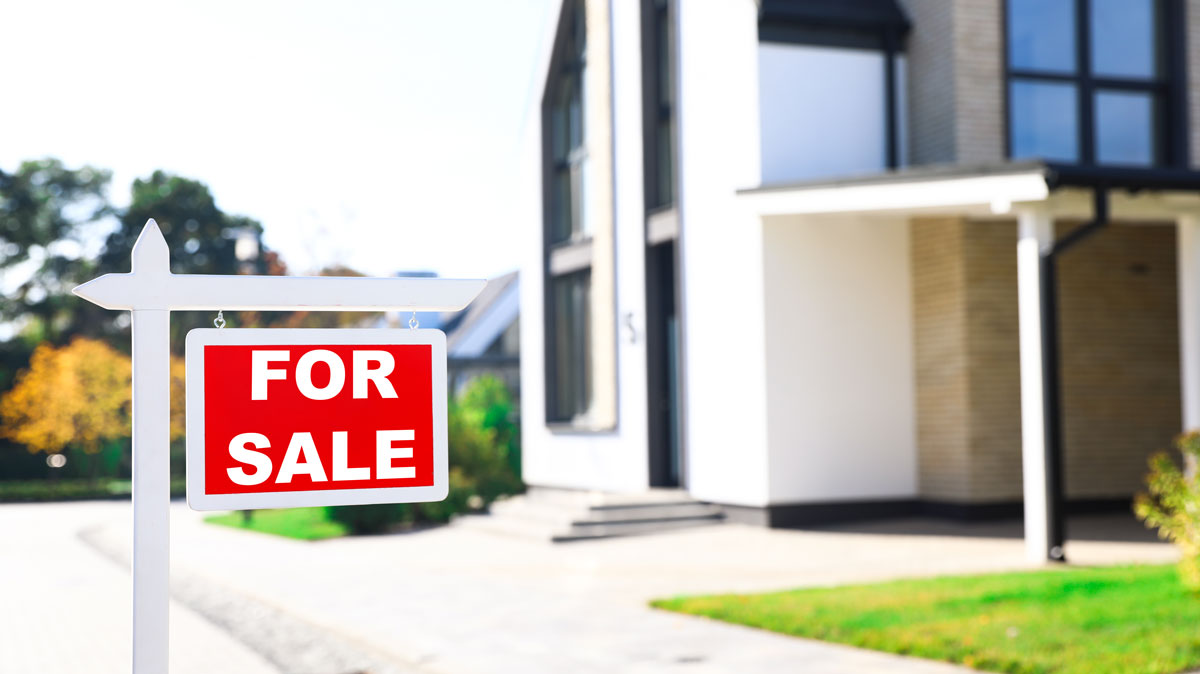
Selling a home involves many decisions, but few matter as much as pricing. The price you choose influences how buyers perceive your home, how long it stays on the market, and ultimately how smoothly the sale unfolds. A well-priced home tends to attract attention, inspire confidence, and create momentum. A poorly priced one can sit quietly, even if it has strong features.
Spring is often a popular time for buyers to look, which makes pricing especially important. More listings usually mean more competition, and buyers have plenty of information at their fingertips. Setting the right price from the start helps your home stand out for the right reasons.
Why Pricing Gets So Much Attention
When a home first comes on the market, it gets the most visibility. Buyers who have been watching closely notice new listings right away. If the price feels reasonable compared to similar homes, they’re more likely to schedule a showing or make an offer.
When a home is priced too high, many buyers won’t even take a second look. They assume it’s out of step with the market or that the seller isn’t flexible. Over time, a listing that lingers can start to feel overlooked, and price reductions may be needed to regain interest.
Pricing too low can also cause problems if it isn’t intentional. While it may create activity, there’s no guarantee that buyers will compete enough to push the price higher. The goal is to find a price that reflects market reality, not emotion or guesswork.
Start With Your Local Market
Real estate is local. What works in one neighborhood or city may not apply in another. Before settling on a price, take time to understand what’s happening nearby.
Look at how many homes similar to yours are for sale and how quickly they’re selling. If listings move fast and inventory is limited, sellers may have more flexibility. If homes are sitting longer, buyers may be more selective, and pricing accurately becomes even more important.
Pay attention to “days on market,” which refers to how long homes typically take to sell. Also notice whether homes are selling close to their list price or after reductions. These details offer insight into buyer behavior and expectations in your area.
Spring often brings more activity, but it also brings more competition. Pricing with awareness of local conditions helps your home compete effectively.
Use Data, Not Emotion
It’s natural to feel attached to your home. You’ve likely invested time, money, and memories into it. But buyers don’t share that history. They focus on size, condition, location, and price.
This is where comparable sales – often called “comps” – become essential. Comps are recently sold homes that are similar to yours in size, layout, age, and location. They show what buyers have actually paid, not what sellers hoped to get.
When reviewing comps, focus on:
- Homes sold recently, not years ago
- Properties in the same neighborhood or nearby
- Similar square footage and number of bedrooms
- Comparable condition and updates
Active listings also matter. These homes are your direct competition. If several similar homes are priced lower, buyers may choose them first.
Online home value estimates can be a useful reference, but they don’t always capture details like upgrades, views, or condition. Treat them as one data point, not a final answer.
If you want a more precise opinion, a real estate professional can provide a comparative market analysis, or you can consider a professional appraisal for an unbiased valuation.
Think Strategically About the List Price
Pricing isn’t just math; it’s also strategy. Buyers tend to search within price ranges, such as “up to $400,000.” Pricing just below a common threshold can make your home visible to more buyers.
For example, a home priced at $399,000 may appear in more searches than one priced at $405,000, even if the difference seems small. Clean, intentional pricing also signals confidence.
Some sellers consider pricing slightly below market value to attract more interest. This can work in areas with strong demand, but it’s not risk-free. Without competition, underpricing may simply result in a lower sale price. This approach should be used thoughtfully and with a clear understanding of local conditions.
Pricing significantly above market value generally reduces interest. Buyers today compare listings carefully and are quick to move on if a home feels overpriced.
Account for Features—But Stay Realistic
Upgrades and unique features can support a higher price, but only if buyers value them. Renovated kitchens, updated systems, additional living space, and desirable locations often matter. Highly personal features may not.
Ask yourself how your home compares to others a buyer might consider. Does it offer something clearly better, or is it fairly similar? Pricing should reflect that comparison honestly.
Be Ready to Adjust
Even with solid research, pricing isn’t set in stone. Once your home is on the market, pay attention to feedback and activity. If showings are limited or buyers consistently comment on price, it may be time to reconsider.
Making a thoughtful adjustment early can be more effective than waiting. The longer a home sits, the harder it can be to regain momentum.
Staying flexible doesn’t mean you’ve failed—it means you’re responding to real-world signals.
Keep the Bigger Picture in Mind
Pricing your home is about more than maximizing a number. It’s about timing, lifestyle goals, and what comes next. A smooth sale at a fair price can provide clarity and peace of mind, especially during a transition.
By grounding your decision in data, understanding your local market, and approaching pricing strategically, you put yourself in a strong position. The right price builds trust with buyers and helps your home move forward with confidence—exactly what most sellers want from a spring sale.
The information provided in this blog is for general informational purposes only and is not intended as tax, legal, or financial advice. We are not tax professionals. Readers should consult their own tax advisor or accountant for guidance specific to their circumstances.