
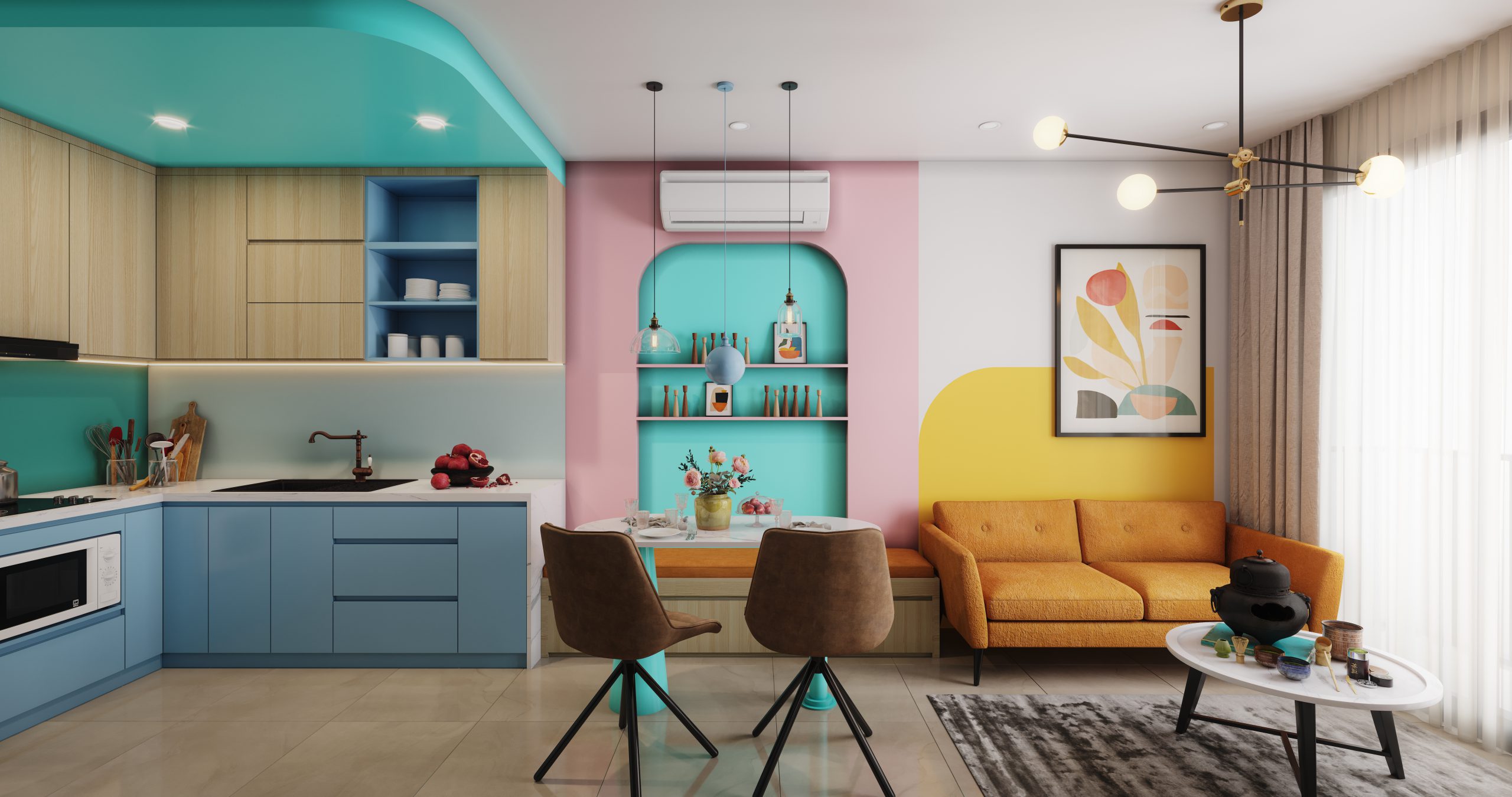
In real estate, we love the idea of minimalism and open spaces that make homes feel so much bigger than if they were cluttered with oversized furniture, undersized rugs and coffee tables.
While any buyer’s decision is, in part, based on the size of a property, it’s also influenced by the ease with which you can move around. A cluttered home feels small and insufficient.
So, interior designers’ predictions for 2026 of the “end of minimalism” need context if you’re an owner who’s considering selling this year. It may no longer be fashionable, but minimalism remains a key asset for sellers, especially when preparing a home for viewing.
For owners with the luxury of being able to follow fashion, interior designers say your home should become a “reflection of you”.
Gallery walls will make a comeback, and they should be more personal than ever, created with picture-perfect grids of matching frames. Use artifacts to reflect your own life and cultural heritage. Quirky, mismatched furniture that tells a specific story is welcomed, too.
Here are some ideas featured in recent articles:
Case for colourful stairs – Designers are talking about patterned runners and even risers with funky peel-and-stick designs on them. The idea is to make the stairs a fun centerpiece rather than something we tend to ignore.
Vintage bathrooms – Bathroom fashions come and go quickly. For 2026, designers are discussing the re-emergence of the vintage look with clawfoot tubs, brass fittings and the return of the (highly impractical) pedestal sink, which would be a throwback of 50 years and more.
Tile touches – Bland or neutral tiles for the kitchen backsplash are boring now. Bold is back , and designers are encouraging colourful tiles not just for the kitchen but bathrooms, laundry and even the fireplace.
Texture-maxxing – If the early 2020s were about smooth surfaces, 2026 is about engaging the senses. This trend moves beyond simple “layering” and into high-contrast tactile experiences. Mix materials like cork, lime wash and hemp with high-impact finishes of high-gloss plastic and brushed metal.
Wall-to-wall – 3D textures, such as sculptural wood paneling or textile wall hangings (tapestry prints), are also back.
Invisible technology – Smart home technology is no longer flashy or obvious; it’s hidden within the design. Invisible tech includes smart energy-monitoring panels hidden behind cabinetry and furniture with built-in, invisible wireless charging.