
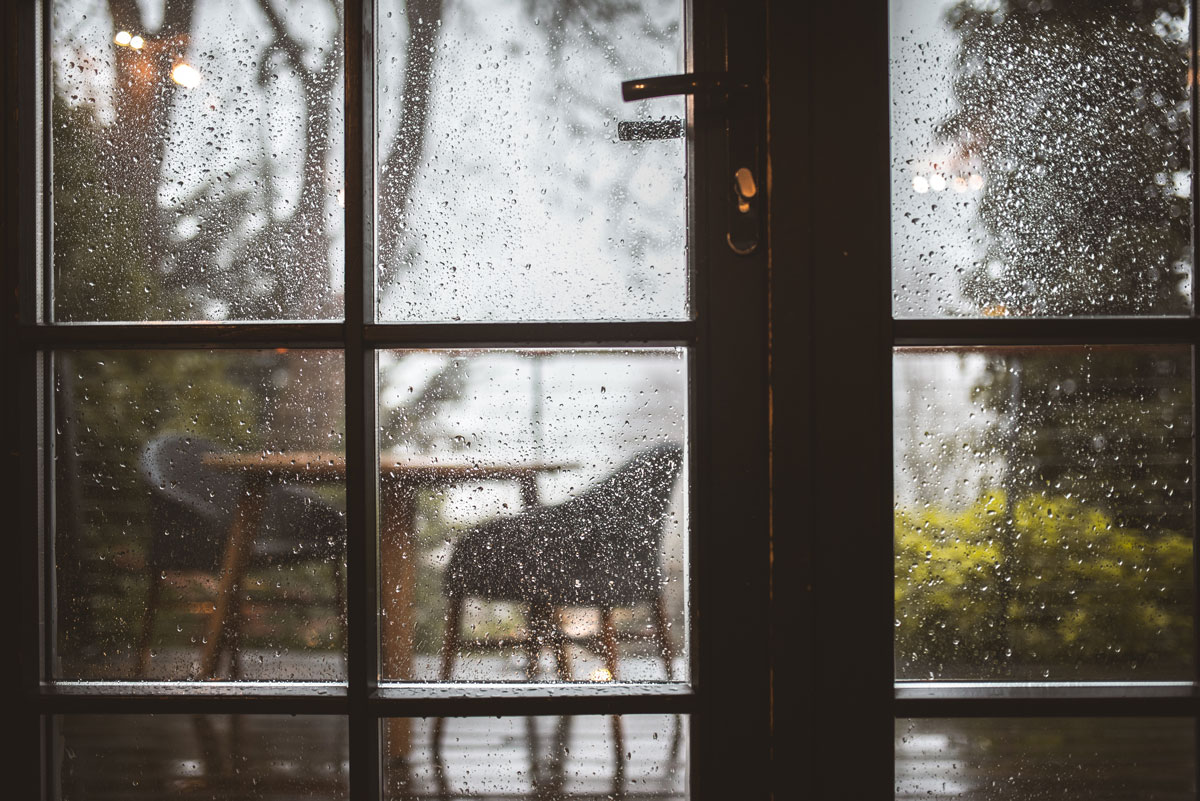
A home can look appealing in any season. Winter matters because it tests how a property performs when cold temperatures, rain, wind, shorter days and increased indoor living all arrive at once. Those conditions affect many of the same areas a professional building inspection covers, including the structure, exterior, roof, heating systems, ventilation, insulation and drainage. Common inspection concerns include water ingress, inadequate insulation, drainage issues and structural problems, which helps explain why winter observations can be so valuable.
Winter often reveals the lived experience of a home. A cold morning can show whether bedrooms stay comfortable without excessive heating. Heavy rain can reveal whether water moves away from the home or toward it. Long evenings indoors can help you assess whether the living spaces, heating performance and overall layout suit the way you actually live.
Cold Weather Puts Comfort to the Test
On a cold day, comfort depends on more than a heater running. Proper insulation, quality windows and doors, weather sealing and effective ventilation all help reduce heat loss and improve comfort. Poor insulation and uncontrolled draughts can make a home harder and more expensive to heat.
Condensation is another important clue. Excess moisture on windows, damp smells or persistent condensation can indicate problems with ventilation, insulation or moisture management. Left unchecked, excessive indoor moisture can contribute to mould growth and damage building materials.
Windows also play a major role in winter comfort. Older or poorly performing windows can allow significant heat loss, while modern glazing can improve energy efficiency and maintain more consistent indoor temperatures. Winter makes it easier to determine whether a bright living area remains comfortable throughout the day or becomes cold and draughty once the sun goes down.
Rain, Moisture and the Exterior
Winter rainfall can make drainage problems easier to spot. Building inspectors commonly assess surface drainage, gutters, downpipes and areas where water may pool around the property. Many moisture-related issues can be reduced by directing stormwater away from the home’s foundations and maintaining proper site grading.
Cool, wet weather also reveals how well exterior materials are holding up. Timber expands and contracts as moisture levels change, affecting paint performance and increasing vulnerability to decay. Winter can make peeling paint, soft timber, damp odours or deteriorating decking and fencing more noticeable.
If moisture is getting where it shouldn’t, early detection is important. Moisture control remains one of the most effective ways to prevent mould growth and long-term damage. Winter doesn’t create every moisture problem, but it often makes them easier to identify.
The Neighbourhood Becomes Easier to Read
A home is never just the home itself. Buyers should consider traffic, noise, parking, nearby businesses, recreation, schools and convenience to everyday destinations. Long-term satisfaction often depends as much on the surrounding area as on the property.
A winter visit can be especially revealing because it shows how the neighbourhood functions under everyday conditions. It becomes easier to assess street lighting, drainage, traffic during darker evenings, parking availability and how comfortable outdoor spaces remain during cooler weather. Maintenance issues around neighbouring properties may also become more noticeable after periods of rain.
A Simple Winter Walk-Through
A practical way to evaluate a home in winter is to focus on four areas: comfort, moisture, wear and surroundings. This is not a replacement for a professional building inspection, but it can help you understand how a property performs under real-world conditions.
- Comfort: Notice whether some rooms are significantly colder than others, whether you can feel draughts near doors or windows, and whether the home remains comfortable without excessive heating.
- Moisture: After rain, look for pooling water near the foundations, overflowing gutters, downpipes that discharge too close to the home, condensation on windows or damp odours in enclosed areas.
- Wear: Check paintwork, trim, decking, fencing and exposed timber where moisture exposure is highest. Peeling surfaces, soft spots and visible rot may indicate maintenance needs beyond simple cosmetic repairs.
- Surroundings: Pay attention to traffic, noise, drainage, street lighting, parking and how outdoor areas function during wet or cold weather. These factors often influence daily enjoyment more than buyers initially expect.
The Real Lesson of a Winter Inspection
Winter cannot tell you everything, and no season can. A professional building inspection documents visible conditions and defects present at the time of the inspection, but everyday observation still has value.
Winter is useful because it answers a simple question: how does this home perform when it is being fully lived in during the coldest, wettest part of the year?