
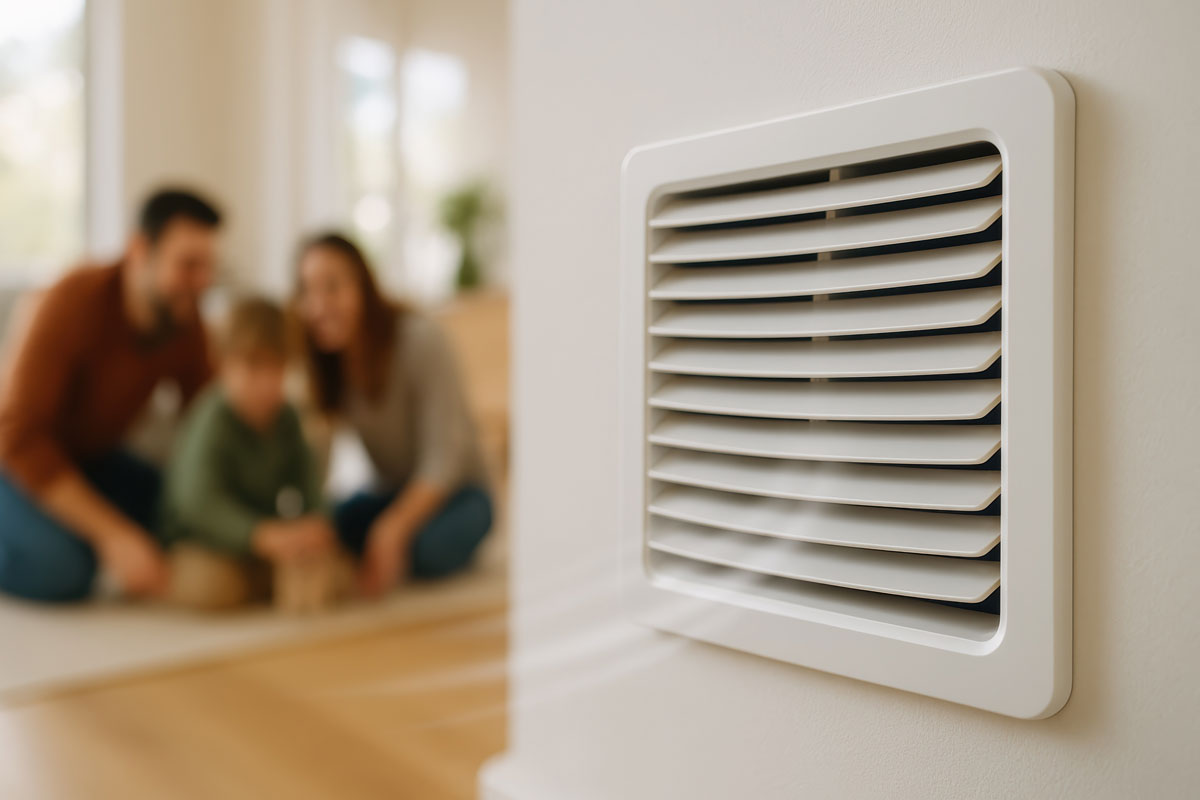
A home can look beautiful and still feel uncomfortable. Maybe the living room is drafty, the upstairs never cools down, or the bathroom stays damp long after a shower. Those problems affect daily life far more than cabinet colors or tile choices.
Comfort Is More Than Temperature
When people describe a home as comfortable, they usually mean more than warmth or coolness. They mean consistent temperatures, cleaner air, healthy moisture levels, and spaces that are easy to use.
Americans spend about 90 percent of their time indoors and that some indoor pollutants can be found at levels two to five times higher than typical outdoor concentrations. Insulation, air sealing, and moisture control all affect energy efficiency, health, and comfort.
In other words, comfort is not a luxury feature. It is a core part of how a home functions.
The Most Valuable Improvements Are Often Invisible
Many of the upgrades that have the biggest impact on comfort are the ones visitors never notice. Air sealing, weatherstripping, insulation upgrades, and improved windows can reduce energy use while making indoor temperatures more consistent. Proper kitchen and bathroom ventilation is equally important because it helps remove excess moisture and odors.
That is why projects such as attic insulation, draft sealing, and ventilation upgrades often improve daily living more than cosmetic changes. Paint can change how a room looks, but it will not fix a cold bedroom or a damp bathroom.
Health and Comfort Go Hand in Hand
A comfortable home is often a healthier home. Reduce pollution sources when possible, improve ventilation, and use appropriate filtration.
Moisture control is especially important. Controlling moisture is the key to preventing mold and recommends drying water-damaged areas within 24 to 48 hours whenever possible.
Many of the most effective comfort improvements sound unremarkable: fixing a leak, venting a bathroom fan outdoors, upgrading an air filter, or testing for radon. Yet these improvements can make a home feel cleaner, safer, and more stable every day.
Function Lasts Longer Than Fashion
Style matters, but style changes. Paint colors, fixtures, and finishes often reflect personal taste and trends. By contrast, improvements that make a home quieter, drier, safer, and easier to heat and cool tend to remain valuable over time.
Homeowners ranked functionality and livability above beauty and aesthetics as the most important outcomes of remodeling projects. Buyers are also less willing to overlook maintenance and condition issues than they once were.
This does not mean design is unimportant. It means design works best when the fundamentals are already in place. Attractive finishes cannot compensate for stale air, uneven temperatures, or ongoing comfort problems.
Comfort Includes Ease of Use
Comfort is also about how a home supports everyday activities. Features such as better lighting, handrails, grab bars, and the removal of trip hazards to reduce fall risks can be key.
These features benefit more than older adults or people with disabilities. A brighter stairway helps when carrying laundry. A sturdy handrail can be invaluable during recovery from an injury. A step-free entry makes daily tasks easier for almost anyone.
In that sense, accessibility is not just a specialized concern—it is a long-term comfort strategy.
Choosing the Right Upgrade
A simple rule can help prioritize home improvements: solve recurring problems before pursuing cosmetic updates.
Ask what issue comes up repeatedly. Is a room always too hot? Does the basement feel damp? Is the entryway poorly lit? Then consider whether the improvement will reduce the effort, cost, or frustration required to live comfortably in the home.
Projects that improve comfort, performance, and usability tend to provide value regardless of changing design trends. They make daily life easier, which gives them lasting relevance.
Final Thoughts
Aesthetic upgrades can make a home look fresh, but comfort upgrades make a home work better. They support cleaner air, steadier temperatures, healthier moisture levels, easier movement, and better overall livability. They also continue delivering benefits long after trends change.
Comfort is not separate from good design—it is the foundation that allows good design to succeed. That is why comfort-focused improvements often provide more lasting value than purely aesthetic ones.