
Why Warm Weather Matters
Even if you’re not buying or selling, warm weather can reveal a lot about how a home is built and maintained. Heat, strong sunlight, humidity, and sudden summer storms all place stress on a house. Roof surfaces can become extremely hot on sunny afternoons, while windows, doors, and skylights allow heat to enter through solar radiation, conduction, and air leakage. In many ways, warm weather acts as a real-world durability test.
A home that performs well during warm conditions often feels more comfortable year-round, manages moisture effectively, and places less demand on cooling systems. That makes summer performance a useful indicator of long-term durability.
The Building Envelope Tells the Story
The building envelope includes the roof, walls, foundation, windows, doors, and floors—the components that separate indoor and outdoor environments. Heat can move through any of these areas, particularly where materials meet and gaps develop.
Warm weather often exposes weaknesses first. Brick, concrete, and other masonry materials can crack as they expand and contract with changes in temperature and moisture. Sealants gradually deteriorate under exposure to sunlight, rain, and seasonal weather extremes, highlighting a simple reality: the materials that keep air and water out eventually wear down.
Small gaps around windows, doors, vents, and exterior trim can have a surprisingly large impact. Reducing air leakage improves comfort, energy efficiency, durability, and indoor air quality. Caulking and weatherstripping require periodic maintenance because they are not permanent solutions.
Start with the Roof and Attic
When sunlight heats a roof, much of that heat transfers into the attic space. That is why the roof-and-attic system deserves attention, particularly during the summer months.
Keep attics dry, properly ventilated, insulated, and sealed from unwanted air movement. Moisture problems in attics can damage roofing materials, reduce insulation performance, and contribute to issues throughout the home.
Common warning signs include worn roofing materials, peeling paint near soffits and fascia, damp insulation, or signs of mould and mildew. Poor attic ventilation can allow moisture to accumulate and damage wood framing. Sealing and insulating ducts that run through attics or crawlspaces can also improve energy efficiency.
The broader lesson is that roofs do more than keep rain out. Roofing materials, attic ventilation, insulation, and mechanical systems work together as a whole. When one component falls behind, warm weather often makes the problem easier to identify.
Moisture Remains the Biggest Threat
Even during hot weather, moisture remains one of the leading causes of home deterioration. Condensation on windows, walls, or pipes can indicate excessive indoor humidity.
Moisture may come from humid outdoor air, roof leaks, drainage problems, plumbing issues, or cooling equipment that is not functioning properly. That is why water management is such an important part of home durability.
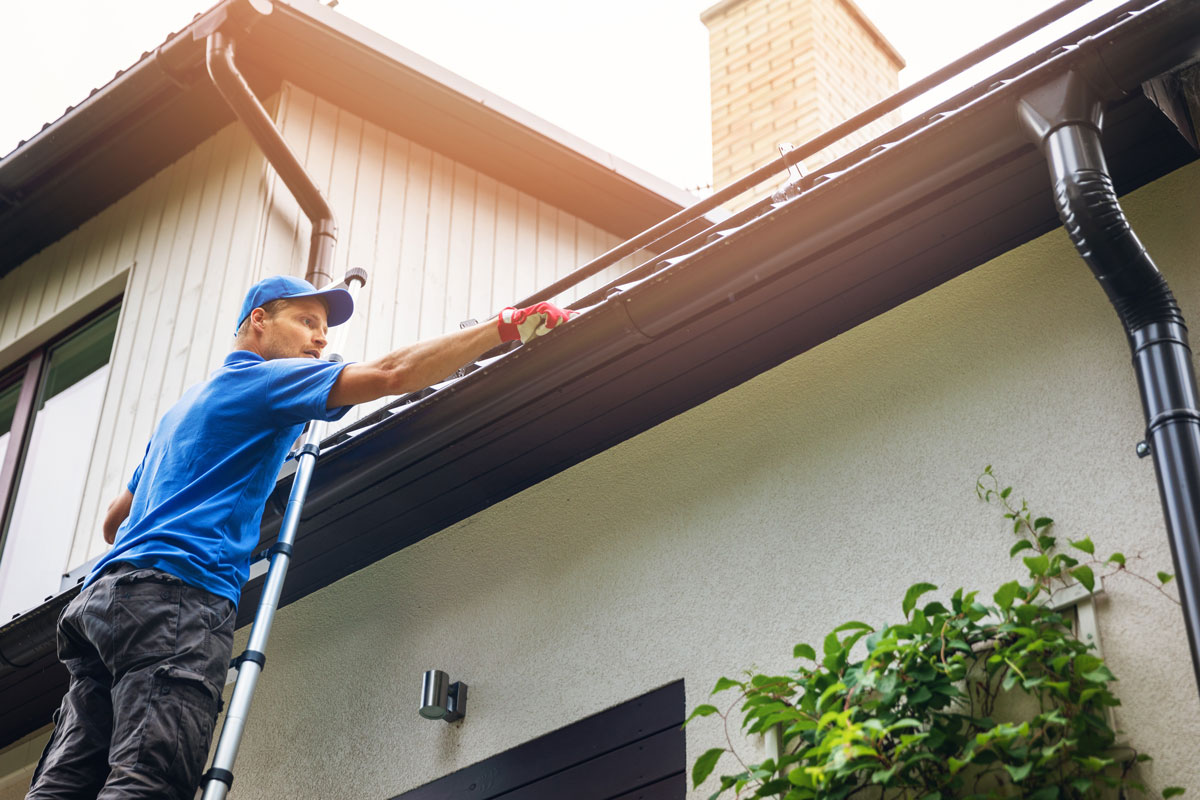
Ensure the ground slopes away from the home, direct downspouts away from the foundation, keep eavestroughs clear, and verify that drainage systems are functioning properly. Homes that shed water effectively generally age better than those that trap moisture.
In some regions, soil conditions can create additional challenges. Expansive clay soils found in some areas can swell and shrink as moisture levels change, potentially affecting foundations. Proper drainage and careful landscaping become especially important in these areas.
Cooling Systems and Landscaping Matter Too
Cooling equipment contributes to durability as much as comfort. Dirty coils reduce efficiency, clogged condensate drains can lead to water damage, and neglected filters can shorten equipment life.
Effective summer comfort is not just about air conditioning. Insulation, energy-efficient windows and doors, ventilation, and strategic shading all help reduce heat gain. The best-performing homes rely on several complementary strategies working together.
Landscaping also plays a role. Deciduous trees can provide valuable shade during the summer while allowing sunlight through in the winter, helping moderate indoor temperatures naturally.
At the same time, keep vines and moisture-retaining shrubs away from exterior walls, and trim trees regularly to prevent debris buildup and physical wear on the home. Good landscaping should protect the structure rather than contribute to maintenance issues.
What to Remember
Durable homes rarely depend on a single product or upgrade. Instead, they rely on balance: a sound roof, a dry and ventilated attic, well-sealed joints, controlled humidity, maintained mechanical systems, and effective drainage.
Summer conditions often reveal how well these systems work together. Addressing small issues before they become larger problems can improve comfort, protect the home’s structure, and support long-term performance in any season.
The information provided in this blog is for general informational purposes only and is not intended as tax, legal, or financial advice. We are not tax professionals. Readers should consult their own tax advisor or accountant for guidance specific to their circumstances.