
Summer has a way of exposing a home’s habits. On a mild day, small weaknesses can stay hidden. In heat, humidity, sudden downpours, and periods of heavier air-conditioning use, those same weaknesses become easier to spot. Roofs face relentless ultraviolet exposure and significant temperature swings. Air leakage, moisture control, ventilation, and durability are all closely connected.
That makes summer a useful season for homeowners, even if you’re not planning to buy or sell. A home that stays dry, comfortable, and manageable during the hottest months usually has the fundamentals working together: the roof sheds water effectively, the lot directs runoff away from the foundation, the cooling system keeps up with demand, and the building envelope helps limit unwanted heat and moisture.
Heat and Sun Reveal the Exterior
Summer heat accelerates wear that homeowners can actually see. Roofs endure daily UV exposure, and surface temperatures can climb well above 65°C. Repeated heating and cooling cycles can contribute to granule loss, curling, and other signs of aging on asphalt shingles.
Look for cracked caulking around windows and doors, brittle sealants, peeling paint, warped trim, worn weatherstripping, and loose flashing. Air leakage through cracks and openings affects comfort, energy efficiency, moisture control, and long-term durability.
The lesson is simple: small exterior issues rarely stay small. Open seams, worn protective materials, and deferred maintenance create opportunities for water intrusion and energy loss.
Water Still Determines Longevity
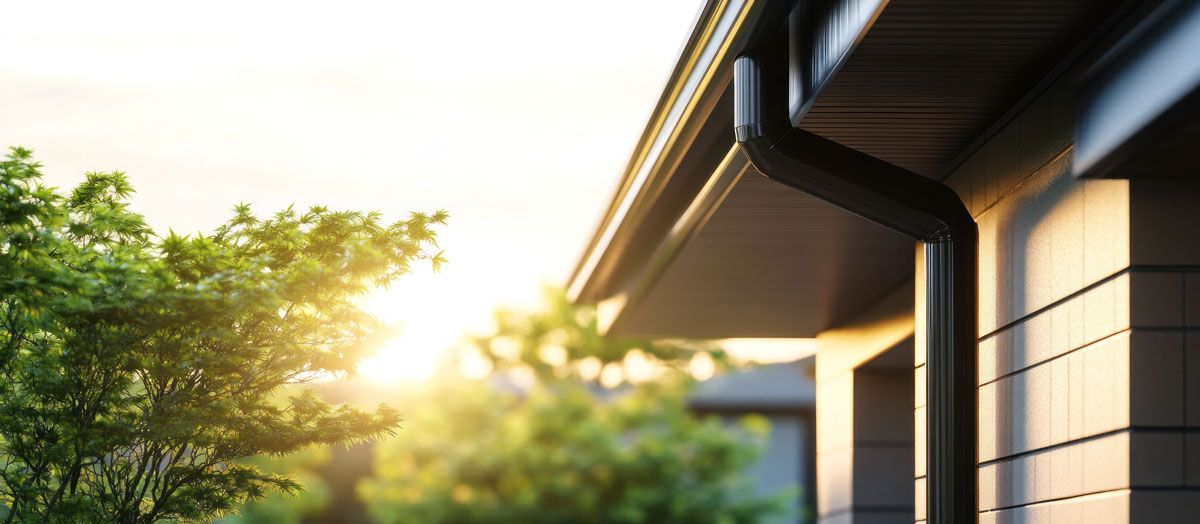
If summer teaches one lesson, it’s that water management matters more than many homeowners realize. Mold prevention starts with moisture control. Wet materials should be dried quickly, eavestroughs should be maintained, and the ground should slope away from the foundation.
Even a brief summer thunderstorm can reveal problems. Many basement moisture issues stem not from structural failure, but from poor grading, clogged or damaged eavestroughs, or humid outdoor air condensing on cooler surfaces.
Watch for overflowing eavestroughs, standing water, splash marks near the foundation, musty basement odours, condensation, or peeling finishes on lower walls. Keep eavestroughs and downspouts clear and ensure runoff is directed well away from the home. Maintain air-conditioning drain lines and drip pans, and keep indoor relative humidity below 60%, ideally between 30% and 50%.
Comfort Is a Maintenance Signal
A home that struggles to stay comfortable during hot weather is often providing useful information. Cooling performance depends on more than the air conditioner. Insulation, air sealing, windows, shading, and ventilation all influence how hard a cooling system must work.
Pay attention to patterns, not just thermostat settings. Regular HVAC maintenance—including filter changes, coil cleaning, condensate drain upkeep, and keeping outdoor units free of debris—helps systems perform efficiently. Dirty filters reduce airflow, increase strain on equipment, and can shorten system lifespan.
In many regions, summer is also a good time to assess how well a home will perform during the next heating season. Weak insulation, air leaks, and moisture issues often become apparent year-round, not just during periods of extreme cold.
The Lot Matters Too
Property longevity is shaped by what happens outside the walls. Trees and landscaping can reduce solar heat gain and help moderate surrounding temperatures. Properly placed shade trees can make outdoor spaces more comfortable while reducing heat stress on the home.
Good landscaping should support the property, not compete with it. Overhanging branches, trapped debris, blocked drainage paths, and vegetation pressed against the structure can shorten the life of exterior materials or create conditions that attract pests. Keep tree limbs away from the roof and remove debris regularly.
Regional conditions also matter. Whether a property faces coastal moisture, Prairie heat and wind, freeze-thaw cycles, heavy snowfall, or seasonal wildfire smoke, local climate conditions influence how a home ages over time.
A Simple Framework for Longevity
When evaluating a home’s long-term performance, focus on four areas:
- It sheds water well. Roofs, eavestroughs, flashing, grading, and drainage should move water away from the structure.
- It controls heat well. Shading, insulation, windows, doors, and air sealing should support consistent indoor comfort and energy efficiency.
- It manages air and humidity well. Ventilation, moisture control, and routine maintenance help protect indoor air quality and building materials.
- It fits its site well. Climate, lot conditions, and regional weather hazards all influence how a home performs over time.
Homes tend to age well when owners address small issues early and view maintenance as ongoing stewardship rather than emergency repair.
The Lasting Lesson
The biggest thing summer teaches about property longevity is that durability is rarely about one dramatic feature. It’s about consistent performance. A long-lasting home sheds water predictably, handles heat efficiently, controls humidity, and works with its site rather than against it.
That kind of resilience isn’t flashy, but it makes a home easier to live in, easier to maintain, and more likely to hold up well over time—regardless of the season.