
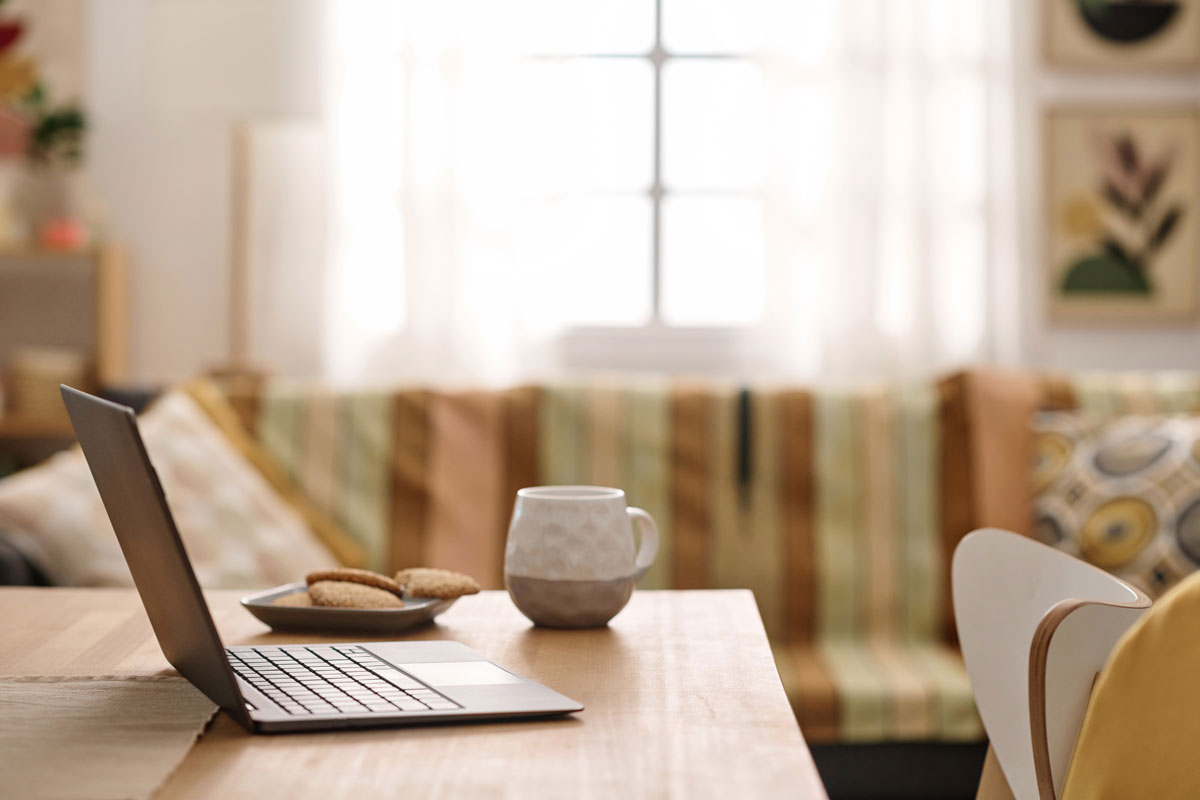
Winter has a way of revealing how a home truly functions. When the weather turns cooler, people naturally gravitate toward spaces that feel warm, comfortable and practical: the living room with good heating, a kitchen that supports easy meals, or a well-insulated area that gets natural light during shorter days. At the same time, other spaces often sit unused—a formal sitting room, a spare room filled with storage, or an outdoor area that sees less use during colder, wetter weather.
That pattern matters. Builders and real estate professionals consistently show strong demand for practical storage, flexible rooms, and homes that support everyday living—not just more square metres. It also matters because unused space is rarely free. The ongoing costs of homeownership go well beyond the mortgage to include council rates, insurance, maintenance, repairs and energy bills—all of which are influenced by a home’s size and efficiency. Energy use for heating in particular tends to rise with larger homes, especially when rooms aren’t used regularly.
The rooms winter puts to the test
Cooler weather highlights a simple truth: you may not need every room you have, but you do need the right kinds of space. Indoor areas take centre stage, and how well they function becomes more obvious. A home that feels warm, connected and efficient will naturally feel more liveable, while disconnected or rarely used rooms can feel like wasted space.
When more time is spent indoors, it becomes easier to see which areas support daily routines—and which ones don’t. This doesn’t mean larger homes are inherently inefficient or smaller homes are always better. Instead, winter acts as a kind of stress test. If daily life consistently centres on just a few areas, that suggests layout, flow and comfort matter more than total room count.
Current buyer preferences reflect this shift. Many are prioritising multifunctional “flex spaces,” good insulation, and efficient heating because they want homes that adapt to real life year-round—not just in ideal weather.
Function matters more than size
When people say they want “more space,” they often mean they want better functionality. Demand continues to centre around practical features: good storage, energy-efficient windows and appliances, functional laundries, covered outdoor areas, and flexible rooms that can serve multiple purposes.
These aren’t flashy upgrades, but they improve everyday living in meaningful ways. That’s why a smaller, well-designed home can outperform a larger one with underused rooms. Spaces that can adapt—whether for working from home, hosting guests, or relaxing—are especially valuable. A study or second living area that can double as a bedroom often proves more useful than a formal room that rarely gets used.
Winter helps clarify the difference between space that looks appealing and space that actually works. An extra room may be worthwhile if it’s used regularly. But if what you really need is better heating, smarter storage or more flexibility, simply adding space may not solve the problem.
Unused space still costs money
Extra space comes with ongoing costs. Larger homes require more cleaning, furnishing and maintenance, along with higher energy bills. Heating unused rooms can be particularly inefficient during winter.
Spare rooms also tend to become catch-all storage areas. Over time, clutter can reduce comfort and make a home feel less functional. While extra rooms can be useful, lightly used spaces often add more upkeep than value.
Financially, every room carries a cost. In practical terms, each space should justify itself by serving a clear purpose in daily life.
A simple rightsizing test
This is where the idea of rightsizing comes in. Rightsizing doesn’t necessarily mean downsizing. It means choosing a home whose size, layout and upkeep match how you actually live—now and into the future.
A few simple questions can help:
- Where does daily life happen? The spaces you use most often reveal what matters.
- What is used regularly versus occasionally? Frequent use usually signals real value.
- Can spaces serve multiple purposes? One flexible area may replace several underused rooms.
- What about the future? Consider how your needs might change over time.
This applies whether you’re buying your first home, upsizing, investing, or thinking about a change after many years in the same place. The goal isn’t less space—it’s the right space.
Space that works later usually works better now
Long-term usability matters more than many people expect. Features that make a home easier to live in over time—such as low-maintenance materials, fewer stairs, or a bathroom on the main level—also make everyday life more convenient right now.
These elements help whether you’re carrying groceries, hosting visitors, working from home, or simply trying to stay comfortable through the colder months.
The takeaway
Winter doesn’t tell you to give up space or change your lifestyle. It simply reveals which parts of your home support daily living—and which ones add cost, maintenance or clutter without much return.
If your winter routine shows that most of life happens in a handful of well-used spaces, that’s valuable insight. In the long run, the most satisfying home isn’t the one with the most space. It’s the one where layout, comfort, cost and future usability are in balance—and where the space you pay for is space you genuinely use and enjoy.
The information provided in this blog is for general informational purposes only and is not intended as tax, legal, or financial advice. We are not tax professionals. Readers should consult their own tax advisor or accountant for guidance specific to their circumstances.