
A new home can feel simple on move-in day and surprisingly complex a few months later. A room that feels bright in mild weather may overheat in late afternoon sun. A yard that looks low-maintenance in dry conditions may collect water after a storm. Even the cost of living in the home can shift as heating, cooling, irrigation, and upkeep change with the seasons. That is why seasonal planning matters: in U.S. homes, more than half of annual household energy use goes to heating and air conditioning, and a home energy assessment can help owners understand energy use, comfort, and safety as a whole.
The good news is that seasonal planning does not require perfect foresight. It mostly requires a steady way to observe the home, track patterns, and prepare for recurring tasks before they become costly surprises. Whether the home is newly built or simply new to you, a year-round plan can make it easier to live in, maintain, and trust.
See the Home as a Four-Season System
It helps to think of a home as more than a floor plan. It is a system that responds to sun, wind, temperature, moisture, and how people use it. Start by walking the property inside and out with that in mind. Notice where the strongest sun hits, which rooms stay warmer or cooler, where drafts appear around doors and windows, and how water moves after rain. Check for air leaks around doors, windows, and utility penetrations, and make sure the ground slopes away from the foundation so water does not pool near the house.
As you do this walkthrough, build a simple home file. Save appliance manuals, filter sizes, paint details, warranties, and notes on shutoff valves, exterior materials, and service dates. Regular inspections and manufacturer care guides are practical sources for maintenance and repair information. Good records turn seasonal upkeep from guesswork into routine.
Let the First Year Teach You
If the home is new to you, avoid trying to “fix” everything right away. Some of the most important patterns only show up over time: glare during long summer afternoons, condensation during humid or cold periods, leaf buildup in gutters, or damp spots that appear only after heavy rain. Aim to keep indoor humidity between 30 and 50 percent and address water issues quickly to reduce the risk of mold.
A simple seasonal log can help. Track utility bills, note which rooms feel drafty or stuffy, take photos after storms, and write down recurring inconveniences. Comparing water bills over time can help identify leaks, and modern leak-detection devices can alert you to unusual water use or moisture—especially helpful for frequent travelers or rental property owners.
Build a Seasonal Maintenance Rhythm
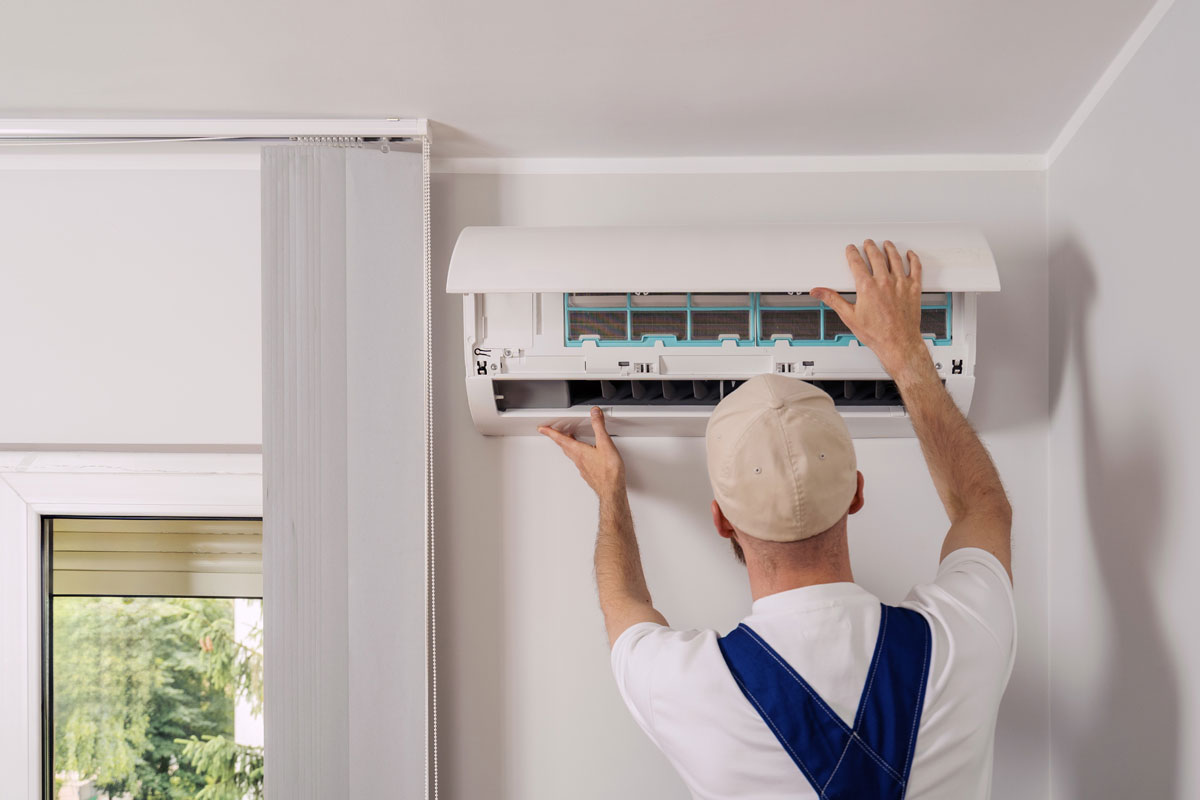
The most effective plan is usually a repeating calendar. Inspect the house and yard at least twice a year—quarterly is even better. Schedule yearly HVAC service and replace filters regularly. Neglecting maintenance can reduce system performance and increase energy use. Set reminders for tasks like filter changes, exterior caulking checks, and plumbing inspections before issues arise.
Do not forget the exterior. Gutters protect windows, doors, and foundations by directing water away from the house, so clean them at least twice a year, or more often in areas with heavy trees or storms. If you have irrigation, check for leaks, overspray, and signs of over- or under-watering, and adjust schedules as seasons change. Poorly maintained systems can waste significant amounts of water.
Budget for Seasonal Costs, Not Just Monthly Bills
A seasonal plan works best when paired with a realistic budget. Many homeowners are surprised by the true cost of ownership, which includes not just mortgage, taxes, and insurance, but also maintenance, repairs, and utilities. Because heating and cooling are major expenses, utility costs often rise and fall with the weather. A good budget accounts for those swings instead of treating them as emergencies.
It also helps to separate predictable seasonal costs from true surprises. Set aside funds for routine maintenance and unexpected repairs as the home ages. This can cover yard care, filter replacements, HVAC service, weatherproofing, or equipment like a dehumidifier. Small issues—like a leaking faucet or irrigation problem—are easier to handle when they are expected expenses rather than sudden disruptions.
Plan for Safety and Daily Routines Together
Seasonal planning is not only about protecting the structure—it is also about making daily life easier. Think ahead about how the home functions in different conditions: where wet shoes and coats go, whether outdoor areas need shade, how easy it is to carry groceries in during bad weather, and whether the yard is manageable during busy seasons.
Different households have different priorities. Lower-maintenance features may matter more for downsizers, retirees, or frequent travelers, while storage and traffic flow may matter more for growing households. A useful plan reflects how people actually live, not just how a home looks.
Safety should be part of that routine. Test smoke alarms monthly and replace them every 10 years. Install alarms on every level and near sleeping areas, along with carbon monoxide detectors. Practice a fire escape plan twice a year and make sure household members know at least two ways out when possible. Keep an emergency kit tailored to your household’s needs, especially if you have children, pets, or medical considerations.
A Simple System Brings Predictability
You do not need to predict every quirk of a home to manage it well. What matters is having a simple system: observe the house through different conditions, keep up with routine maintenance, budget for changing costs, and shape the home around how you live. When you do that, the seasons stop feeling like interruptions and become part of a rhythm you already know how to handle.
The information provided in this blog is for general informational purposes only and is not intended as tax, legal, or financial advice. We are not tax professionals. Readers should consult their own tax advisor or accountant for guidance specific to their circumstances.