
Why This Matters
When people think about staying comfortable during hot weather, they often focus on one question: does the home have air conditioning? That matters, but it is only part of the story. Thermal comfort depends on several factors working together, including indoor air temperature, radiant heat from warm surfaces, humidity, and air movement.
That is why one home can feel consistently comfortable during a summer heat wave while another feels uneven, muggy, or stuffy—even with the thermostat turned down. Whether you are comparing homes, planning renovations, or simply trying to understand what makes a home comfortable, it helps to look at how the entire house manages heat rather than relying only on cold air coming from a vent.
Start With the Home’s Building Envelope
A good place to begin is the home’s “building envelope,” meaning the parts that separate indoors from outdoors: the roof, walls, insulation, windows, doors, and foundation. Evaluations focus heavily on these fixed features because they strongly affect both energy efficiency and year-round comfort. In simple terms, a strong envelope slows unwanted heat from entering the home before the cooling system has to work harder.
Look for signs the envelope may not be performing well. If upper floors feel noticeably warmer than the main level, or rooms near the roof heat up quickly in the afternoon, the attic and ceiling insulation may need improvement. Proper insulation helps reduce summer heat gain and maintain more even indoor temperatures, while air sealing limits drafts and improves comfort. The right insulation level depends on the region and climate zone.
Pay Attention to Windows, Sun, and Shade
Windows have a major impact on summer comfort because they allow solar heat into the home. Energy-efficient windows are rated for how much solar heat they transmit, often through a measurement called the solar heat gain coefficient (SHGC). Lower SHGC values generally reduce unwanted heat gain during the summer months.
South- and west-facing windows deserve special attention, particularly west-facing glass that receives strong afternoon sun. In many homes, rooms exposed to direct afternoon sunlight can quickly become uncomfortable during heat waves.
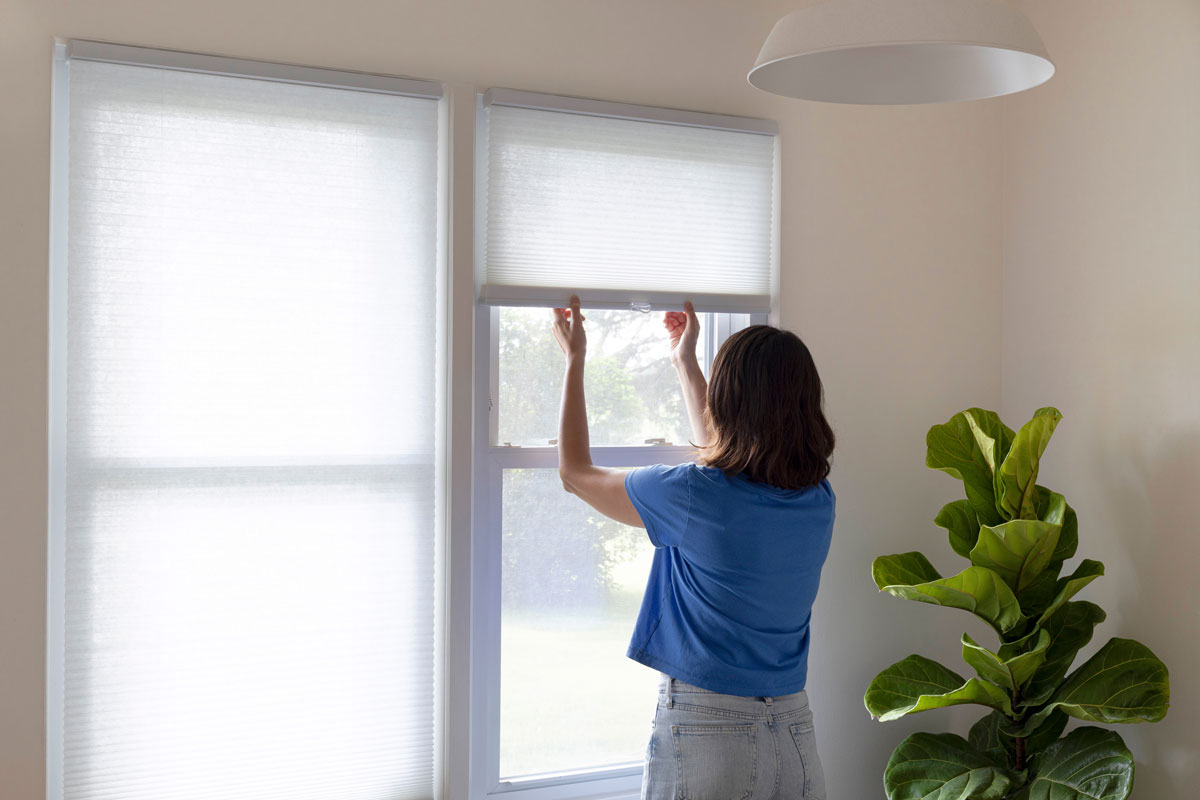
Shade is just as important as the windows themselves. Trees, awnings, roof overhangs, exterior blinds, and window coverings can significantly reduce indoor heat gain. Mature trees and landscaping can also help cool the surrounding area. If a room receives intense direct sun and has little shading, that is worth noting—even if the space feels acceptable during a brief showing.
Look Beyond the Thermostat at Cooling and Humidity
A cooling system should do more than provide a quick blast of cold air. Proper sizing and installation matter because oversized systems often cycle on and off too quickly. This can create uneven temperatures and poor humidity control. When a system cools the air too rapidly, it may not run long enough to remove excess moisture from the air, leaving the home feeling damp or clammy.
Humidity is a major part of indoor comfort, especially during humid summers. It is generally recommended to keep indoor humidity within a moderate range to reduce discomfort and help prevent mould growth. A simple humidity monitor can help determine whether a home feels genuinely comfortable—or whether cool air is simply masking excess moisture.
Check Whether Cool Air Reaches Every Room
Even an efficient HVAC system will struggle if cooled air is not distributed evenly throughout the home. In forced-air systems, leaks or poor duct connections can reduce efficiency and leave certain rooms uncomfortable.
During a walk-through, compare temperatures between the main floor, upstairs bedrooms, and rooms furthest from the furnace or air handler. Noticeable differences often point to airflow or distribution issues rather than a lack of cooling capacity.
It is also worth checking whether the home has ceiling fans, operable windows, and functioning bathroom and kitchen exhaust fans. Good ventilation helps reduce heat buildup, and ceiling fans can make occupants feel cooler through increased air movement, even though they do not actually lower the room temperature.
Use a Simple Comfort Checklist
One practical way to evaluate a home during warm weather is to focus on a few key questions:
- How much direct sunlight enters through the windows?
- Are upper floors significantly warmer than lower levels?
- Does the air feel dry and comfortable or damp and sticky?
- Do some rooms feel warmer than others?
- Does the home appear well insulated and properly shaded?
These observations reflect the main drivers of comfort: solar heat gain, insulation and air sealing, airflow, and humidity control.
For a more detailed assessment, a professional home energy evaluation can identify problem areas and prioritize upgrades. This evaluation may include blower door testing to measure air leakage and thermal imaging to detect heat gain around windows, walls, ceilings, and doors.
Comfortable Homes Leave Clues
Homes that stay comfortable during hot weather tend to share the same strengths: they limit unwanted heat, manage sunlight effectively, distribute cooled air evenly, and maintain healthy humidity levels. Looking for these qualities provides a far more reliable way to judge comfort than relying on the thermostat alone.
It also shifts the focus from first impressions to how a home will actually feel over time—which is what comfort ultimately comes down to.
The information provided in this blog is for general informational purposes only and is not intended as tax, legal, or financial advice. We are not tax professionals. Readers should consult their own tax advisor or accountant for guidance specific to their circumstances.