
Summer doesn’t cause most home problems. It exposes them.
A house that feels comfortable in mild weather can feel very different once summer heat arrives, daylight lasts longer, and daily routines shift. The upstairs gets stuffy by late afternoon. The bathroom stays damp after showers. The air conditioner runs constantly, but one bedroom never quite cools down.
Those patterns matter. Space heating still accounts for the largest share of household energy use overall, but during warmer months, cooling systems, ventilation, and moisture control can reveal weaknesses in how a home performs. Water heating also remains a major energy expense in most households.
That information is valuable for homeowners and buyers alike. Comfort, operating costs, and day-to-day livability matter whether you’re staying put, preparing to sell, buying your first home, or simply trying to better understand how your home functions. Buyers increasingly pay attention to energy efficiency, insulation quality, windows, and long-term utility costs—especially as summer heat events become more common.
Why summer works as a stress test
Warm-weather living puts pressure on a home in three ways at once: more heat enters the house, cooled air escapes more easily, and indoor humidity rises.
Everyday activities like cooking, showering, and doing laundry add moisture to indoor air. That moisture moves through the home via airflow, which means leaks and gaps in the building matter. Ideally, indoor humidity should stay between 30 and 50 percent. Higher levels can increase the risk of mould growth, condensation problems, and poor indoor air quality.
Sunlight adds another challenge. Standard windows can allow a significant amount of solar heat into the home during summer, especially on south- and west-facing exposures.
This is why summer is such an honest test of a home’s performance. It reveals whether the building envelope—the attic, insulation, walls, windows, doors, and floors separating indoors from outdoors—is doing its job. When it isn’t, heating and cooling systems have to work harder to compensate.
What common summer clues can mean
Certain patterns often point to where problems are hiding:
Upstairs rooms are much hotter than the main floor
This often suggests attic heat buildup, inadequate insulation, poor ventilation, or ductwork running through overheated spaces.
One room never cools properly
Leaky or poorly connected ducts, blocked airflow, or insufficient insulation can leave certain rooms uncomfortable no matter how low the thermostat is set.
The house feels cool but damp or sticky
This may indicate excess indoor humidity, poor ventilation, or an oversized air conditioning system that cools too quickly without properly removing moisture from the air.
Moisture or odours linger after cooking or showers
This usually means ventilation fans are not effectively exhausting moisture outdoors, particularly if bathroom fans or range hoods vent into attics or interior spaces instead of outside.
Energy bills climb without improved comfort
Dirty filters, air leaks, duct losses, or inefficient operating habits can force systems to work harder without delivering better results.
Where problems often begin
The first place to look is the building envelope. Insulation slows heat transfer, while air sealing reduces unwanted airflow. Both matter. Even relatively small gaps around windows, doors, plumbing penetrations, or electrical openings can affect comfort and efficiency.
Windows are another major factor. In summer, direct sunlight can quickly overheat bright rooms. Window coverings, exterior shading, reflective films, or low-emissivity (low-e) storm windows can significantly reduce heat gain—sometimes providing meaningful improvements without the cost of full window replacement.
Next is the HVAC delivery system. Even a properly sized unit can underperform if ducts leak or airflow is restricted. Sealing and insulating ducts can improve both comfort and efficiency. Oversized systems, meanwhile, may cool the home quickly but fail to properly manage humidity.
Moisture control also plays an important role. Excess humidity can damage finishes and materials, reduce insulation performance, and make cooling systems less effective.
A simple summer checkup
Start by paying attention to patterns over several days. Notice which rooms heat up first, when the home feels humid, and whether issues correspond with cooking, showers, or afternoon sun exposure. Consistent patterns are often more revealing than isolated hot days.
Then do a basic walkthrough:
- Check weatherstripping around doors and windows
- Look for visible gaps near pipes, wiring, or duct penetrations
- Make sure supply and return vents are open and unobstructed
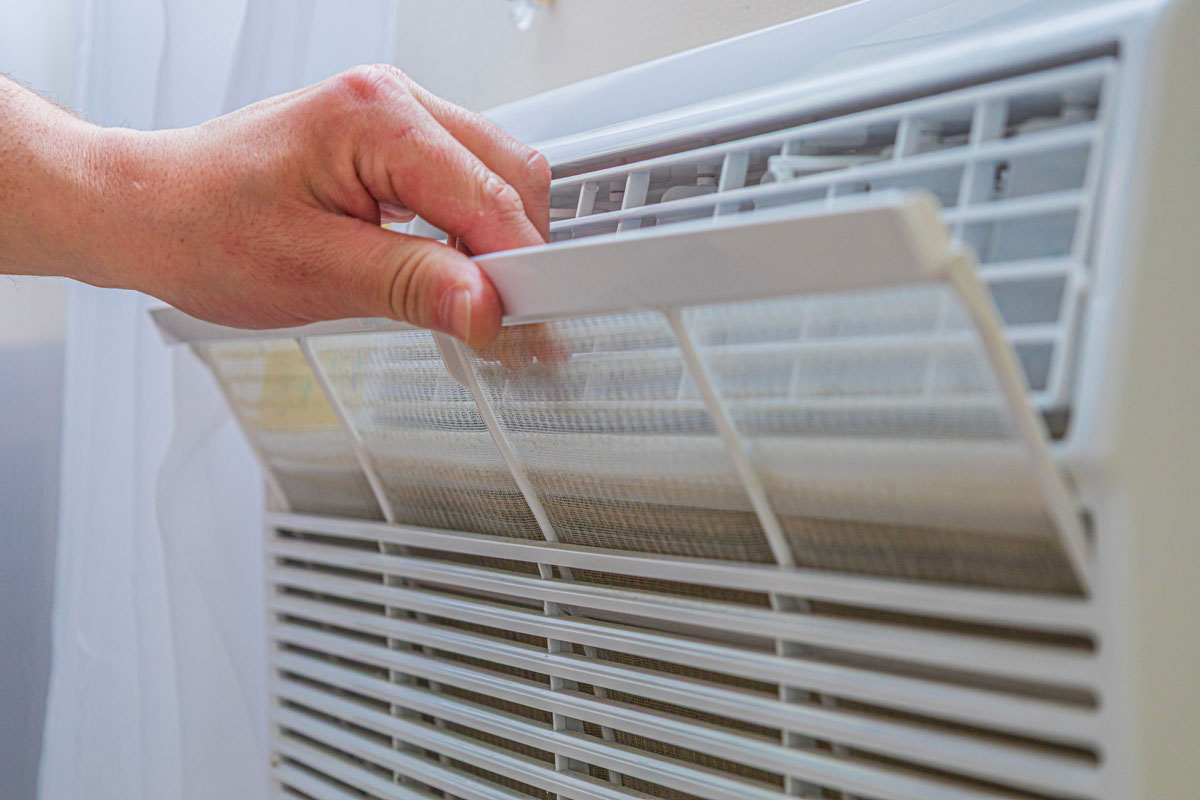
- Replace or clean HVAC filters regularly
- Use bathroom fans and range hoods, and confirm they vent outside
- Close blinds or shades on sun-facing windows during peak afternoon heat
In many regions, cooler nighttime temperatures can also help. Opening windows overnight or using window fans may improve comfort naturally when outdoor conditions allow. During periods of high humidity or extreme heat, however, keeping windows closed and relying on shading is usually more effective.
Small fixes versus larger upgrades
Some issues respond well to simple improvements: sealing air leaks, replacing filters, improving airflow, or using fans and window coverings more strategically. These relatively low-cost changes can noticeably improve comfort, especially when problems are isolated to specific rooms.
But recurring issues—like persistent humidity or the same overheated bedroom every summer—often point to larger underlying problems. A professional home energy assessment can help identify them. These assessments may include blower door testing, thermal imaging, and room-by-room airflow analysis.
Importantly, replacing heating or cooling equipment alone is not always the best solution. Improving the home’s efficiency first often delivers better long-term performance and can prevent oversized replacement systems.
Homeowners may also have access to provincial or utility-based rebate programs for energy upgrades, depending on where they live.
The bigger picture
Summer reveals how a home actually functions.
It shows whether rooms remain comfortable during the hottest part of the day, whether ventilation and airflow are balanced, and whether sunlight improves a space or turns it into a heat trap. In that sense, energy efficiency is not only about lowering utility bills. It’s about creating a home that supports daily life with fewer compromises and less strain on the systems that keep it comfortable.
That perspective matters for first-time buyers learning what to watch for, for homeowners deciding where to invest in upgrades, and for anyone who wants a clearer understanding of how their home performs over time.
The information provided in this blog is for general informational purposes only and is not intended as tax, legal, or financial advice. We are not tax professionals. Readers should consult their own tax advisor or accountant for guidance specific to their circumstances.