
Renovation Choices Built to Last
Homeowners face countless renovation options, but not all upgrades stand the test of time—especially in a country with such varied and often harsh climates. It makes sense to focus on improvements that deliver lasting value. Investing in essentials—like a durable roof, updated electrical systems, or weather-resistant siding—helps prevent costly repairs down the road.
Billions are spent each year on home improvements, and as housing stock ages, maintaining and upgrading homes becomes increasingly important for comfort, efficiency, and long-term value. Choosing projects with proven durability ensures you enjoy your home now while protecting its future worth.
Strengthen the Basics
Start with what’s hardest to change later. Structural elements and core systems should come first. Make sure the foundation, roof, walls, and framing are in good condition—especially important in regions with freeze-thaw cycles. Address water intrusion, leaks, or cracks before moving on to cosmetic updates.
Upgrading plumbing and electrical systems to meet current building codes is also critical. These improvements enhance safety and help avoid expensive retrofits later. Many provinces require updates—such as GFCI outlets, proper grounding, and interconnected smoke and carbon monoxide detectors—during renovations.
Energy-related upgrades at this stage also pay off. Improving insulation or sealing gaps while walls are open can lead to significant long-term savings. Spending on these essentials now reduces maintenance costs and improves reliability for decades.
Boost Efficiency and Comfort
Once the basics are secure, focus on energy efficiency. Sealing air leaks and improving insulation are among the most effective upgrades you can make. Adding or upgrading attic insulation, for example, can dramatically improve temperature control and reduce heating costs.
Proper duct sealing and insulation also reduce energy loss and improve comfort. If your heating system is outdated, upgrading to a high-efficiency furnace, heat pump, or hybrid system can lower utility bills and provide more consistent indoor temperatures.
Windows and doors are another key factor. Replacing drafty windows with ENERGY STAR®-certified models can significantly reduce heat loss. Well-installed exterior doors—especially insulated steel or fiberglass—offer durability, energy efficiency, and security.
Many homeowners may also qualify for federal or provincial incentives, which can help offset the cost of energy-efficient upgrades.
Indoor air quality shouldn’t be overlooked. As homes become more airtight, proper ventilation—such as HRVs (heat recovery ventilators)—becomes essential. Address moisture, mold, and ventilation issues during renovations. Choosing low-VOC paints and formaldehyde-free materials can create a healthier and longer-lasting living environment.
Curb Appeal with Durable Exteriors
Exterior upgrades offer both visual appeal and long-term protection. Replacing a garage door or entry door is often a high-value improvement. Steel entry doors, in particular, provide durability, insulation, and strong resale appeal.
Siding is another important investment. Materials like fibre cement, engineered wood, brick, or stone are long-lasting and require minimal maintenance. Even high-quality vinyl siding can perform well when properly installed. These materials not only enhance appearance but also help protect against moisture, wind, and temperature fluctuations.
Don’t overlook smaller exterior details. Maintaining gutters, updating trim, repainting, and repairing decks or porches can prevent water damage and extend the life of your home—especially in areas with heavy rain or snow.
Timeless Interior Upgrades
Inside the home, prioritize materials and designs that remain attractive over time. Neutral paint colours are a simple, cost-effective way to refresh spaces and appeal to a wide range of tastes.
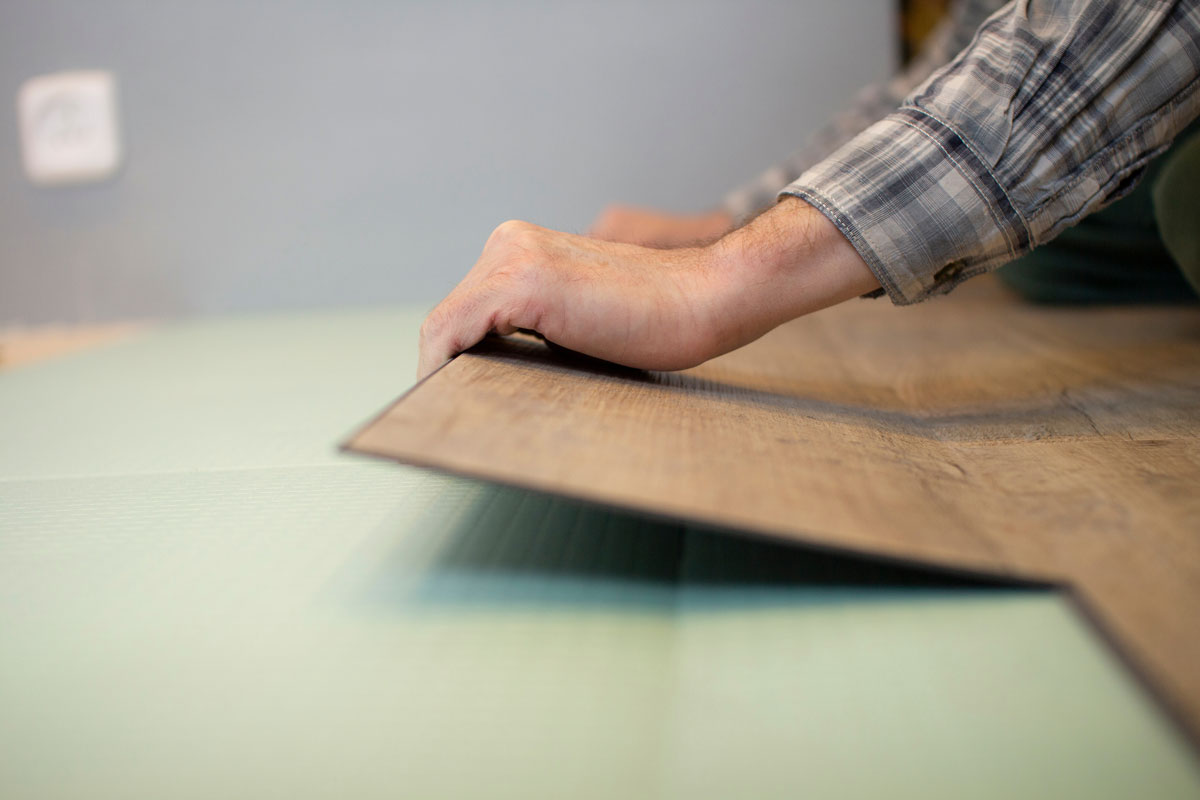
Flooring is another area where durability matters. Hardwood, tile, and high-quality luxury vinyl are all strong options that can handle wear over time. Natural or sustainably produced materials—such as cork or linoleum—are also popular for their durability and environmental benefits.
In kitchens and bathrooms, aim for timeless design rather than short-lived trends. Choose functional layouts and classic finishes like quartz or stone countertops, simple cabinetry, and quality fixtures. While these renovations may not always fully recoup their cost, they significantly improve everyday comfort and usability.
Consistency in design is also important. Maintaining the home’s architectural style and proportions helps create a cohesive, timeless feel. Avoid overly trendy finishes that may quickly look dated—focus instead on clean lines and adaptable design choices.
Plan for the Future
Smart renovations consider not only current needs but future ones as well. Built-in storage—such as closets, cabinetry, and shelving—adds convenience and long-term appeal, especially in homes where space is at a premium.
Accessibility is another important consideration. Features like wider doorways, lever-style handles, curbless showers, and improved lighting can make a home easier to navigate over time. Even small changes can help you stay comfortably in your home as your needs evolve.
Expanding usable space can also add flexibility and value. Finishing a basement, converting an attic, or adding a home office can increase livable space and improve day-to-day life.
A Long-Term Mindset
Every homeowner has different goals, but the most successful renovations share common principles: durability, efficiency, and timeless design. First-time buyers and investors may focus on resale value, while long-term homeowners may prioritize comfort, energy savings, and accessibility.
In all cases, choosing quality materials and thoughtful upgrades, leads to better, longer-lasting outcomes.
The information provided in this blog is for general informational purposes only and is not intended as tax, legal, or financial advice. We are not tax professionals. Readers should consult their own tax advisor or accountant for guidance specific to their circumstances.