
A well-presented home helps buyers focus on what matters: space, natural light, layout, and overall condition. But there’s a fine line between “well looked after” and “overdone.” When a home feels styled for a photo shoot rather than everyday living, it can make visitors uneasy—or lead them to wonder what might be getting glossed over.
That balance is especially important as most buyers start their search online. Many—particularly first-home buyers—arrive with expectations shaped by property websites and renovation shows. If the in-person experience doesn’t match what they’ve seen on screen, it can quickly lead to disappointment.
Why balance matters in home presentation
Staging isn’t about chasing trends or creating a show-home finish. It’s about highlighting a property’s strengths and helping buyers picture themselves living there—not planning a full renovation.
Most agents agree that staging helps buyers connect with a home. But it can work against you if expectations are set too high. When photos feel “better than real life,” or styling feels overly controlled, it creates a disconnect—and that can affect buyer confidence.
The difference between polished and over-polished
A polished home is easy to understand. You can walk through it and quickly see how each space works. It feels tidy, practical, and welcoming.
An over-polished home, on the other hand, can feel staged to the point of being unnatural. Instead of helping buyers understand the space, it tries too hard to direct their attention.
Common signs include:
- Too empty: Rooms stripped back so much they feel cold or impractical—especially noticeable during cooler months
- Too styled: Overuse of matching décor, seasonal props, or heavily themed interiors
- Over-edited images: Filters or digital tweaks that make the home look quite different in person
When buyers notice a gap between what they saw online and what they experience at an open home, trust can drop quickly.
A simple standard: clean, calm, and true
When preparing your home, use this three-part guide:
Clean
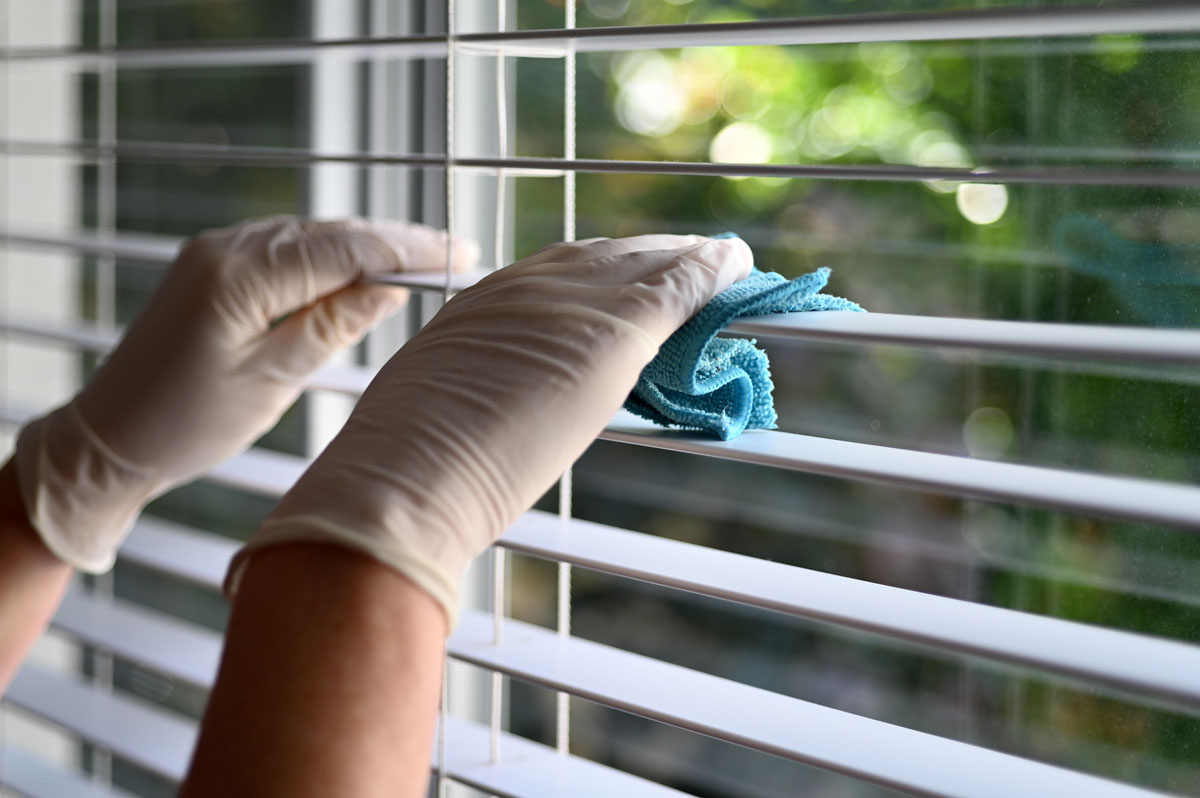
Focus on a thorough clean—windows, floors, kitchen, and bathrooms. Tidy up outdoor areas too, like clearing leaves from entrances and making sure the home feels fresh and well aired. A clean home signals care and makes spaces feel more usable.
Calm
Make each room easy to read. Avoid overcrowding with furniture or bold, clashing décor. Softer touches—like throws or cushions—can add warmth in autumn and winter without overwhelming the space.
True
Present the home as it genuinely is. Adjust lighting and colour in photos if needed, but don’t hide wear and tear or fixed features. Buyers tend to value honesty—especially when they’ve already viewed the property online.
Room-by-room choices that feel natural
You don’t need to perfect every detail. Focus on the spaces buyers care about most: the living area, kitchen, and main bedroom.
Living areas
Arrange furniture to show how the space works day-to-day. Keep walkways clear and add a touch of warmth—like a neutral rug or throw—to suit the season.
Kitchen
Think “ready to use.” Clear most benchtops, clean appliances, and keep the sink empty. Avoid overloading the space with decorative items that take away from storage and functionality.
Bedrooms
Keep them simple and comfortable. Fresh bedding in neutral tones works well. In cooler months, slightly heavier duvets or layered linens can make the space feel more inviting.
Bathrooms
Cleanliness is key. Ensure good ventilation to prevent damp or musty smells, and avoid strong fragrances—buyers prefer a fresh, neutral feel.
Personal items
Remove highly personal belongings, but don’t strip the home completely. A plant, folded throw, or simple decorative piece can help the home feel lived in without being distracting.
Photos, virtual staging, and trust
Since most buyers begin their search online, photos and video set expectations early. The goal isn’t perfection—it’s accuracy.
Basic edits like straightening lines or adjusting brightness are fine, as long as they don’t misrepresent the property. If you use virtual staging, be upfront about it. Clearly note when images have been enhanced, and where possible, include original versions.
Why does this matter? Buyers might not reward honesty outright—but they will notice when something feels off. And in property, trust is one of your most valuable assets.