
Plan with Purpose
In larger homes—whether it’s a suburban build, lakeside property, or open-concept condo—thoughtful planning makes all the difference. Without intention, expansive spaces can feel sparse or disconnected. Start by defining functional zones, such as a cozy conversation area, a dining space for gatherings, or a reading corner for quieter moments. Giving each area a clear purpose helps the whole space feel more grounded and livable.
Use visual cues to divide these zones without closing them off. Area rugs, furniture placement, and pieces like bookcases or consoles can subtly create separation. For instance, placing a sofa with its back to a dining table naturally defines two areas. Anchoring each zone with a key piece—like a sectional, dining table, or large rug—adds structure and makes the space feel intentional.
Scale and Furniture Selection
Large rooms call for furniture that can hold its own. Smaller pieces can feel out of place, so lean toward substantial furnishings—think a generous sectional, deep armchairs, or a solid wood coffee table.
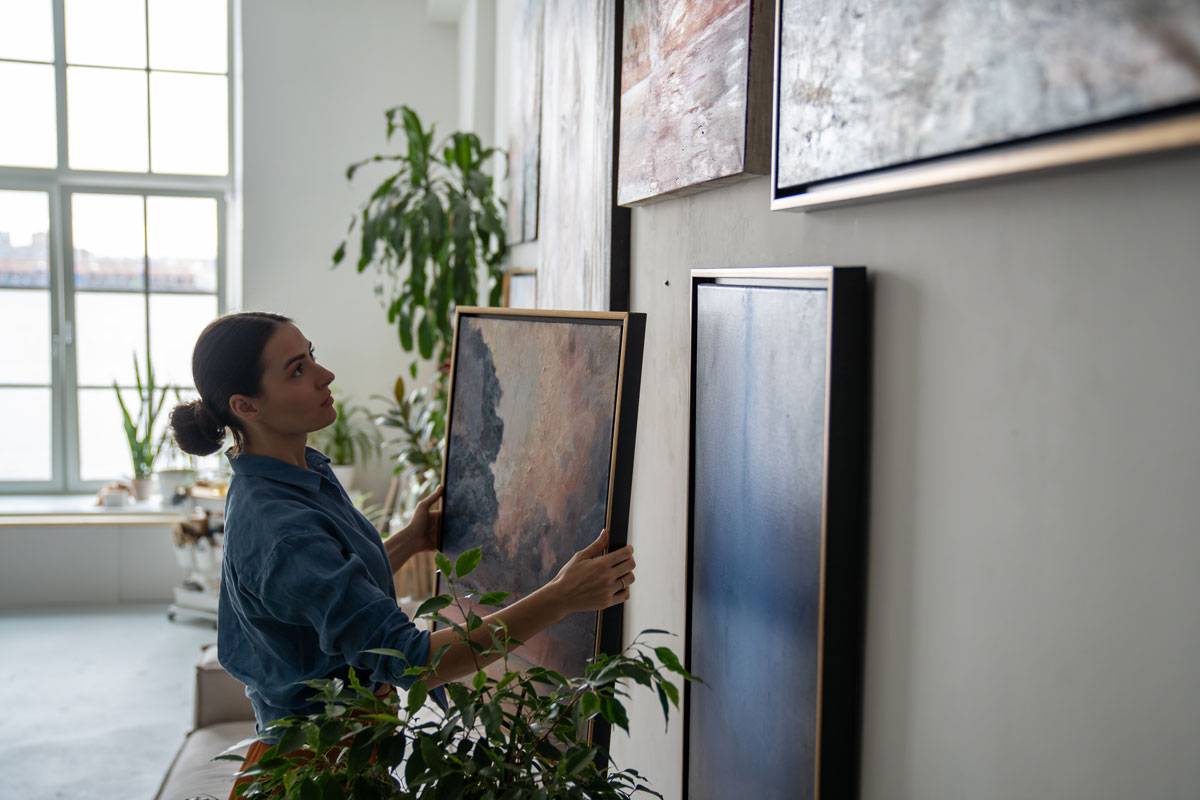
If one item feels undersized, pairing can help. Two ottomans or a set of matching coffee tables can create balance while adding flexibility. Pay attention to proportion: high ceilings—common in newer builds—pair well with taller bookcases or high-backed seating, while large walls benefit from oversized artwork or mirrors. Choosing the right scale ensures the room feels complete rather than underfurnished.
Arrange for Flow and Gathering
A well-arranged space should feel inviting while allowing for easy movement—especially during gatherings with family and friends. Instead of pushing furniture against the walls, bring it inward to create conversation-friendly groupings. Arrange seating to face one another, with a coffee table as a central anchor.
Keep pathways clear—about 60–90 cm (2–3 feet)—so people can move comfortably through the space. Start with a main piece, like a sofa, and build around it. In larger rooms, consider creating multiple seating areas—for example, one near a fireplace and another by a window overlooking the yard or snow-covered landscape. These “zones within a room” make the space feel warmer and more intimate.
Layer Lighting and Ambiance
Lighting is especially important, where shorter winter days mean we rely heavily on artificial light. A single overhead fixture isn’t enough for a large space—it can leave areas feeling dim and uninviting.
Layer your lighting instead. Begin with a statement fixture, like a chandelier or pendant, to set the tone. Then add floor lamps, table lamps, and wall sconces throughout. Each seating area should have its own light source to create comfort and usability.
Dimmers are a great addition, allowing you to adjust brightness for different times of day. Make the most of natural light as well—keep windows clear to let in as much daylight as possible, especially during darker months. A well-lit room feels warmer, more welcoming, and more functional year-round.
Rugs, Textures, and Layers
Layering isn’t just about style—it’s about comfort. Rugs and textiles help make large spaces feel warm and cohesive, especially during colder seasons. A properly sized rug anchors each zone and keeps furniture from feeling like it’s floating. Ideally, rugs should extend under the front legs of main seating pieces.
Layering rugs can add depth if one feels too small. Beyond that, incorporate soft elements like curtains, throw blankets, and cushions. These not only add comfort but also help absorb sound in larger spaces.
Mix textures to create visual interest—combine wood, metal, fabric, and natural elements like greenery or woven materials. This layered approach keeps the room from feeling flat and adds a sense of warmth and livability.
Accessorize with Intention
In larger spaces, accessories should match the scale. Opt for oversized artwork, statement lighting, or large plants to fill walls and corners effectively. Smaller decor pieces work best when grouped—like a set of vases or a curated collection on a shelf.
Repetition can help tie the room together. Carrying a consistent colour palette or pattern across different zones creates a sense of cohesion.
Most importantly, bring in personal touches. Family photos, travel mementos, or meaningful decor add character and make the space feel truly yours. These details help transform a large house into a comfortable home.
Smart Storage and Functionality
Practical storage is key to keeping larger homes organized—especially with seasonal gear like winter clothing, sports equipment, or extra blankets. Built-in shelving or cabinetry can fill empty walls while offering useful storage.
Look for furniture that does double duty, such as storage ottomans, benches, or console tables with drawers. Vertical storage—like tall shelves or stacked baskets—helps make use of higher ceilings while keeping things tidy.
Thoughtful storage solutions keep the space functional without sacrificing style.
Bring It All Together
Cohesion is what makes a large home feel connected. Choose a unifying element—whether it’s a colour palette, material, or overall design style—and carry it through each zone.
That doesn’t mean everything needs to match perfectly, but shared elements help create flow. At the same time, avoid overfilling the space. Leaving some areas open allows the room to breathe and feel intentional.
Ultimately, design around how you live. Focus on comfort, function, and flexibility. A well-planned space will not only look beautiful but also feel inviting through every season.