
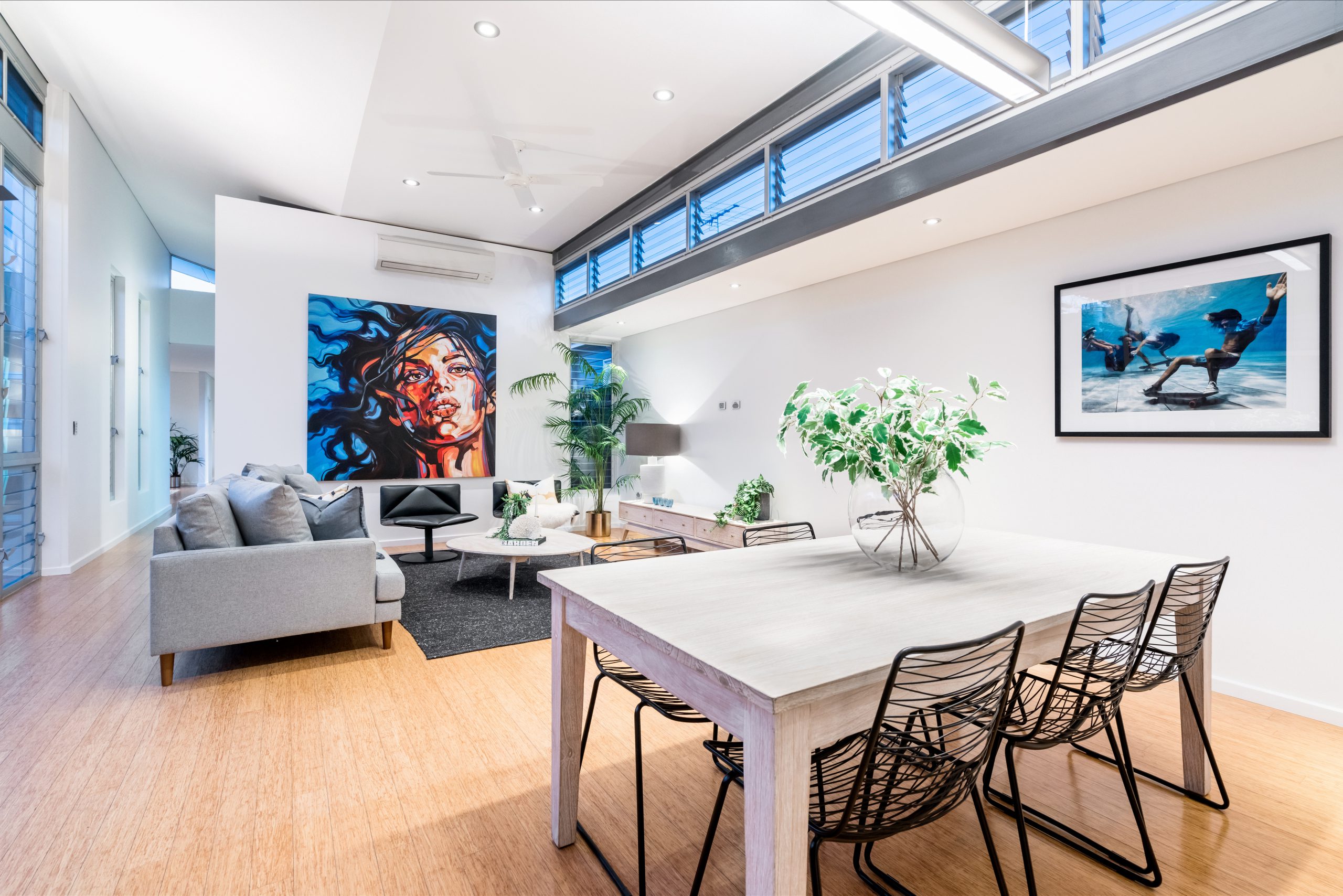
Buying your first home can feel like a test you only get to take once. Online listings make every kitchen look magazine-ready. Renovation shows make “before and after” seem quick and easy. And well-meaning friends might ask whether you’re holding out for your “forever home.”
But a first home doesn’t need to tick every box to be a smart, satisfying choice. In fact, chasing “perfect” can distract you from what matters most: living safely and comfortably, keeping your finances stable, and choosing a place that supports your real life. The goal isn’t perfection — it’s fit.
With the autumn property season underway, many buyers are seeing more listings come onto the market. That can create pressure to move quickly, but it’s also a good time to focus on finding a home that works for you rather than trying to find the flawless one.
Perfect is a moving target
Your “perfect” home today may not be perfect for you later. Jobs change. Families grow or shrink. Health needs shift. Pets arrive. Hobbies evolve. Even the way you use space can change over time.
That’s why many people do better when they stop searching for a flawless house and start looking for a solid starting point. A home can still be a great decision even if it has older finishes, an awkward bathroom layout, or a garden that needs attention — as long as the biggest pieces line up with your daily life and your budget.
Choose what matters most with a simple filter
One way to reduce pressure is to separate what you truly need from what would simply be nice to have. Many property professionals suggest defining your must-haves before you start attending open homes so you can focus on properties that support long-term success.
A simple three-part filter can help:
- Must-haves (non-negotiables): These relate to safety, basic function, or daily life. Examples might include enough bedrooms for your household, a manageable commute, access to public transport, a layout that works for mobility needs, or proximity to schools, childcare, or family support.
- Strong preferences (important but flexible): These features improve comfort but aren’t deal-breakers. Examples might include a larger backyard, an extra bathroom, off-street parking, or a particular architectural style.
- Future projects (fine to improve later): These are features you can change gradually over time. Examples include paint colours, light fixtures, landscaping, cabinet hardware, or cosmetic updates to kitchens and bathrooms.
This filter does two helpful things. It protects you from buying a home that won’t work in real life, and it gives you permission to let smaller details evolve slowly.
Know what you can change and what you can’t
One reason the idea of a “perfect first home” feels stressful is that buyers sometimes treat every flaw as permanent. Many aren’t.
Features that are often easier to change include paint, flooring, lighting, appliances, landscaping, and other cosmetic upgrades. These improvements can usually be phased in as time and budget allow.
Features that are much harder or more expensive to change include the location, section size, overall layout, natural light, and major structural issues. Those are the elements worth paying the most attention to upfront.
A helpful rule of thumb: if fixing something would require major construction, council approvals, or significant disruption, treat it as a bigger consideration. If it’s more like a weekend project or a straightforward trade repair, it’s usually not worth losing sleep over.
Budget for ownership, not just the purchase
Many first-time buyers focus on the deposit and mortgage repayments, then feel surprised by the other costs that come with home ownership. A more realistic monthly picture often includes:
- Mortgage principal and interest
- Council rates
- Home and contents insurance
- Body corporate fees (if buying an apartment or townhouse)
- Utilities, maintenance, and repairs
It’s also important to factor in one-off purchase costs, which can include solicitor or conveyancing fees, building inspections, LIM reports, and moving expenses.
A note on deposits and lending
Some buyers believe they must wait until they have a 20% deposit before purchasing a home. While a larger deposit can reduce borrowing costs and improve approval chances, some lending options allow buyers to purchase with smaller deposits.
If you buy with less than a 20% deposit, your lender may require low-equity lending conditions, which can include higher interest rates or additional restrictions.
Understanding how deposits, lending limits, and borrowing capacity work can help buyers make informed decisions without feeling they must wait for the “perfect” financial situation.
Use the right safeguards before you commit
If you’re open to a home that isn’t perfect, the smart step is to reduce the risk of expensive surprises. That’s where inspections, reports, and contract conditions come in.
Building inspection
A qualified inspector evaluates the property’s physical condition — its structure, systems, and potential issues — so buyers understand what they’re purchasing.
LIM report (Land Information Memorandum)
A LIM report from the local council provides information about the property, such as building consents, drainage, zoning, and potential hazards.
Bank valuation
When you borrow money to buy a home, your lender may order a valuation to estimate the property’s value. This confirms the loan amount is appropriate for the property, but it does not replace a building inspection.
Contract conditions
Sale and purchase agreements often include conditions related to finance approval, inspections, or solicitor review. These protections give buyers time to confirm important details before fully committing.
Depending on the agreement and negotiations, buyers may be able to request repairs or withdraw if significant issues are uncovered.
Make peace with a starter-home mindset
Even if you love your first home, it helps to think of it as a place you can grow into. That mindset reduces pressure and often leads to better decisions.
A practical approach is to plan improvements in stages:
- Stage one: protect the essentials: Address safety concerns, water issues, electrical problems, heating systems, and anything that could become a costly emergency.
- Stage two: improve comfort: Focus on smaller upgrades that make everyday living easier, such as lighting, storage solutions, fresh paint, or minor repairs.
- Stage three: personalise the space: Consider larger renovations only after you’ve lived in the home long enough to understand how you actually use the space.
Making improvements gradually helps homeowners avoid overspending while still shaping a home that reflects their lifestyle.
A good first home is one you can live in with confidence
Your first home doesn’t need to impress everyone. It simply needs to work for your life and your finances.
If the home is safe, the numbers make sense, and the location supports your daily routine, a few imperfections can actually be an advantage. They give you the chance to shape the space over time.
When you stop chasing “perfect,” you make clearer decisions. You focus on what’s difficult to change, budget realistically for ownership, and use safeguards like inspections and contract conditions to reduce surprises.
The information provided in this blog is for general informational purposes only and is not intended as tax, legal, or financial advice. We are not tax professionals. Readers should consult their own tax advisor or accountant for guidance specific to their circumstances.