
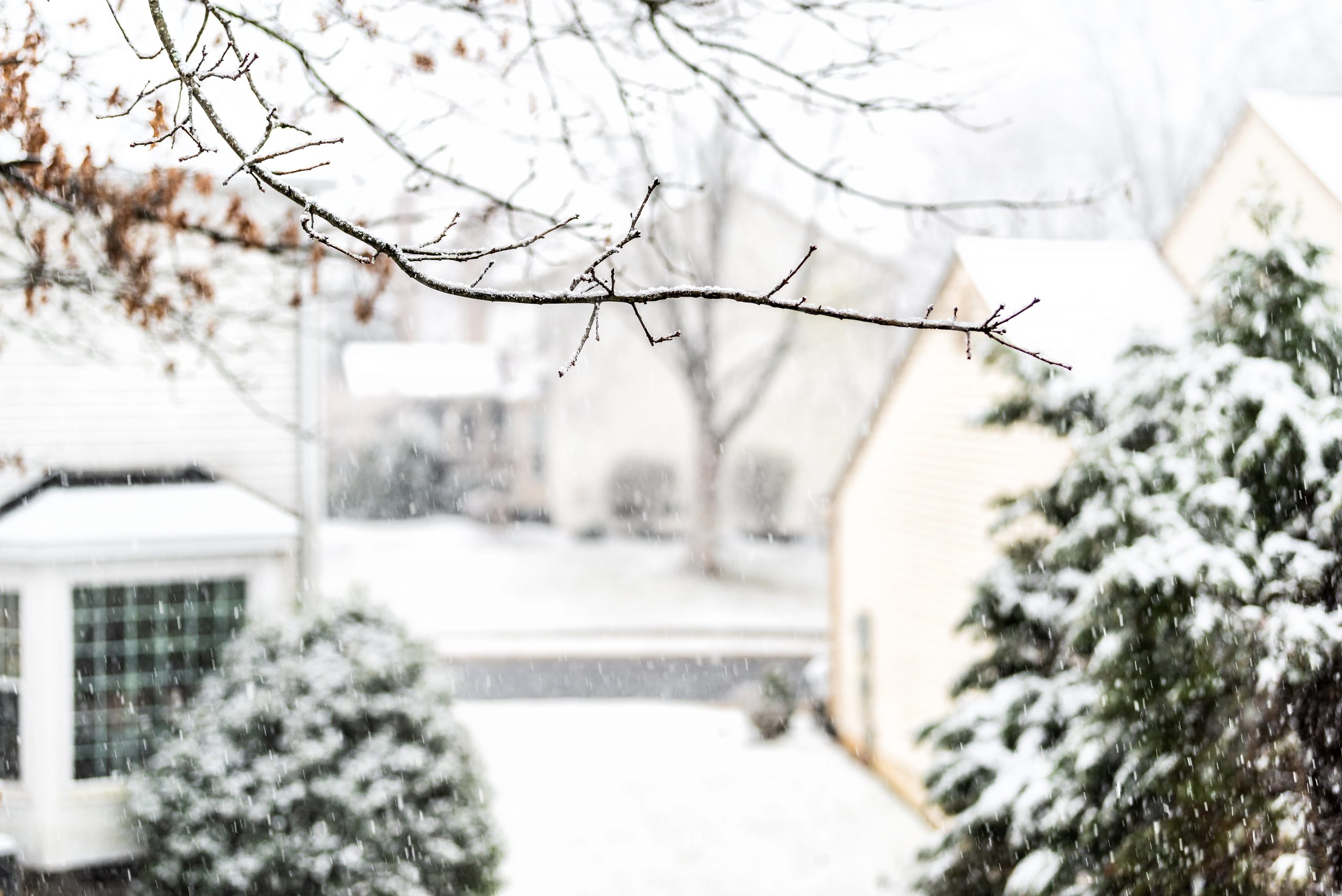
Winter may be the off-season for real estate, but that doesn’t mean great homes disappear. In fact, touring homes in colder months can give you valuable insight you might miss in spring or summer. Snow, ice, and freezing temperatures have a way of revealing how a home really performs.
If you’re house hunting this winter, here’s what to pay close attention to during your tour.
Start at the Top: Roof and Attic Clues
Before you even step inside, look up. Uneven snow melt or large icicles hanging from the roof can point to insulation or ventilation issues. Inside the home, ceiling stains or signs of moisture may suggest past leaks or ice dams. Winter is when roofing problems are hardest to hide.
Watch Where the Water Goes
Snow can conceal a lot, so take note of ice buildup along gutters and eaves. On warmer days, check whether melting snow is draining away from the foundation or pooling nearby. Poor drainage now can mean basement problems once spring thaw hits.
Test the Heat
There’s no better time to judge a heating system than February. Notice whether the home feels consistently warm from room to room. If some spaces are chilly while others overheat, insulation or ductwork may need attention. Don’t be afraid to ask about the age and service history of the furnace.
Feel for Drafts
Cold air is great at exposing drafty windows and doors. As you tour, run your hand along window frames and exterior doors. Drafts, condensation, or frost on the glass can signal poor seals or aging windows—issues that affect comfort and energy costs.
Pay Attention to Plumbing
Turn on faucets and flush toilets during the tour. Weak water flow in winter can sometimes point to pipes that struggle in the cold. Peek under sinks for insulation, especially on exterior walls, and ask if the home has ever had frozen pipe issues.
Notice the Natural Light
Winter days are short, so observe how much daylight the home gets even on a gray afternoon. A house that feels bright in February will feel even better in summer. If it feels dark midday, consider whether lighting or window placement might be an issue.
Think About Winter Comfort
Small details matter in cold weather. Is there a practical entryway for boots and coats? Does the home have a fireplace, and if so, is it functional and maintained? If there’s a garage, make sure it actually fits your vehicles—your windshield will thank you.
Scope Out the Neighborhood
A home doesn’t exist in isolation. Pay attention to road conditions, snow removal, and driveway access. Steep or shaded driveways can stay icy for days. Understanding how the neighborhood handles winter weather can save you daily frustration.