
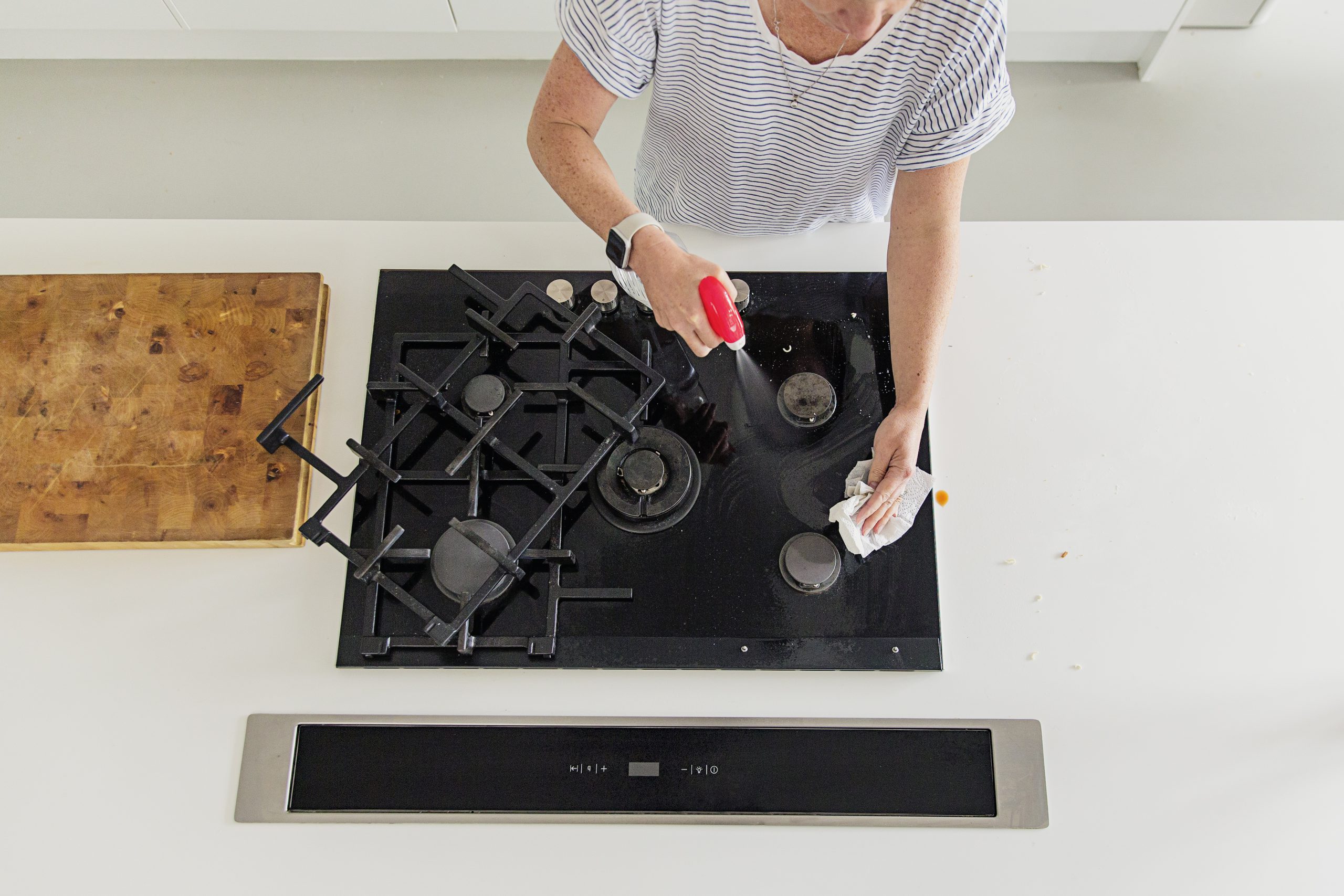
Lemon is often cited as the ultimate cleaner, its sharp acidity cutting through household grease and dirt better than most retail products.
Unfortunately, as many first-time buyers find out once they’ve moved into their new home, the humble lemon can also permanently damage expensive materials.
If you’re looking for a natural cleaning product, lemon is not your only choice – and it’s not always your friend.
You should research white distilled vinegar, castile soap and bicarbonate of soda.
Always check which one will be most suitable for the surface you intend to clean.
Below, I’ve listed eight surfaces that should never see a lemon.
Natural stone countertops – The citric acid in lemon is too harsh and eats away at the calcium in granite and marble. It leaves dull, permanent etch marks. Instead, use pH-neutral stone cleaners or just mild dish soap and warm water. It’s simple and safe!
Stainless steel – A lemon’s acid can lead to pitting, corrosion and streakiness, especially if the surface isn’t rinsed perfectly. A microfibre cloth with warm, soapy water is your best friend here, but you need to act quickly. If lemon is left for more than a short period, you may not be able to reverse the damage.
Aluminum cookware – Again, a lemon’s acid reacts with the metal, causing your pots and pans to discolour and develop small pits. Use mild dish soap and a non-abrasive sponge as an alternative. For tougher spots, a baking soda paste works wonders without the risk.
Hardwood floors – Lemon juice will strip the protective sealant off your floors, leaving the wood vulnerable to warping and staining. Always use a pH-balanced wood floor cleaner applied with a microfiber mop to remove dirt without damaging the finish.
Painted walls – The limonene in a lemon is a solvent that can dull the paint or leave visible, stripped patches. When it comes to cleaning the walls, stick to mild soap and warm water.
Electronic screens – Using a lemon can be a very expensive mistake. The moisture and acid of the juice combine to eat away at the specialised anti-glare and protective coatings on your screen. If it’s left on the surface, there’s no way back. Always use a soft, dry microfibre cloth to clean TV and PC screens, or a product explicitly recommended by the manufacturer.
Brass and copper – These metals look amazing immediately after you’ve used a lemon-based cleaner, but overtime continuous use causes corrosion. Specialised metal cleaners for copper and brass are the best choices. Alternatively, you can use baking soda if applied gently.
Fabrics – Lemon is a bleach, and a very good one. It’s bad news for clothes that are not white. Lemon will lighten fabric unevenly and permanently remove colour. When cleaning cloth furniture, use a gentle fabric stain remover or spot-clean with dish soap and water.