
We’re in the depths of winter right now, and redesigning your garden so it’s ready for spring is possibly the last thing on your mind – but it shouldn’t be.
Creating a wonderful garden that gives you enjoyment and adds substantial value to your home requires planning, hard work and a little patience.
In today’s market, many Australian buyers are seeking homes with gardens that can be their haven from the hustle and bustle of their working lives.
It’s also true that a segment of buyers considers gardening a chore and will back off a property with a high-maintenance yard.
If you’re thinking of selling your home this spring and capitalising on the growing momentum of the market, this is the perfect time to consider remaking your garden so it’s drought-tolerant and hassle-free.
Gardens that minimise water use add to the green credentials of a property, and they’re increasingly well regarded by young buyers and those looking for a family home.
Here are some tips for creating a drought-proof garden that has the all-important wow-factor when you sell:
Plant in groups – Consider putting together plants of similar watering needs. This will reduce the time you spend with the hose and maximise your water efficiency. You’ll also avoid over-watering plants that are not thirsty.
Let’s rock! – The best drought-tolerant gardens use rock, gravel, stone and pavers to define spaces and enhance the visual impact.
Go native – Native plants adapt to the local climate and soil conditions. Among the best are Callistemon (Bottlebrush), Grevillea, Banksia, Kangaroo Paw, Westringia (Native Rosemary), Acacia (Wattles), and some varieties of Lilly Pilly.
Global touch – To add an international flavour, you can try plants that thrive in other dry climates, like South Africa and the Mediterranean. Favourites would include Lavender, Agapanthus, Rosemary, Olives, Thyme, Gazania and Echium.
Tough guys – Succulents are among the hardiest plants and are perfect in a drought-tolerant garden. Consider using Aloe Vera, various Agave species, Crassula, Echeveria and Pigface, which is a native succulent.
Much mulch – Mulch is essential. It will ensure plant roots are protected from the heat and cold while preventing as little water as possible from evaporating.
Perfect recipe – For your mulch, you should use organic materials like sugar cane, lucerne hay, woodchips and pine bark. Layer up to 10cm of organic material over your flowerbeds and at the stems of your plants for the best results.
Soil check – The worst soil is hydrophobic, which repels water. It beads on the surface and runs off. You can fix this by using a wetting agent that’s available at most garden retailers.
Other soil tips – If you have sandy soils, vermiculite will enhance water retention. Gypsum and dolomite will do the same job in heavy clay soils that give few nutrients to your plants.
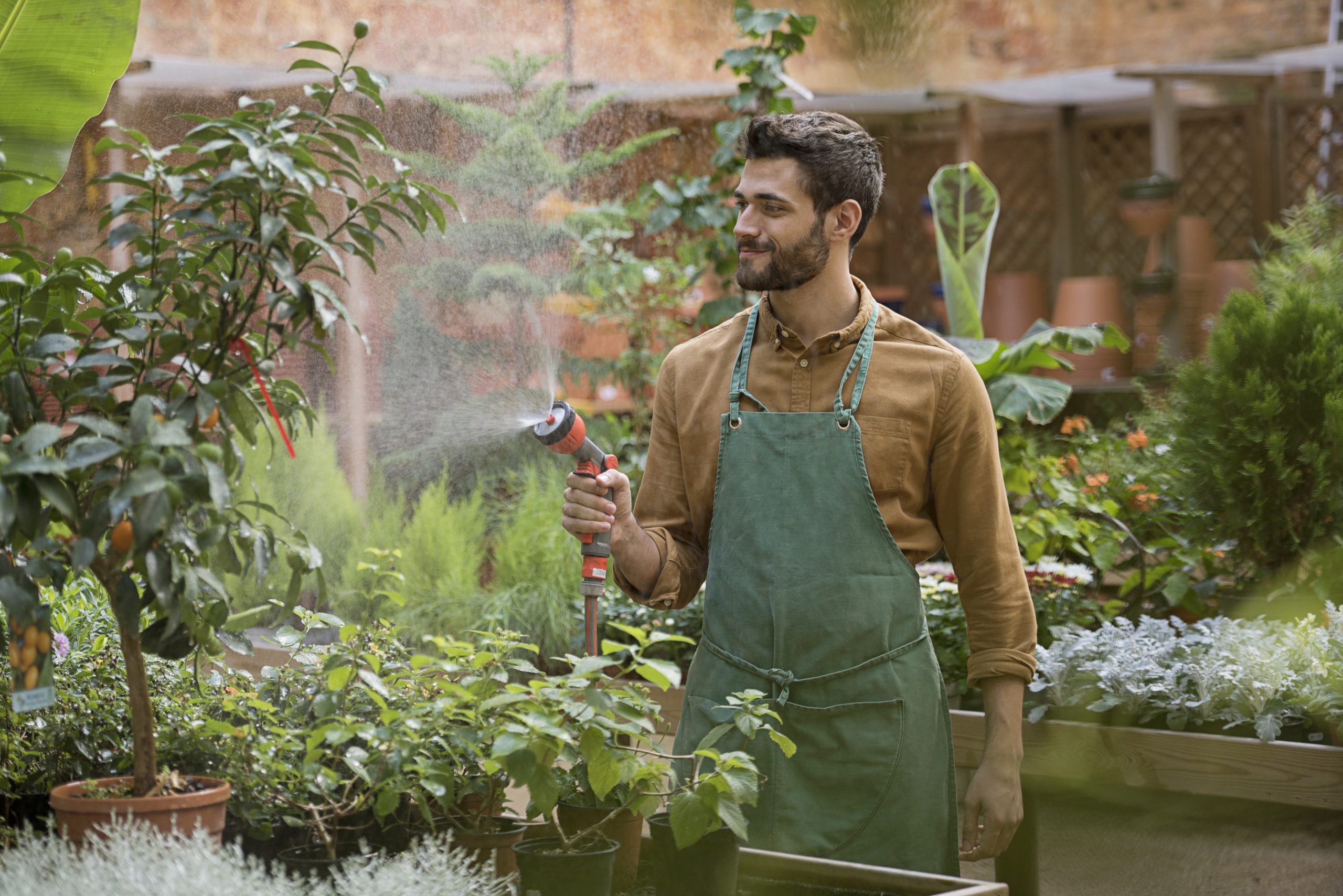
Watering tricks – Use the hose infrequently but soak the plants at their roots to encourage deep root systems. Avoid splashing the leaves, as this will promote disease and fungus. Where possible, use a hose soaker or drip system to achieve your goal to create a low-maintenance garden.