
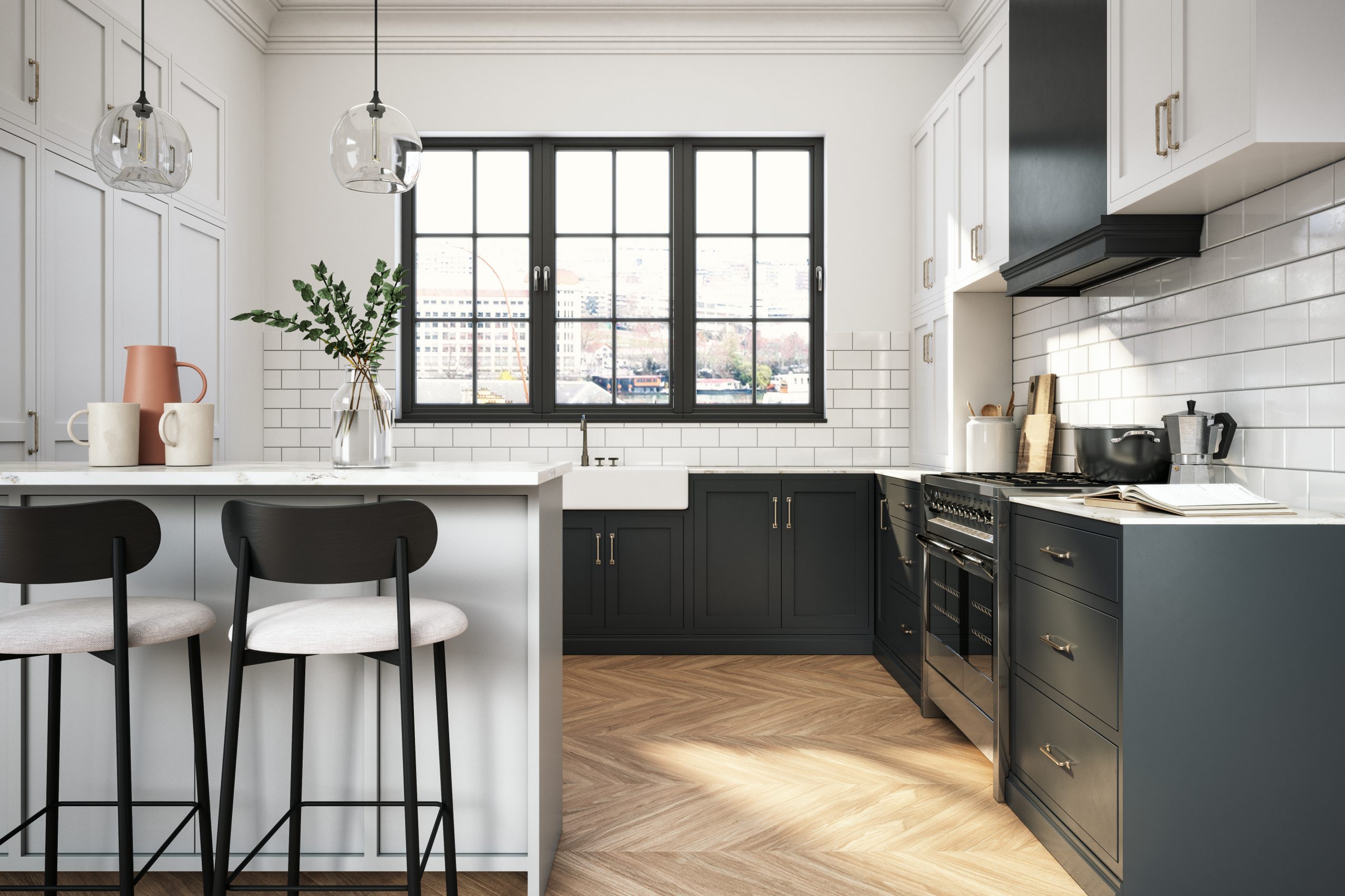
Buyers place a higher premium on a kitchen than they do for any other room, so, it’s no surprise owners are willing to invest in this area to maximize the value of their property ahead of a sale.
Designing a great kitchen requires planning and precision because buyers will quickly notice poor quality upgrades.
But not every kitchen remodel requires a rip-and-replace strategy.
If the structure is sound, then you can save yourself tens of thousands of dollars by replacing the doors and handles of the cabinetry. Other anticipated improvements might include new back-splashes, countertops and if the budget will stretch, new appliances.
In my experience as a real estate agent in our neighborhood, the most successful kitchens have been installed by specialist companies. It’s hard to beat their knowledge of the latest design and storage solutions, as well as workflow design and lighting expertise.
But you still need to be on your game to make sure everything is done just right.
To help you focus on the task, here’s a list of mistakes that I’ve seen with new kitchens that you’ll want to avoid.
- Ignoring ‘the triangle’ – The stove, sink and refrigerator are the three points of your triangle. They represent the three busiest areas of the kitchen. Don’t clump them together because you’ll soon be bumping into other members of the household.
- Appliance placement – Don’t make the most basic mistake of putting your stove next to your refrigerator. It will make your refrigerator work harder to keep cool and increase your energy costs. If space allows, build a three-sided cabinet around your refrigerator so that it will integrate into the overall design. Make sure the door can open fully when placed in this cabinet.
- Oversized table – Kitchen tables are fantastic because they become a focal point of the home. But they must be the appropriate size for space available. Over-sized tables will make the kitchen appear cluttered and crowded.
- Factor in small appliances – Don’t forget to consider where you might place your coffee-maker, toaster and microwave. If you’re a regular user of these, then make sure they’re within easy reach. Cluster the appliances you use at breakfast.
- Socket it to them – There’s little more frustrating than wanting to use an appliance in one area of the kitchen but finding there’s nowhere to plug it in. Plan out the location of your sockets carefully. This is probably best done right at the end of the design process.
- Storage solutions – It’s fashionable these days for the countertops to be free of gadgets. So, you’ll want accessible storage for items such as the coffee maker and toaster.