
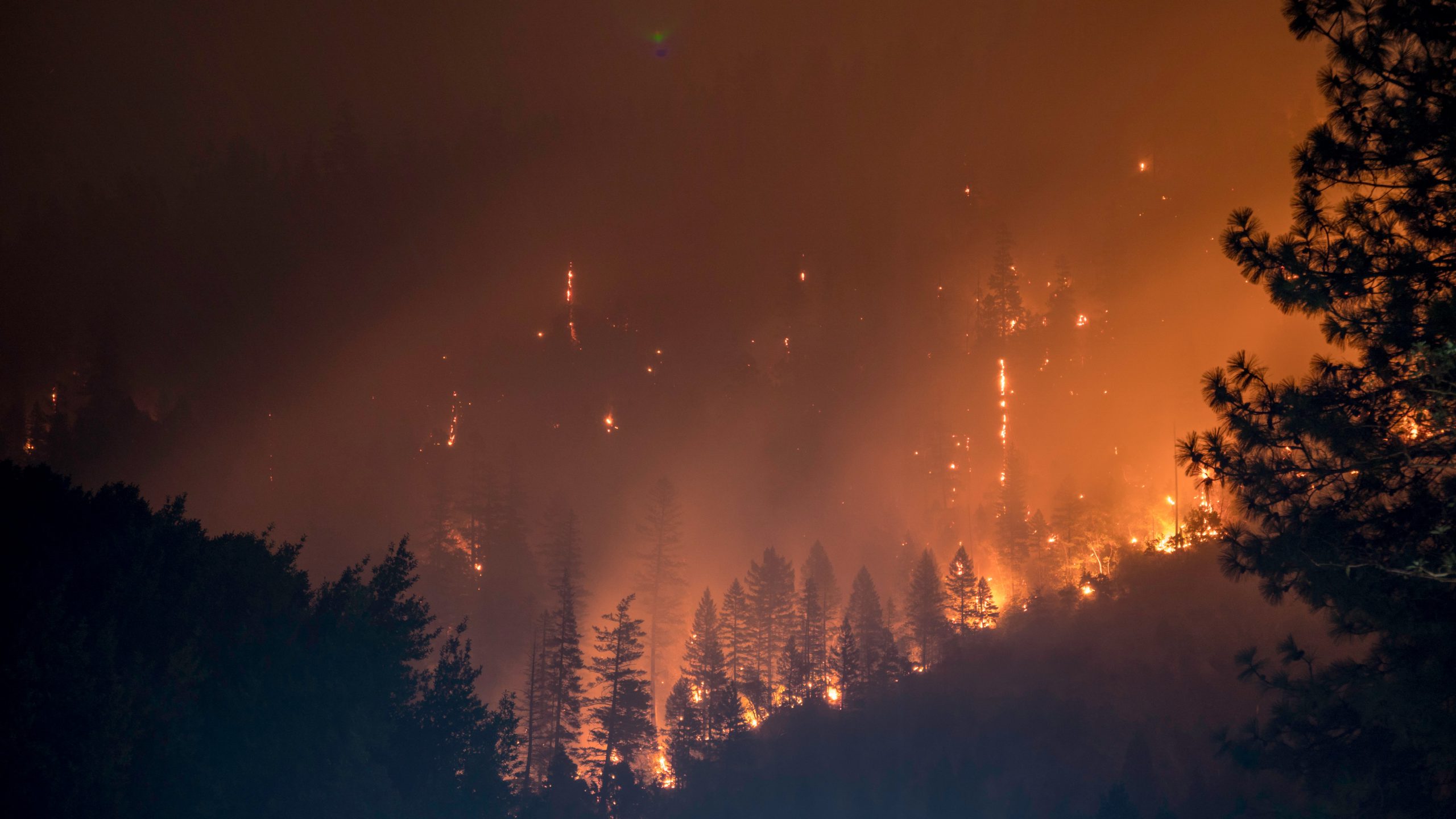
The new extended bushfire season occurring each summer means preparations to secure our homes against ember attack and flames should never be far from our thoughts.
While we all hope we’ll never see another summer like 2019-2020, everyone who lives in a bush setting, whether in the city or rural areas, should take the opportunity to make their homes as safe from fire as possible.
When a bushfire hits, properties are usually under greatest threat from ember attack, which arrives before the main body of the fire. These embers fill the air like fireflies and will catch combustible material on your roof, in your gutters or under your house, where dry leaves often become trapped.
The verandah is another hotspot and should be cleared of furniture, BBQ, gas bottles, doormats and plants long before the flames approach.
Look around your garden to see where else you might be vulnerable.
Assess the plants in your garden to see which are highly flammable and whether they’re close to property. Take note of the natives as these are particularly combustible.
You might want to ask an arborist to pare back or even remove trees that are close to your house or garage. Don’t forget to ring council if you’re thinking of chopping down trees. You’ll likely need their permission.
Our state fire service has posted excellent checklists for you to help fireproof your home. We’ve listed the top tips below and you’ll get excellent professional advice from council.
Here’s a list of top maintenance tips:
- Clean your gutters of leaves and twigs.
- Install metal gutter guards.
- Repair damaged or missing tiles on the roof.
- Install fine metal mesh screens on windows and doors.
- Fit seals around doors and windows to eliminate gaps.
- Repair or cover gaps in external walls.
- Attach a fire sprinkler system to gutters.
- Keep lawns short and gardens well maintained.
- Cut back trees and shrubs overhanging buildings.
- Clean up fallen leaves, twigs and debris around the property.
- Have hoses long enough to reach around your house.
- If you have a pool, tank or dam, put a Static Water Supply (SWS) sign on your property entrance, so firefighters know where they can get water.